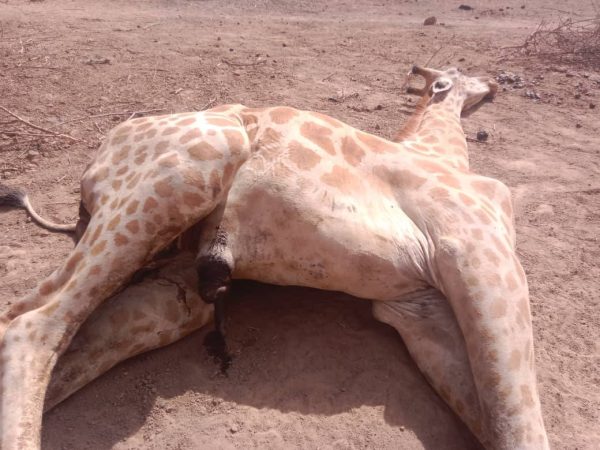
The first giraffe ever born in Niger’s Gadabedji Biosphere Reserve, named Abagana, has died at the age of just a few weeks. The young calf succumbed to a severe illness on 16 May 2026, a tragic loss that highlights the urgent need for improved veterinary care in the region’s wildlife reserves.
Abagana was no ordinary giraffe. His birth in Gadabedji marked a milestone in the country’s wildlife conservation efforts and signaled hope for a thriving ecotourism sector. His presence had already drawn visitors and wildlife enthusiasts, making him a symbol of the reserve’s potential to become a must-see destination.
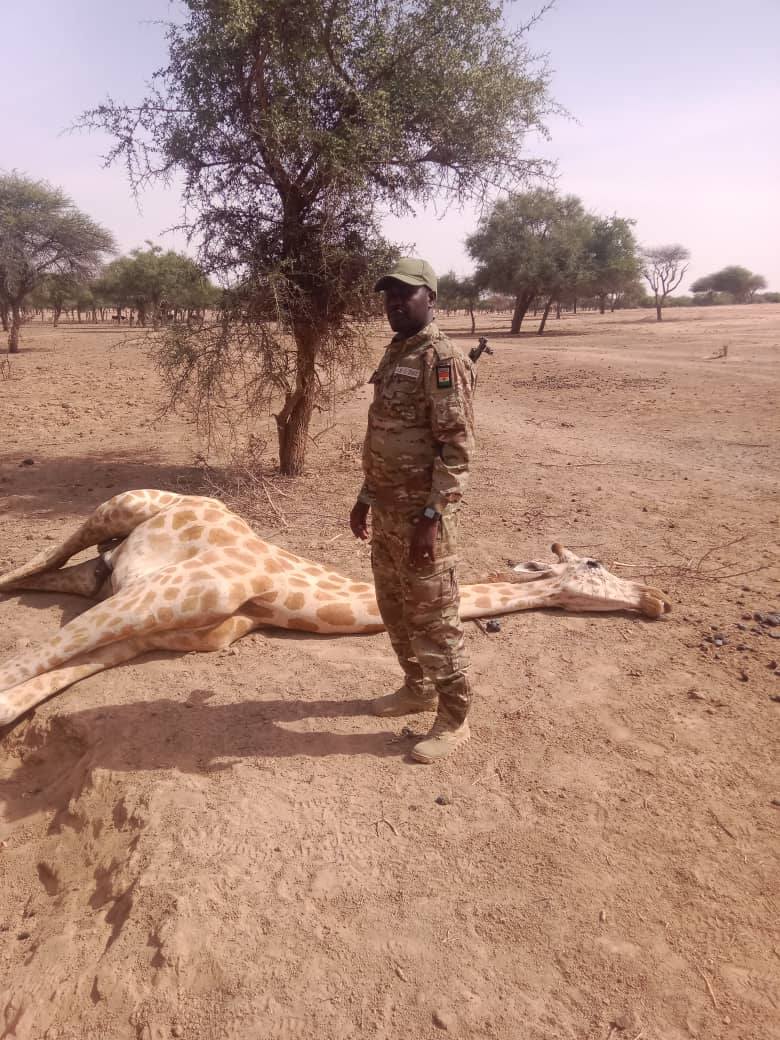
a painful farewell in the savanna
The final days of Abagana’s life were agonizing. The young giraffe suffered from a prolapse condition, a severe veterinary emergency that left him unable to urinate and exposed to severe pain. Despite the desperate efforts of wildlife rangers, the lack of specialized medical support sealed his fate.
This heartbreaking loss follows another recent tragedy in the same reserve. A female giraffe died during a difficult birth, also deprived of the veterinary assistance needed to save her. These consecutive losses have left conservation teams devastated and questioning the future of Gadabedji’s wildlife.
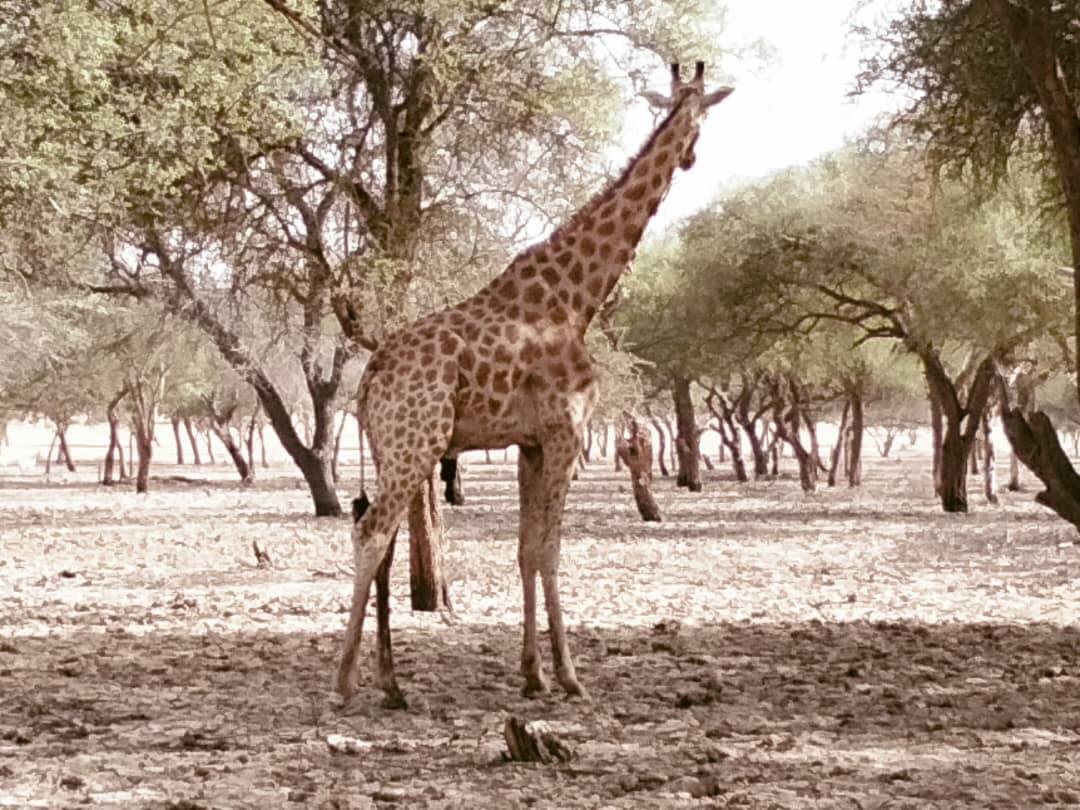
call for urgent veterinary training in west africa’s Sahel
The deaths of Abagana and the female giraffe are more than just ecological setbacks—they represent a growing crisis for Niger’s tourism sector. Each giraffe in the reserve is a priceless asset, drawing visitors from across the globe and boosting the local economy. Losing these animals not only weakens biodiversity but also dims the country’s reputation as a top wildlife destination.
Frustration is now boiling over among conservationists and rangers, who are calling for immediate action. The lack of trained veterinary staff capable of handling wildlife emergencies has become a glaring weakness in the region’s conservation strategy. Without rapid intervention, the future of Gadabedji and its iconic species remains uncertain.
« We watch helplessly as our animals perish one after another, » laments a longtime wildlife expert familiar with the situation. « The state must act now to train rangers in emergency veterinary care and wildlife anesthesia—before it’s too late. »
The plea is clear: unless the government invests in specialized training and resources, Niger risks losing its most precious natural treasures, one tragic loss at a time.