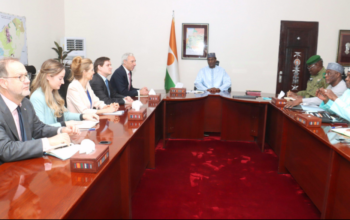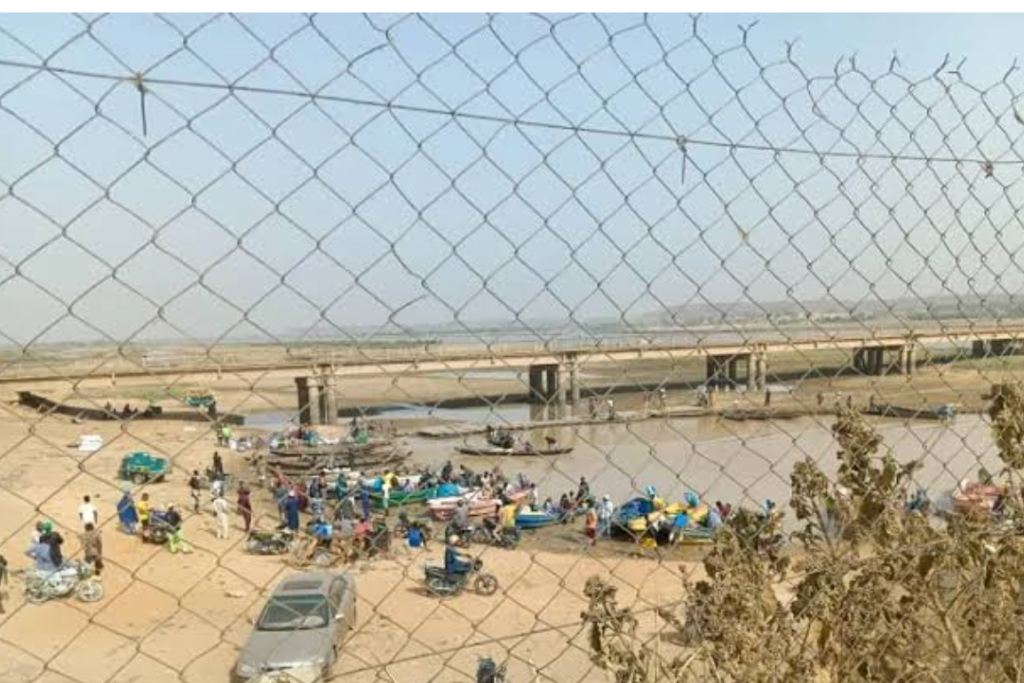
An evaluation by the International Monetary Fund (IMF) has exposed a stark financial setback for Niger: the closure of its borders has drained public revenues by a staggering 117 billion West African CFA francs. This staggering figure underscores the broader economic crisis gripping West Africa, where political turmoil has disrupted long-standing trade networks that once connected coastal ports to landlocked Sahelian markets. The collapse of customs and tax revenues—vital lifelines for regional governments—has left public coffers in dire straits, crippling the ability to fund essential services like education, healthcare, and critical infrastructure projects.
Economic fallout: borders sealed, finances in freefall
The IMF’s assessment reveals a harsh truth: the blockade on trade routes has not only isolated Niger politically but has also triggered a catastrophic decline in national income. By severing the arteries of commerce that once pulsed with goods and capital, the military-led authorities in the region have inadvertently sabotaged the very framework supporting their own economic sovereignty. The ripple effects are immediate and severe—dwindling state revenues mean fewer resources for public welfare, leaving communities to grapple with the consequences of a leadership that prioritizes geopolitical posturing over fiscal responsibility.
Everyday struggles: soaring prices and shattered livelihoods
The human cost of these economic decisions is laid bare in local markets, where the price of basic necessities has skyrocketed. Essential goods such as rice, cooking oil, sugar, and construction materials have become scarce, driving up costs beyond the reach of ordinary citizens. The disruption of cross-border trade has not only created artificial shortages but has also inflated transport expenses, pushing small traders and informal businesses to the brink of collapse. This economic squeeze disproportionately affects the most vulnerable, eroding the fragile stability of households that once relied on the free flow of goods across borders. The strategy of isolation, far from delivering resilience, has instead intensified the hardship faced by millions.
The illusion of security: a smokescreen for economic mismanagement
In the face of these mounting economic woes, officials in the Alliance of Sahel States (AES) continue to deflect blame, attributing the crisis to external security threats or logistical shortfalls. The repeated closure of key bridges and trade routes is framed as a defensive measure, yet the reality is far less noble. This narrative serves as a convenient distraction from the glaring failures of economic governance and the inability of transitional leaders to stabilize public finances. By portraying border closures as acts of patriotic defiance, the military regimes obscure their own mismanagement, stifling private investment and fostering an environment of uncertainty that repels foreign and domestic capital alike. The promise of prosperity through isolation has proven hollow, leaving Sahelian nations trapped in a cycle of economic decline.
A path forward: pragmatism over political posturing
The IMF’s figures leave no room for ambiguity: a 117 billion FCFA deficit cannot be resolved with fiery rhetoric or accusations hurled at international partners. The laws of economics demand pragmatism—free movement of goods and people is the lifeblood of Sahelian growth. The relentless pursuit of ideological isolation has weakened the region at its most critical juncture. To avert further social and economic collapse, urgent action is required: reopening trade corridors, engaging in constructive dialogue with regional economic bodies, and dismantling the barriers strangling commerce. The survival of Sahelian communities depends on leaders abandoning political grandstanding in favor of tangible, sustainable solutions.