
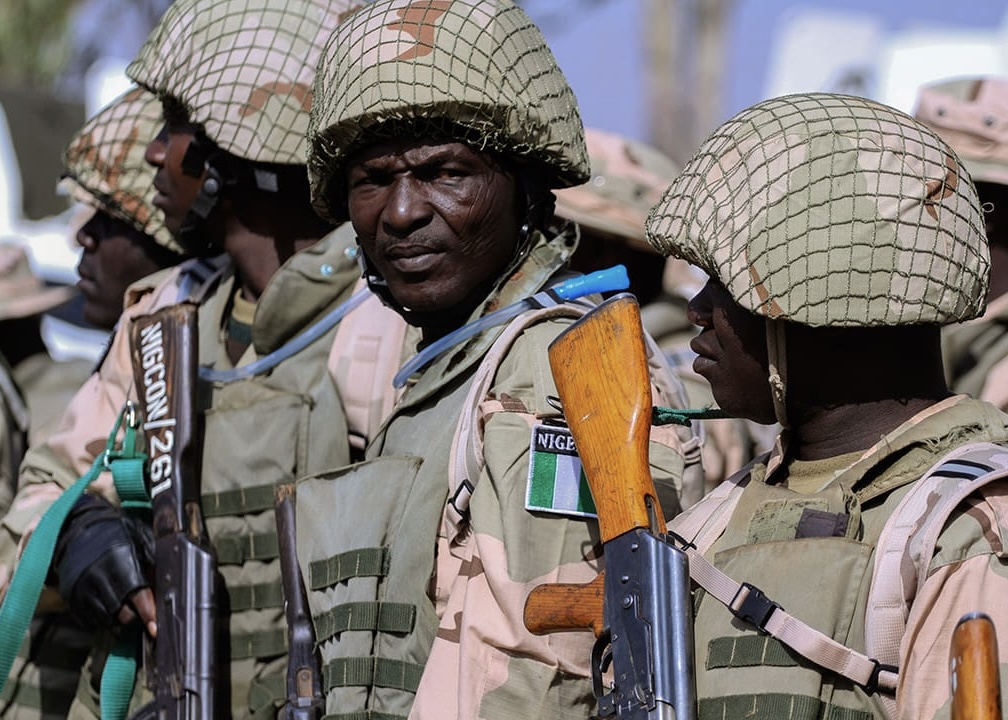
Nigeria: Boko Haram releases over 400 kidnapped women and children in Borno state
The jihadist group Boko Haram freed more than 400 people abducted earlier this year from a village in Borno state, northeastern Nigeria, a senator and a local youth leader confirmed on Sunday.

Since 2009, a jihadist insurgency led by Boko Haram and later by its rival, the Islamic State West Africa Province (ISWAP), has killed tens of thousands and displaced millions in the northeast of Africa’s most populous nation. Mass kidnappings, often followed by ransom-driven releases, are a common tactic used by Islamist fighters. Samaila Kaigama, president of the Borno South Youth Alliance (BOSYA), said he secured the release of 416 women and children captured in Ngoshe. “They were freed on Saturday,” he told journalists. Senator Mohammed Ali Ndume of Borno state also confirmed the release.
Authorities deny paying ransoms
Ngoshe village lies less than 10 kilometers from the Cameroonian border, in the Gwoza hills—a stronghold of Boko Haram—and has faced repeated attacks from Islamist combatants. No details on the terms of the release were immediately available. Senator Ndume said he was unaware of the circumstances. BOSYA, which had established communication channels between the kidnappers and the affected families, also declined to provide specifics.
Officials deny paying ransoms, though analysts say both the government and victims’ families commonly do so. Between July 2024 and June 2025, around $1.66 million in ransoms were paid to various armed groups in Nigeria—including jihadists, “bandits”, and separatists—according to a report by SBM Intelligence, a Lagos-based consultancy.
You may also like
Bénin et Émirats arabes unis renforcent leur coopération militaire et sécuritaire
At the un, Togo’s 2 million dollar African map gamble sparks outrage at home
In Cameroon questions arise over whether billions have vanished from the safes of the Special Criminal Court
At the Ouaga 2000 arena, Benin’s Amazones etch their names in handball history
Niger’s state narrative masks internal fractures after Niamey mutiny