The Nigerien government has finalized its decision to terminate the uranium mining concession held by French firm Orano Mining, replacing it with a newly established national company. This move follows ongoing disputes over unpaid fees and environmental obligations, as well as a series of legal challenges initiated by Orano against Niamey.
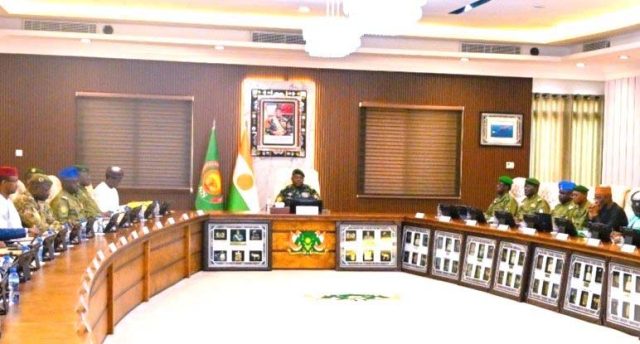
In a decisive cabinet meeting chaired by President Abdourahamane Tiani, officials approved the creation of TSUMCO SA—Teloua Safeguarding Uranium Mining Company—a state-owned entity tasked with overseeing uranium extraction in the country. This new corporation will absorb the assets of SOMAIR (Société des Mines de l’Aïr), which was nationalized last year. The decision effectively ends Orano Mining’s 75-year concession for the Arlit uranium deposit, originally granted in 1978.
The name Teloua, derived from an underground aquifer in the Arlit mining region, symbolizes both a commitment to sustainable water management and a response to environmental concerns. Authorities highlight severe ecological damage to soil, water reserves, and Saharan ecosystems near the mining sites, framing TSUMCO SA as a necessary step toward accountability.
The legal standoff with Orano Mining
Under Nigerien mining law, companies operating within the country must pay a surface royalty of 25 million CFA francs per km² annually for unexploited concession areas. Orano Mining allegedly failed to comply with this requirement, prompting a formal notice in September 2025. The government argues that this non-payment provided legal grounds to annul the mining agreement, while also accusing Orano of outstanding fiscal and environmental obligations from previous contracts.
The French company has responded by filing multiple lawsuits against the Nigerien state, including actions described by Niger’s Minister of Mines, Ousmane Abarchi, as attempts to “obstruct the export of Nigerien uranium to international markets.” This latest development deepens the rift between Niamey and Paris, particularly amid broader tensions over security, economic sovereignty, and strategic partnerships in the Sahel.