As the Islamic festival of Tabaski approaches, the capital of Chad, N’Djamena, is buzzing with activity. Markets and streets across the city are teeming with life as hundreds of faithful prepare for one of the most significant religious celebrations.
Market frenzy and bustling trade
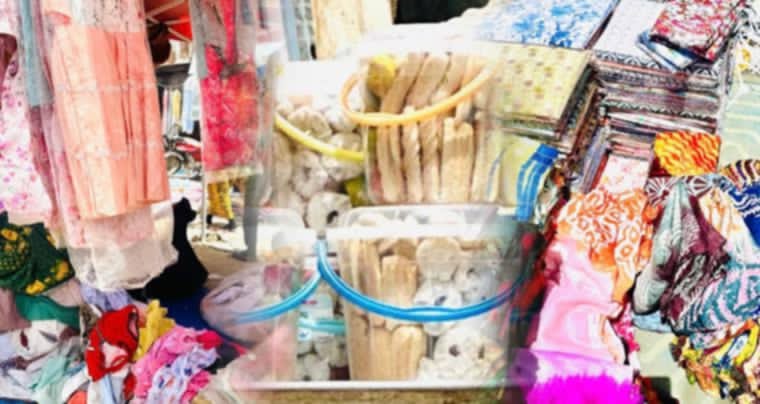
From dawn to dusk, vendors, livestock traders and shoppers converge in a lively atmosphere. Men and women navigate through crowded stalls, searching for sheep, clothing, spices, kitchenware and other essentials to mark the occasion. The livestock market is particularly vibrant, with sellers showcasing sheep of all sizes and prices.
Despite this year’s noticeable price increases, many families are determined to uphold the tradition of the Tabaski sacrifice. The back-and-forth haggling between buyers and sellers adds to the market’s dynamic energy, drawing in onlookers and adding a layer of excitement to the scene.
Traffic chaos and price hikes
The surge in activity has led to severe traffic congestion on major roads, with motorcycles, cars and carts clogging the streets. Meanwhile, the demand for festive goods has driven up prices for basic food items. Local authorities have urged residents to exercise caution on the roads and adhere to traffic rules to prevent accidents and maintain order.
A season of commerce and community
For local traders, the days leading up to Tabaski represent one of the busiest and most profitable periods of the year. Tailors work tirelessly to deliver new garments, while henna artists and perfume vendors welcome a steady stream of customers. Beyond its religious significance, Tabaski is a time for solidarity, family reunions and shared joy, as evidenced by the festive decorations and preparations already visible in neighborhoods across N’Djamena.