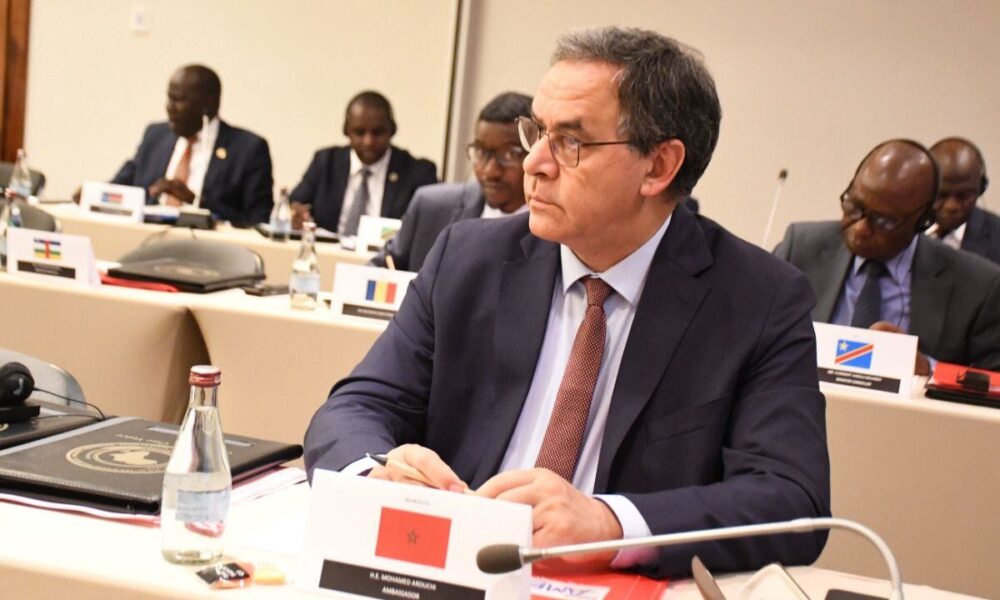
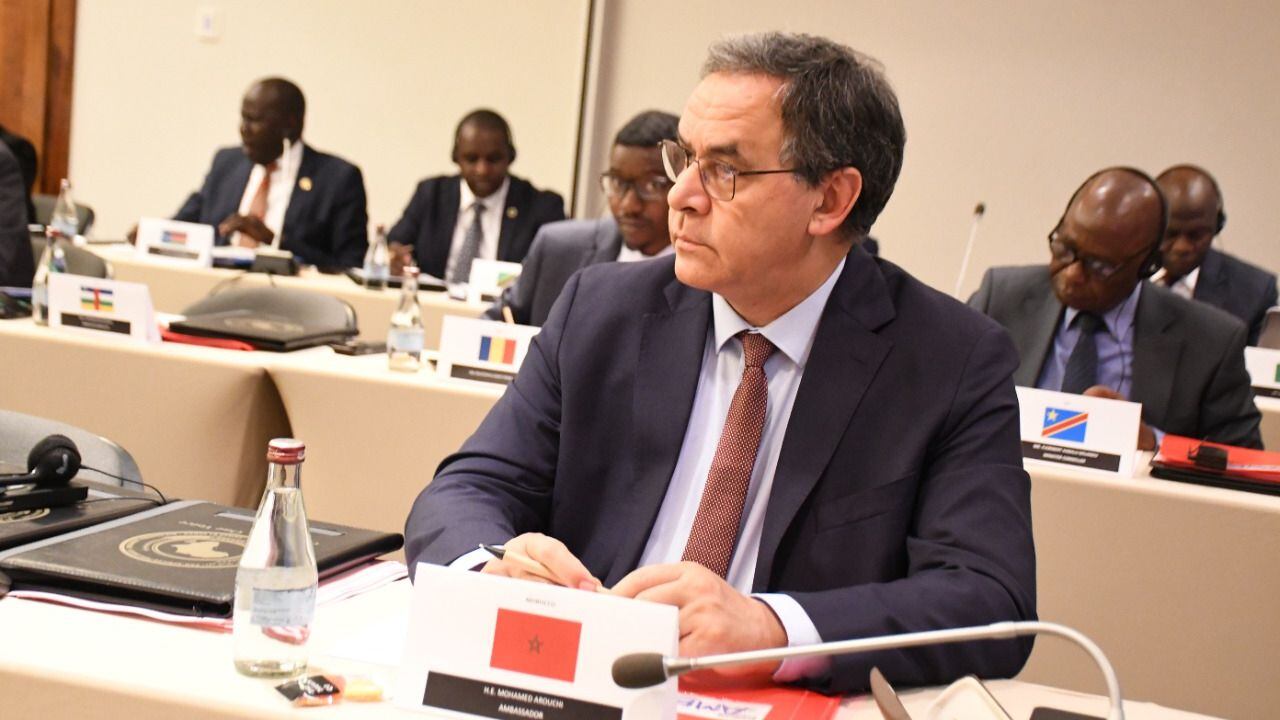
Morocco was elected unanimously on Friday as a commissioner of the African Commission on Nuclear Energy (AFCONE) for a three-year term.
The vote took place during the 7th Conference of States Parties to the Treaty on a Nuclear-Weapon-Free Zone in Africa, held at the African Union headquarters in Addis Ababa.
This fresh election to the prestigious commission underscores the trust placed in the kingdom, in line with the royal vision on critical matters of peace, security, and development.
That confidence reflects Morocco’s pioneering role as a regional hub in Africa for the peaceful use of nuclear technology to address socio-economic challenges, particularly in health and agriculture, as well as water stress and food security.
The role of an AFCONE commissioner — as part of the African Union body overseeing the implementation of the Pelindaba Treaty for a nuclear-weapon-free Africa — is highly strategic, technical, and diplomatic.
Morocco’s delegation to the hybrid-format conference is led by Ambassador Mohamed Arrouchi, the kingdom’s Permanent Representative to the African Union and the UN Economic Commission for Africa, and includes representatives from the National Centre for Nuclear Energy, Sciences and Techniques (CNESTEN) and the Moroccan Agency for Nuclear and Radiological Safety and Security (AMSSNuR).
You may also like
Can Benin turn a €500 million loan into lasting social change?
Burkina Faso: what does Ibrahim Traoré’s four-year record truly mean for the displaced and the silenced?
Will Benin’s UCESIF gambit in Bucharest pay off for francophone social dialogue?
Niger’s sovereignty paradox: can the junta’s UN rhetoric survive the SOMAÏR and SONIDEP collapse?
South Africa’s mass shooting crisis: can Johannesburg and Cape Town ever feel safe again?