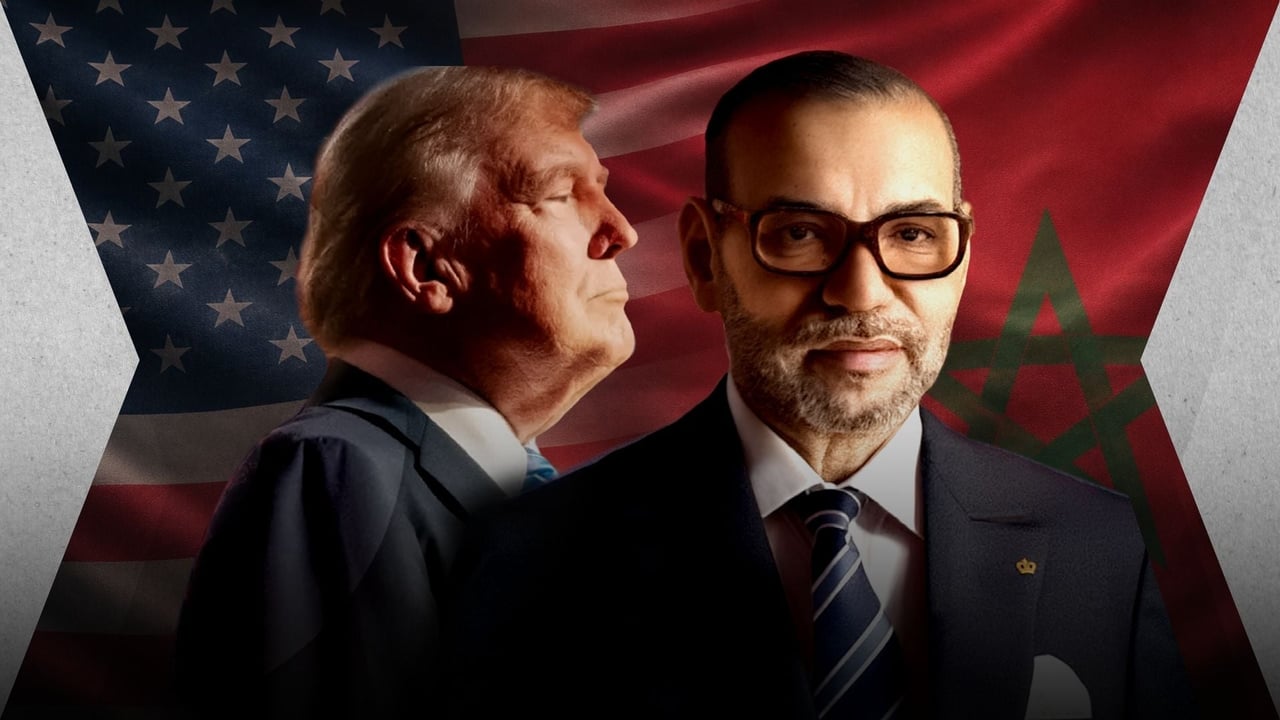
In a milestone that underscores enduring diplomatic ties, Morocco and the United States are celebrating a historic alliance that has spanned two and a half centuries. This partnership, rooted in shared strategic interests, continues to shape economic and geopolitical dynamics in the region.
The relationship between Rabat and Washington transcends mere diplomatic formalities, evolving into a robust framework of cooperation. From trade exchanges to security collaborations, both nations have leveraged this long-standing bond to advance their national agendas while fostering regional stability.
key pillars of the Morocco-us alliance
- Economic collaboration: Bilateral trade has flourished, with both countries capitalizing on complementary economic strengths. Morocco serves as a gateway to Africa, while the U.S. provides cutting-edge technology and investment opportunities.
- Security and defense: Joint military exercises and intelligence-sharing initiatives reinforce regional security, particularly in combating transnational threats.
- Cultural and educational exchanges: Programs fostering academic and cultural ties have strengthened mutual understanding, creating a foundation for long-term cooperation.
impact on regional stability
The alliance has played a pivotal role in promoting peace and development across North Africa and beyond. By aligning their policies, Morocco and the U.S. have contributed to economic growth, job creation, and infrastructure development in the region.
As both nations look ahead, the partnership remains a cornerstone of their foreign policy strategies, ensuring continued collaboration in an ever-changing global landscape.