Bamako’s gamble on Moscow’s military support to reclaim territory is facing growing scrutiny. Following Wagner’s shortcomings, its successor, the Africa Corps, is now overhauling its approach amid mounting setbacks. Reports of escalating civilian abuse further complicate the alliance’s already fragile reputation.
Russia’s Africa Corps shifts focus as battlefield losses mount
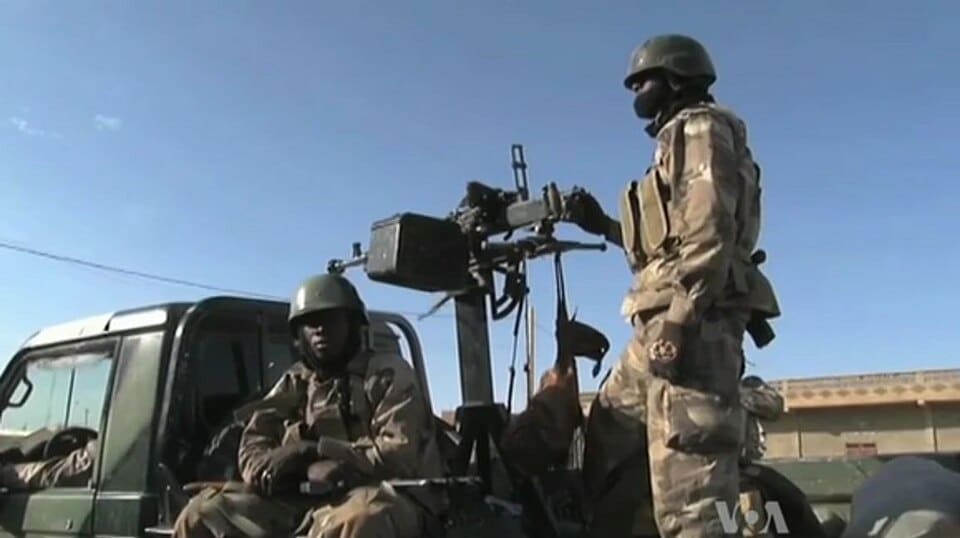
One year after formally replacing the Wagner Group in Mali, the Africa Corps—an entity directly under Russia’s Defense Ministry—has been forced to adjust its tactics. Analysts note a clear pivot: Russian fighters are increasingly prioritizing the defense of Bamako, critical infrastructure, and the ruling junta over large-scale offensives in rebel-held regions. This strategic realignment suggests Moscow’s growing recognition of the limitations of its Malian deployment.
Recent months have seen a string of tactical reversals. Jihadist factions aligned with the Group to Support Islam and Muslims (GSIM) and the National Movement for the Liberation of Azawad (MNLA) have intensified coordinated attacks, most notably forcing the withdrawal of Russian-Malian forces from Kidal earlier this year. The spring 2026 offensive demonstrated the inability of the alliance to secure key northern strongholds, despite Bamako’s heavy investment in Russian military expertise.
Mali’s decision to pivot from Western partners to Moscow was rooted in a promise of rapid territorial control. Yet the financial burden of this shift remains staggering for a nation with limited resources. While exact contract figures remain undisclosed, investigations suggest Moscow’s security services cost Mali tens of millions annually, alongside concessions in mining and other economic sectors—terms often overlooked amid the crisis.
Civilian abuses rise as military failures persist
As combat effectiveness declines, allegations of brutality against civilians have surged. On June 24, 2026, local sources reported a harrowing incident near Timbuktu: Malian soldiers, reportedly working alongside Africa Corps operatives, executed civilians before arranging one victim’s dismembered body in a Nazi swastika formation. A separate drone strike during the same operation allegedly killed two civilians on motorcycles. The Malian military has yet to address these claims.
Earlier in June, local testimonies described a joint operation in the Timbuktu region that resulted in at least a dozen civilian deaths, including reports of summary executions and looting of local markets—with no prior clashes involving armed groups. Such incidents add to a growing body of evidence from human rights organizations and international investigations, which have repeatedly accused Wagner and now the Africa Corps of prioritizing terror tactics over sustainable counterinsurgency strategies.
Yet these aggressive methods have not translated into military success. Armed groups continue to launch coordinated assaults on multiple cities, disrupt supply lines, and force Russian-Malian forces into reactive redeployments. The retreat from northern positions serves as an implicit admission of the alliance’s struggles. By refocusing on Bamako’s protection and aerial support rather than sustained presence in contested zones, the Africa Corps acknowledges that its initial strategy failed to stabilize Mali.
For Bamako, which severed ties with Western partners in favor of Moscow’s embrace, this shift raises a critical question: after years of collaboration and massive financial outlay, why has security failed to materialize? The Africa Corps’ tactical adjustments reflect not a strengthening of Moscow’s hand, but an attempt to mitigate the fallout from a campaign whose results have fallen far short of promises made at the dawn of Wagner’s arrival—and now its successor’s tenure.