- Daily Focus
- Politics
Mali under threat during Eid celebrations
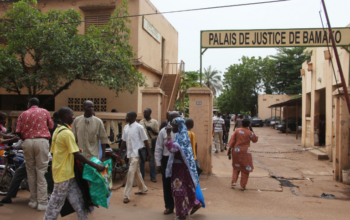
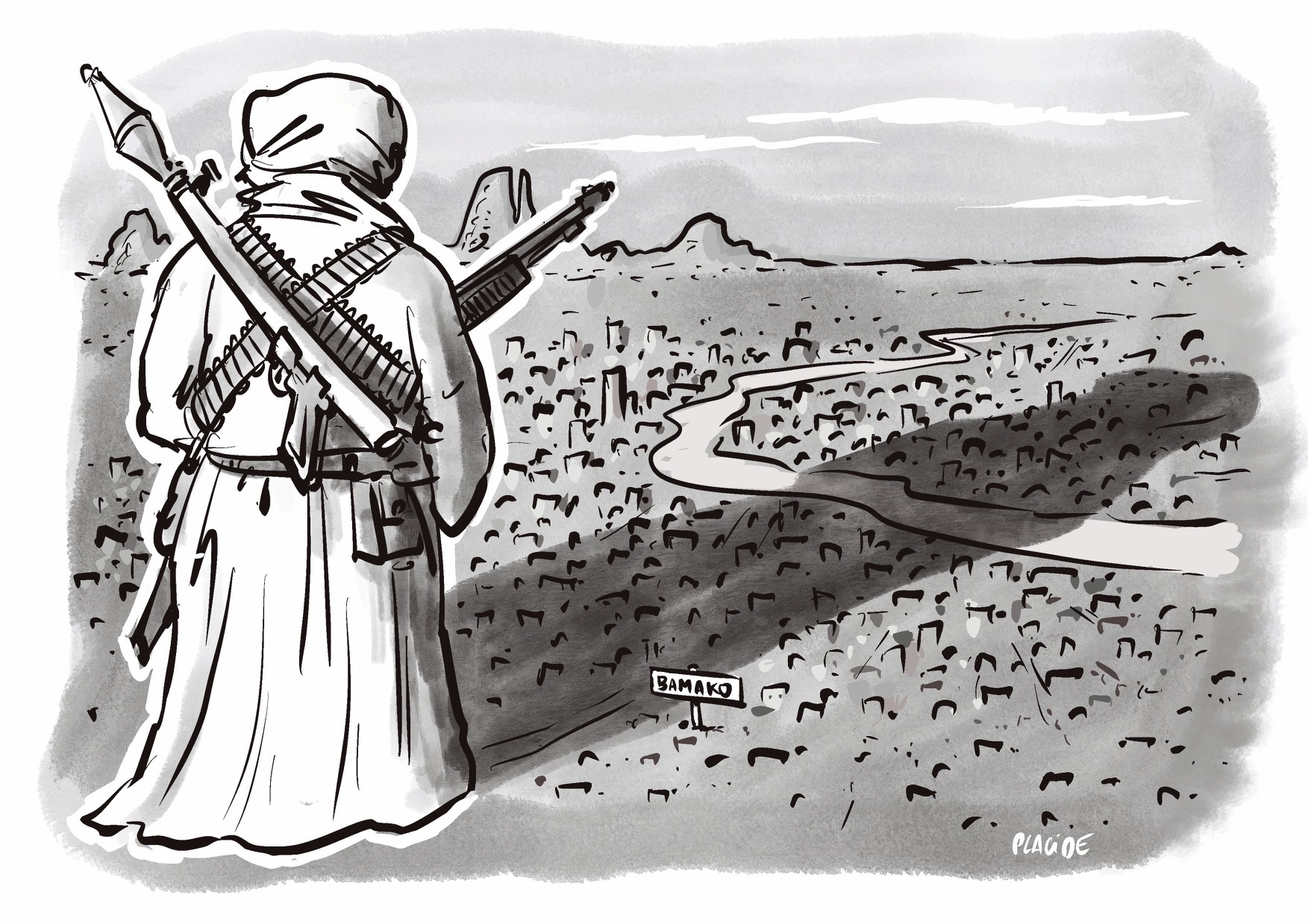
Eid celebrations in Mali unfolded under unprecedented tension this week. The festive atmosphere was overshadowed by a stark warning from the Group for the Support of Islam and Muslims (GSIM), which vowed to launch a decisive offensive on Bamako with the stated goal of toppling the military-led government. This threat followed the devastating April 25 attack that shook the regime to its core and claimed the life of Defense Minister Sadio Camara.
Djihadist groups have long favored religious holidays as opportune moments for military operations, believing such timing enhances their perceived divine favor. This year, however, the stakes were higher than ever. Across Mali, from urban centers to rural hinterlands, security threats cast a long shadow over traditional Eid customs.
Rising tensions and economic strain
Across the country, the celebration of Eid al-Adha (known locally as Tabaski) took an unusual turn. In many regions, the usual exchange of livestock and festive preparations were severely disrupted. In rural areas, armed groups imposed heavy taxes on livestock, seizing herds under the guise of religious or revolutionary levies. In Bamako, the GSIM ordered a city-wide boycott, mirroring similar measures imposed in parts of Burkina Faso and other Mali regions under jihadist control. While security forces managed to keep major roads operational, the psychological impact on residents was palpable.
The economic ripple effects were immediate. In Niamey, where markets are typically bustling with cattle ahead of Eid, prices soared to record highs. The capital of Niger has faced relentless attacks in its western regions—traditionally cattle-rearing zones—by both the GSIM and the Islamic State in the Sahel. The recent surge in violence has further strained local economies, as supply chains and trade routes remain under constant threat.
Escalation of violence in the Sahel
In recent days, the GSIM and Islamic State affiliates have intensified their operations, targeting both military installations and civilian areas. These attacks have exploited a critical vulnerability: the redeployment of Niger’s military forces to the northern front in preparation for operations aimed at retaking Kidal. The resulting security vacuum has emboldened armed groups, leading to increased casualties and widespread disruption.