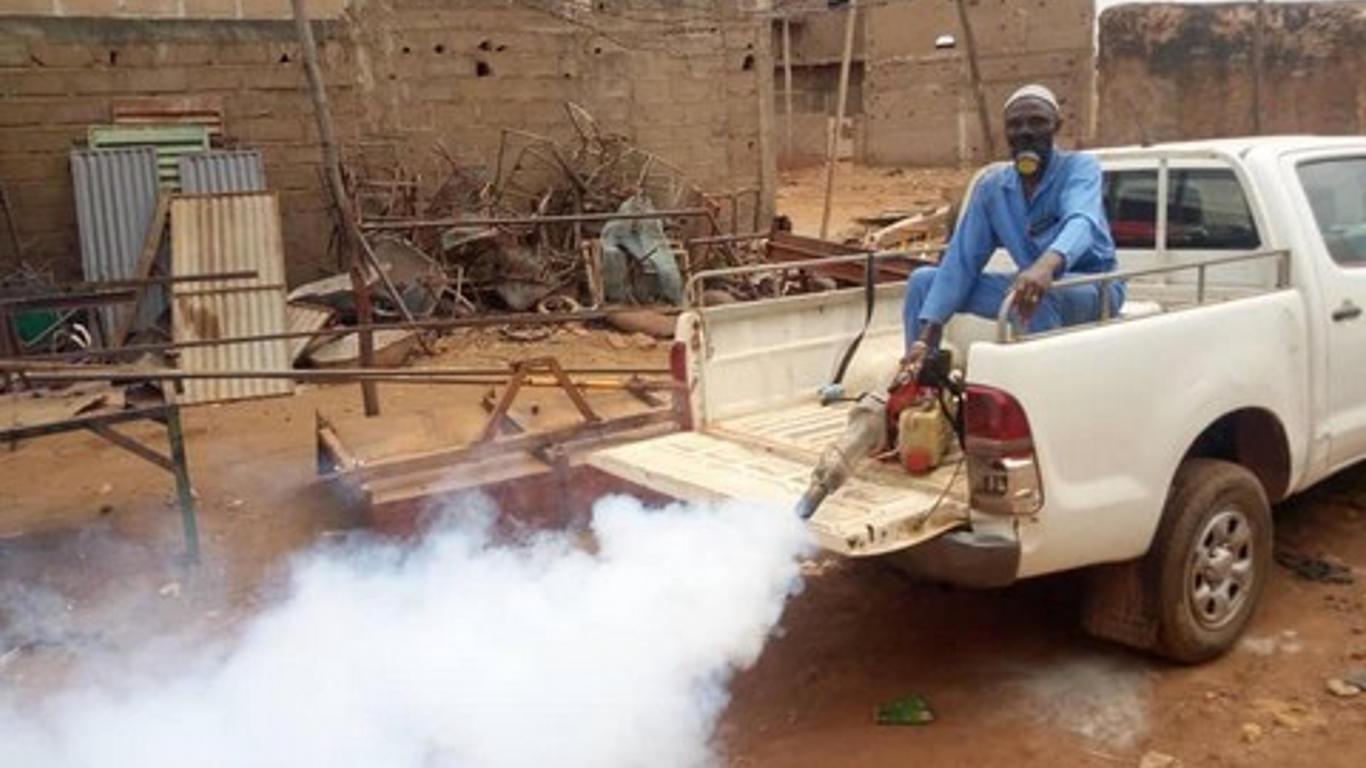
In addition to the renewed security challenges in the north, Mali is now confronting a significant health crisis: an outbreak of dengue fever.
Medical services across the nation are on high alert following the detection of this mosquito-borne viral infection. Dengue is a particularly debilitating disease that is frequently misidentified as malaria in many parts of Africa due to the overlap in clinical symptoms. Despite this, the virus has been officially confirmed in the country, with 12 cases identified in various neighborhoods of Bamako, as well as in the Kalaban Coro and Koulikoro districts.
“The majority of the confirmed cases involve adult men,” explained Kalif Keita, the Deputy Director General of Health and Public Hygiene.
Is dengue a recurring problem in Mali?
The presence of this virus in Mali is not unprecedented. The first recorded instance of dengue in the country occurred in 2008, with subsequent outbreaks documented in 2017 and 2019. Earlier this year, after reports of the disease surfaced in Burkina Faso, the Malian authorities intensified their epidemiological surveillance.
However, accurate data on dengue outbreaks in Mali and other African nations remains limited. This statistical gap is often due to the lack of specialized diagnostic equipment and the difficulty of distinguishing the disease from malaria without laboratory testing. Given the current situation, it is vital for residents and travelers to remain vigilant and strictly adhere to preventive measures against mosquito bites, especially when entering or leaving the country.