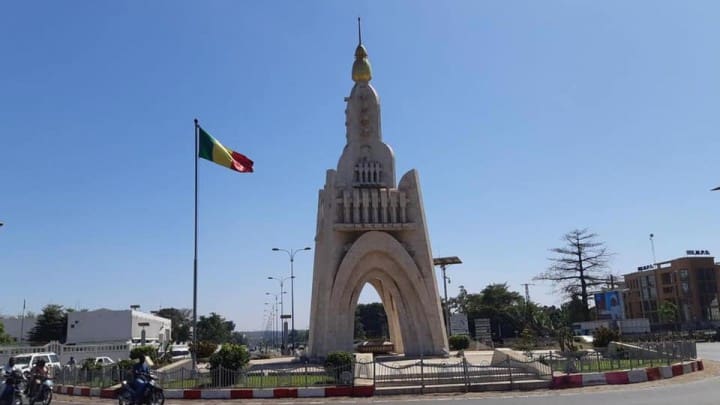
The security landscape in Mali is shifting rapidly as a wave of instability moves closer to the heart of the nation. Recent escalations have seen vital transport infrastructure targeted, significantly increasing the pressure on the capital city. On Saturday, May 16, 2026, unidentified armed groups, suspected to be linked to jihadist movements, set fire to several commercial buses on the outskirts of Bamako. This bold act of sabotage has heightened an already palpable sense of dread in a city that has been grappling with a strategic blockade imposed by JNIM since late April.
This ongoing siege is doing more than just rattling nerves; it is systematically strangling the city’s supply lines. As essential goods become harder to transport, the economic burden on the population grows heavier. The strategy appears to be one of gradual suffocation, targeting the areas held by the Mali transitional authorities. On the ground, the combination of indirect skirmishes and precision strikes is leaving the civilian population in an increasingly precarious position, making this a pivotal moment for West Africa Sahel stability.
A religious plea for national reconciliation
Amidst this volatile atmosphere, a significant religious figure has stepped forward to advocate for a cessation of hostilities. Ahamada Ould Hamala, a close associate of the Chérif of Nioro du Sahel—one of the most revered spiritual leaders in the country—has issued a public manifesto for peace. Utilizing social media to bypass traditional barriers, his message was directed at every major player in the Mali conflict, including the military transitional government, jihadist factions, and the separatist movements of the Front de Libération de l’Azawad (FLA).
Speaking in the Bambara language to ensure his words resonated with the local populace, Ahamada Ould Hamala urged all sides to find common ground. “Do everything in your power to join hands. We must avoid the fragmentation of our nation,” he pleaded. He highlighted the immense suffering felt in various regions of Mali, emphasizing that the path to survival lies in urgent national reconciliation rather than continued bloodshed.
Complex dynamics and the role of international actors
The current situation is further complicated by a tangled web of military alliances and shifting frontlines. The Mali armed forces, bolstered by the presence of Africa Corps units, are fighting a multi-front war against both radical insurgents and independence-seeking groups. This fragmentation makes any attempt at stabilization exceptionally difficult to manage.
As Sahel politics today become increasingly defined by these overlapping conflicts, the necessity for mediation has never been more apparent. Whether through formal channels or informal religious interventions, the search for a diplomatic exit is becoming a matter of survival. With Bamako remaining a primary target, the Mali Niger Burkina news English landscape continues to watch closely as the country stands at a crossroads between total collapse and a difficult peace.
The persistence of these attacks, paired with the growing chorus for dialogue, underscores the deep fractures within the state. As the blockade continues to test the resilience of the capital, the question remains whether these calls for unity will be heard before the crisis reaches a point of no return.