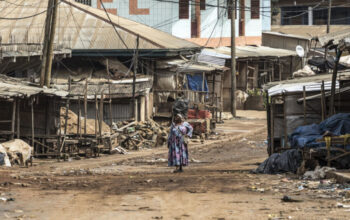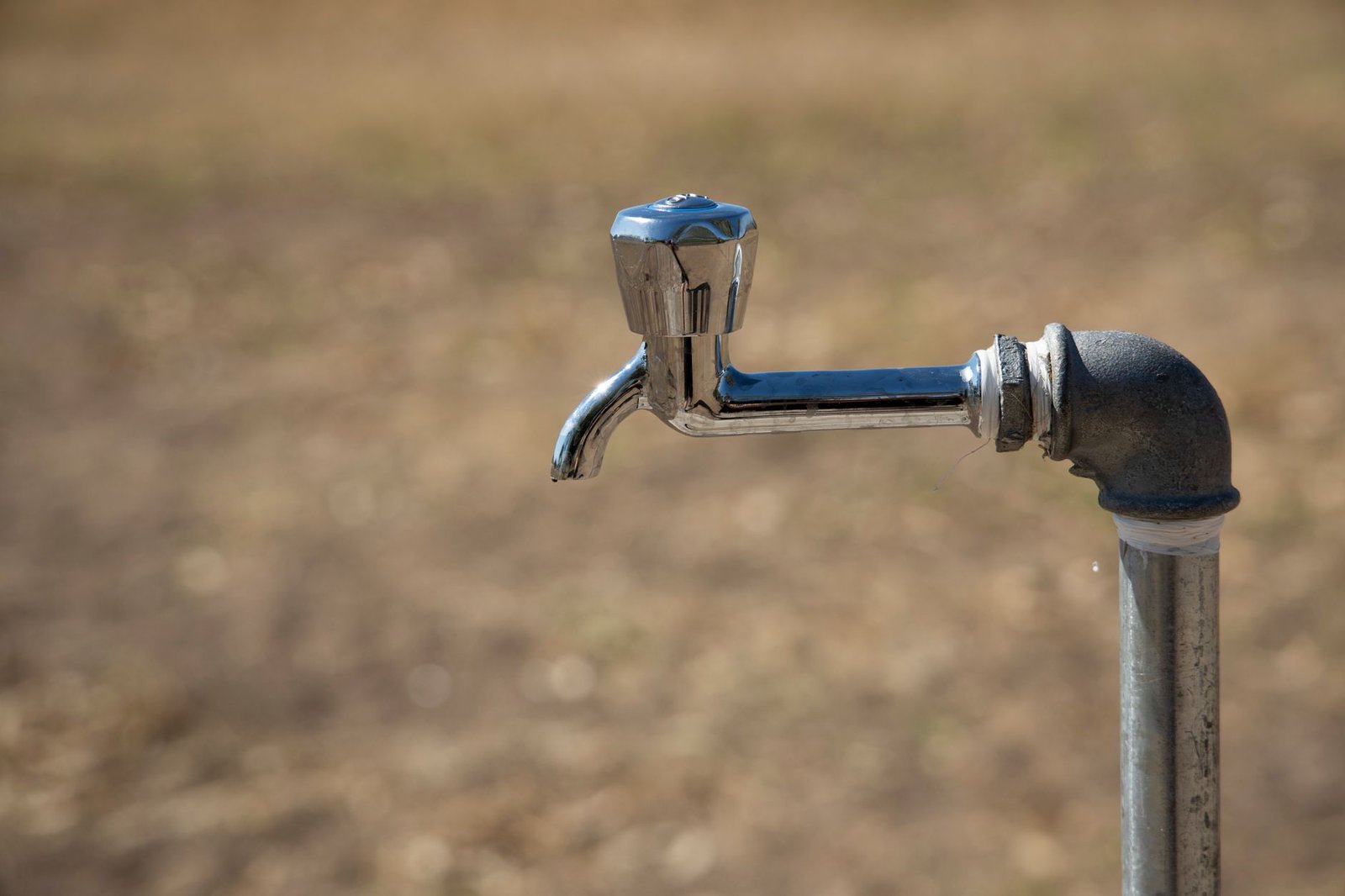
Libreville is grappling with a severe water shortage that has escalated into a full-blown hydric emergency. Residents endure dry faucets for days on end, while long queues form at the few remaining distribution points. The scarcity has driven up prices for water sold in plastic containers across working-class neighborhoods, with some vendors charging what some describe as exorbitant rates—comparable to the cost of a 10,000 CFA franc banknote. This stark reality captures the mounting frustration of a city under unprecedented pressure.
Two primary factors have converged to deepen this crisis. First, an unusually weak rainy season has depleted water levels in reservoirs and intake points supplying the metropolitan area. Second, the aging water infrastructure—neglected for decades—suffers from extensive leakage in pipelines and underperforming treatment plants operating below capacity. Together, these issues have pushed the system to its limits, leaving little room to absorb even minor climate-related disruptions.
Decades-old infrastructure threatens Gabon’s water security
The water crisis in Libreville exposes the vulnerabilities of Gabon’s long-standing approach to managing essential services. Historically managed by the Société d’énergie et d’eau du Gabon (SEEG), the distribution system has undergone multiple state takeovers and contractual ruptures, with no consistent investment strategy. Meanwhile, Libreville’s population, now exceeding 700,000 with its surrounding areas, has grown faster than the city’s water production capacity. Consequently, severe drought periods now trigger targeted water cuts in outlying districts.
The political transition underway since August 2023 has elevated this issue to the top of the government’s agenda. With a narrow window to deliver tangible results, the declaration of a hydric emergency enables swift mobilization of public funds, equipment requisitions, and cross-ministerial coordination. However, these emergency measures will only yield lasting solutions if paired with a credible, long-term investment program.
Social unrest rises as Libreville confronts water scarcity
On the ground, residents and authorities are improvising solutions. Government-chartered water tankers, sporadic deliveries at local municipal offices, private borehole activations, and the sale of water in containers form a patchwork of stopgap measures. Businesses, hotels, and hospitals are also feeling the operational strain, with hidden yet significant economic costs. Healthcare facilities, in particular, face heightened hygiene challenges and growing fears of waterborne disease outbreaks.
Officials have outlined short-term fixes, including accelerated repairs to treatment plants, imported pumping equipment, and increased reliance on groundwater. Yet, financing this transition remains a formidable challenge. Multilateral lenders, including the African Development Bank and the World Bank, have previously funded water projects in Greater Libreville. Their renewed involvement would require clear governance reforms and a defined role for the incumbent operator.
Gabon’s crisis reflects broader hydric challenges in Africa
Libreville’s water emergency is part of a larger pattern affecting several central and West African capitals. Cities like Kinshasa, Brazzaville, Douala, and Abidjan have faced recurring water access issues, driven by rapid urban growth, underinvestment, and worsening climate variability. For Gabon—a country long perceived as water-rich due to its dense forests—the current crisis serves as a stark reality check.
Resolving this issue will require a three-pronged strategy: upgrading existing infrastructure, diversifying water sources, and reforming the institutional framework governing public water services. With the political transition timeline looming, swift action is critical to prevent social unrest from undermining upcoming electoral processes.