
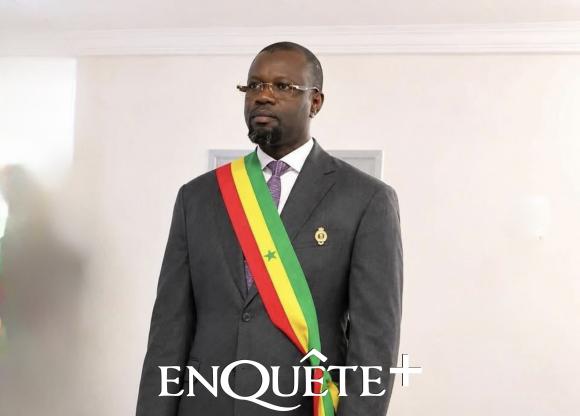
A coalition of opposition lawmakers has escalated a constitutional showdown in Senegal, filing a landmark petition with the Supreme Court to block Ousmane Sonko’s reinstatement as a lawmaker—a move that would clear his path to becoming President of the National Assembly.
The 20 legislators, representing various opposition factions, submitted their challenge on June 1, 2026, arguing that Sonko’s reinstatement violates Article 54 of the Constitution. They claim his continued presence in parliament while holding government office in 2024 created an automatic incompatibility, effectively nullifying his parliamentary mandate.
In a scathing statement, the opposition denounced what they called a deliberate obstruction of transparency. They revealed that repeated formal requests—including court summons—failed to secure critical documents, such as the official reinstatement decree and the May 26 plenary session minutes, from parliamentary authorities. These records, they insist, are public by law and essential to their legal challenge.
The dispute centers on a controversial sequence of events: Sonko, who served as Prime Minister until his dismissal on May 22, 2026, stunned the nation by winning the presidency of the National Assembly just four days later with 132 out of 133 votes. His election, boycotted by opposition members who labeled it a constitutional coup, elevated him to the second-highest position in the state.
Legal experts remain divided. Some argue Article 54 only establishes incompatibility without addressing automatic reinstatement, while others cite Article 123 of the parliamentary rules, which allows for a deputy’s replacement upon joining the government. The opposition’s legal standing itself is uncertain, as some constitutional scholars question whether lawmakers have the direct authority to petition the court in this matter—a power typically reserved for the President.
The Supreme Court now faces a pivotal decision: whether to accept the petition at all. The ruling could redefine the balance of power in Senegal’s political landscape and set a precedent for future parliamentary disputes.
You may also like
Mamadi Doumbouya to return to Conakry on Monday after state visit to Côte d’Ivoire
Elversberg vs Bayern Munich: which channel is showing the Bundesliga clash?
JOJ 2026, Diomaye appelle la jeunesse sénégalaise à porter l’image de l’Afrique
Mali: près de 80 soldats tués dans l’attaque du camp de Dioura
Côte d’Ivoire : le Burida redistribue 795,4 millions FCFA à 5 435 ayants droit