Lecornu’s diplomatic tour: why qatar and Morocco top France’s new priorities
France’s fresh diplomacy takes shape as Sébastien Lecornu visits Doha and Rabat, signaling Paris’s evolving alliances and strategic focus in the Middle East and North Africa.

Diplomatic overtures in Doha and Rabat: what’s at stake
When a new French prime minister steps into office, the inaugural international visits often serve as unmistakable indicators of foreign policy direction. These first steps reveal which nations matter most, where geopolitical balances lie, and which alliances Paris intends to prioritize.
Sébastien Lecornu’s recent regional tour exemplifies this trend. His journey begins in Doha before swiftly moving to Rabat, a deliberate sequence highlighting two key partners: the Gulf state and the North African monarchy. In both cases, substance outweighs protocol, sending clear political signals to regional and global stakeholders.
In Qatar, the mission carries symbolic weight. The visit follows the passing of former Emir Sheikh Hamad bin Khalifa Al-Thani, whose three-decade reign ended in 2013 when he voluntarily stepped aside—a rarity in the Gulf. The French delegation’s composition, including veteran diplomat Jean-Yves Le Drian, underscores continuity in bilateral relations while honoring a respected regional leader.
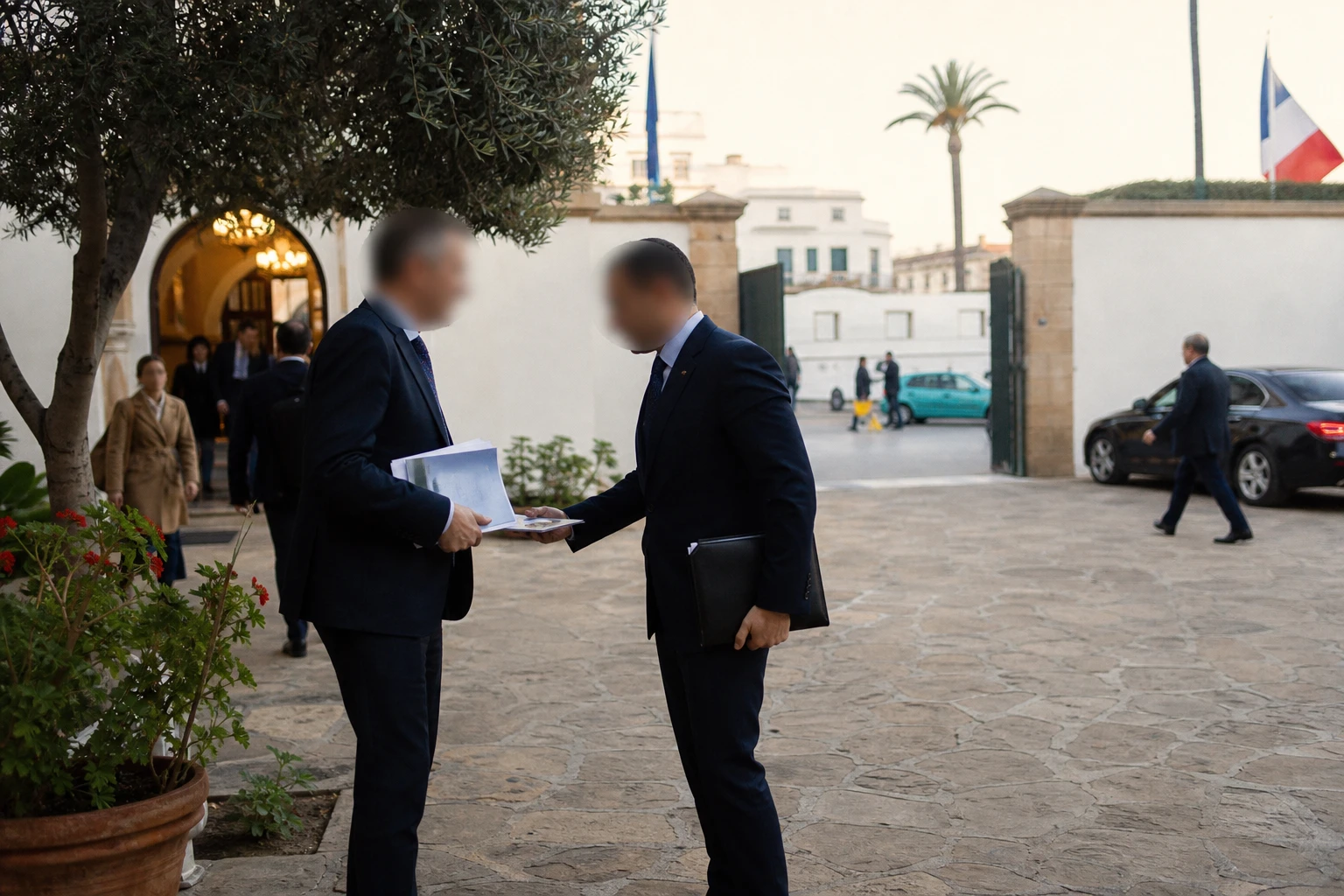
Rabat presents a more ambitious agenda. The Moroccan capital hosts a high-level meeting where Lecornu will meet with top officials, marking the first such encounter since 2019. With twelve French ministers in tow—including Jean-Noël Barrot and Laurent Nuñez—the visit signals Paris’s commitment to deepening a strategic partnership.
From condolence to continuity: France’s Qatar connection
The Doha stopover blends protocol with long-term strategic interests. While presenting official condolences for the late emir, France reaffirms its commitment to a relationship built on mutual respect and shared economic interests.
With approximately 6,000 French expatriates calling Qatar home, the human and economic ties remain substantial. Trade agreements spanning aviation and defense sectors have strengthened over the years, particularly as regional tensions in the Gulf intensify. For Paris, maintaining this dialogue channel proves essential, while Doha benefits from France’s reliable partnership in navigating complex regional challenges.
Morocco: sealing a new chapter in bilateral relations
The Rabat leg represents the tour’s centerpiece. Following President Emmanuel Macron’s historic 2024 recognition of Morocco’s sovereignty over Western Sahara—endorsing Rabat’s autonomy plan—the current visit aims to transform this diplomatic opening into tangible cooperation.
During Macron’s October 2024 state visit, both nations formalized a “strengthened exceptional partnership” worth over €10 billion in investments and agreements. For Morocco, this support strengthens its international standing on the Western Sahara issue, a cornerstone of its foreign policy. For France, the benefits are twofold: reclaiming influence in a strategic market while reinforcing its diplomatic footprint in North Africa.
The regional ripple effect: Algeria’s strategic concerns
Yet this diplomatic alignment comes at a cost. France’s Western Sahara stance has strained relations with Algeria, which withdrew its ambassador from Paris in protest following the 2024 decision. The current visit to Rabat thus carries additional significance, signaling Paris’s deliberate choice to prioritize Morocco while leaving room for future engagement with Algiers.
Western Sahara remains a contentious issue. The Polisario Front and its supporters view France’s position as legitimizing an occupation, while Paris frames its stance as a negotiation framework rather than a final resolution. The diplomatic fallout underscores the complexity of this long-standing conflict.
What comes next: signals to watch
Two key developments will shape the aftermath of this diplomatic tour. First, the concrete outcomes of the Rabat meetings—ranging from economic cooperation to security and migration policies. Second, the potential state visit by King Mohammed VI to France, which would symbolize the transition from warming relations to a formalized strategic alliance.
The broader question remains: how far can France expand its Moroccan partnership without permanently alienating Algeria? Lecornu’s tour doesn’t resolve this tension but clearly charts the course Paris has chosen for its North African diplomacy.