The government of the République démocratique du Congo is escalating its legal and financial offensive following the release of detailed evidence regarding human rights violations and the illegal extraction of natural resources in the eastern part of the country. These findings, documenting the activities of the AFC/M23 rebellion, are being integrated into a broader strategy to hold Kigali and its allies accountable on the international stage.
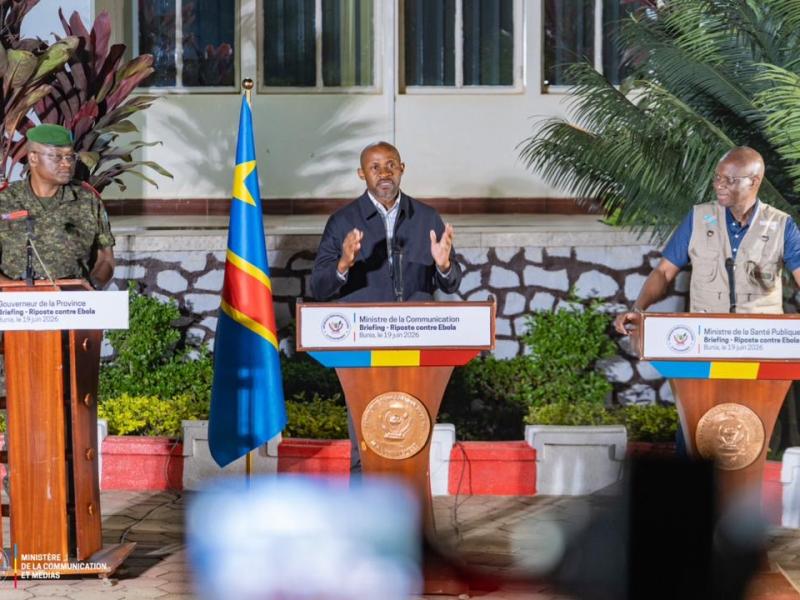
During a recent briefing, government spokesperson Patrick Muyaya explained that the documented evidence regarding the security and humanitarian crisis does not come as a surprise to the authorities in Kinshasa. Instead, it serves to solidify a multi-front strategy that targets both the judicial and economic foundations of the ongoing aggression. The Ministry of Justice is currently preparing new legal actions to be launched in the near future.
Targeting the war economy and mineral supply chains
A central component of the government’s response involves dismantling the financial networks that sustain the conflict. Patrick Muyaya emphasized that addressing the theft of minerals requires looking beyond local actors to examine the entire global supply chain. This follows high-level discussions held in Genève involving the Prime Minister and various international trade stakeholders.
The RDC maintains that the instability in the East is fueled by a “war economy” orchestrated by Rwanda to profit from Congolese resources. The government is determined to use these latest findings to strengthen existing cases and pursue those benefiting from the illicit trade that finances the AFC/M23.
Forced recruitment and human rights abuses
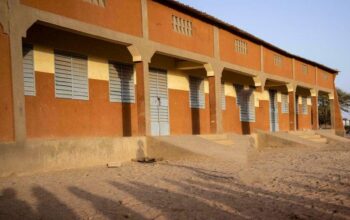
The exploitation of civilians, particularly the forced recruitment of children, remains a critical concern. Reports indicate that the AFC/M23, facing widespread unpopularity in the territories they occupy, have resorted to coercive measures to bolster their ranks. Parents in these regions have frequently raised alarms about the safety of their children, with some fearing to send them to school due to the risk of abduction by rebel forces.
These actions are being classified as grave war crimes. The RDC government intends to ensure that these documented facts are presented before both national and international judicial mechanisms to ensure that those responsible face justice.
International sanctions and the path forward
The RDC views recent sanctions imposed by the United States against specific Rwanda military officials as a significant step in recognizing the external involvement in the mineral trafficking trade. For Kinshasa, the conflict is fundamentally an economic war designed to facilitate the systematic looting of the country’s wealth.
While Kigali continues to deny any role in the destabilization of the Nord-Kivu and Sud-Kivu provinces, the Congolese government remains committed to tracking and exposing these illicit networks. The goal remains the full restoration of national sovereignty and the protection of the country’s resources from illegal exploitation.