
The northern Malian city of Kidal stands as a symbol of enduring resistance amid a complex security landscape. Once the heart of Tuareg rebel movements, this region continues to shape the dynamics of Mali’s evolving conflict. Here, the Front de libération de l’Azawad (FLA) maintains a visible presence, its leadership navigating a fragile balance between autonomy claims and shifting alliances.
Kidal’s strategic importance in Mali’s conflict
Kidal’s significance transcends its geographic location. It serves as a critical node in the Sahel’s volatile power struggles, where armed groups and state forces engage in a high-stakes tug-of-war. The city’s control remains fiercely contested, with local factions and external actors vying for influence over its future.
A snapshot of Kidal’s leadership
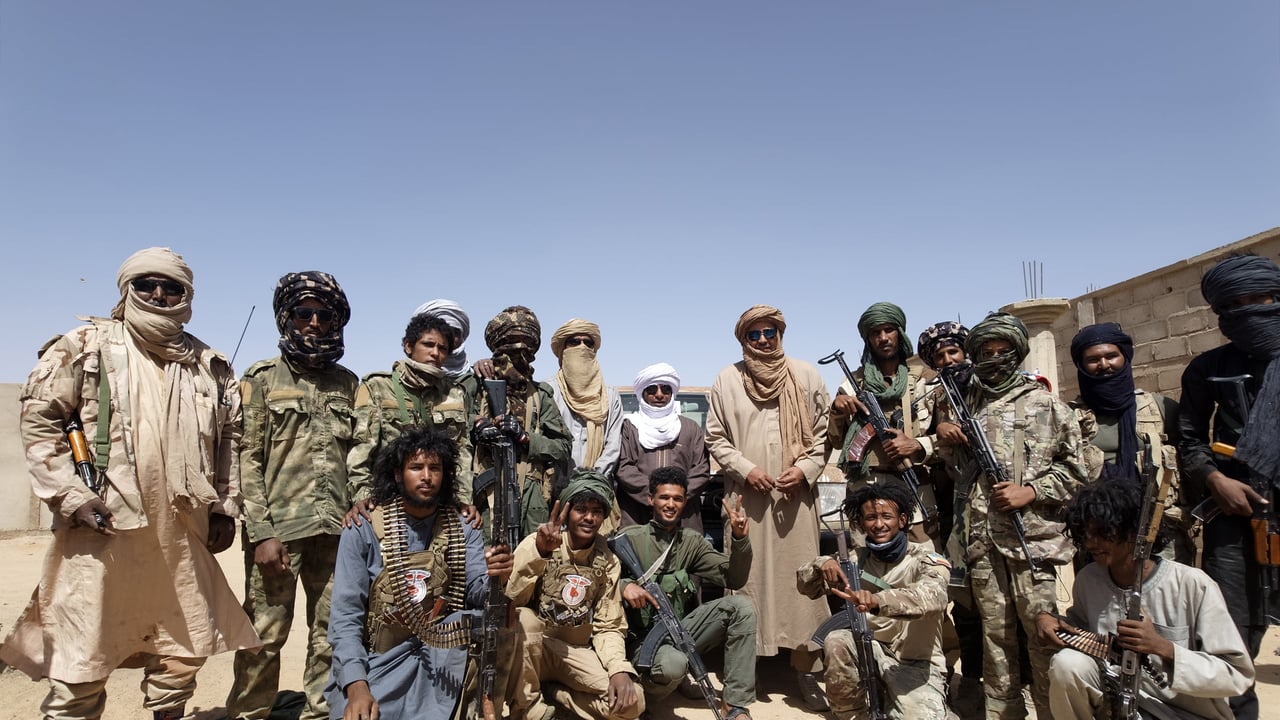
At the forefront of Kidal’s political and military scene, Alghabass Ag Intalla stands alongside his fighters, embodying the region’s defiant spirit. His leadership reflects the intricate interplay between local governance and insurgent movements, each jockeying for dominance in a fractured landscape.
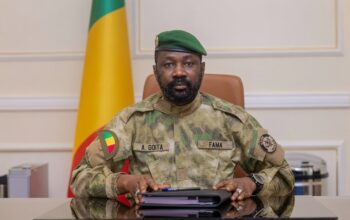
Meanwhile, figures like Iyad Ag Ghaly and Assimi Goïta cast long shadows over the region. Their actions—whether through political maneuvering or military campaigns—further complicate the already tense situation in northern Mali.
Daily life under insurgent rule
Residents of Kidal navigate a reality far removed from stability. Markets operate under the watchful eye of armed factions, while civilians adapt to the realities of life under insurgent control. The absence of state authority has reshaped social structures, leaving communities to fend for themselves in an environment where survival often outweighs long-term aspirations.
Amid the chaos, pockets of resilience emerge. Local leaders, traders, and ordinary citizens work to sustain essential services, even as the specter of violence looms large. The city’s resilience is a testament to the unyielding human spirit in the face of adversity.
What lies ahead for Kidal?
The future of Kidal hangs in the balance. Diplomatic efforts and military engagements continue to unfold, each carrying the potential to either stabilize or further destabilize the region. As Mali’s government grapples with internal divisions and external pressures, the people of Kidal remain caught in the crossfire, their fate intricately tied to the broader Sahel crisis.