The summer 2026 transfer window has kicked off with a bang, and women’s football fans are already buzzing about the blockbuster deals that could reshape the landscape of the Women’s Super League and international competitions. While global stars like Alexia Putellas, Georgia Stanway and Sam Kerr have already finalized their moves, the chessboard is far from settled, with seismic shifts still expected to ripple across the sport.
how transfers are reshaping england’s world cup ambitions
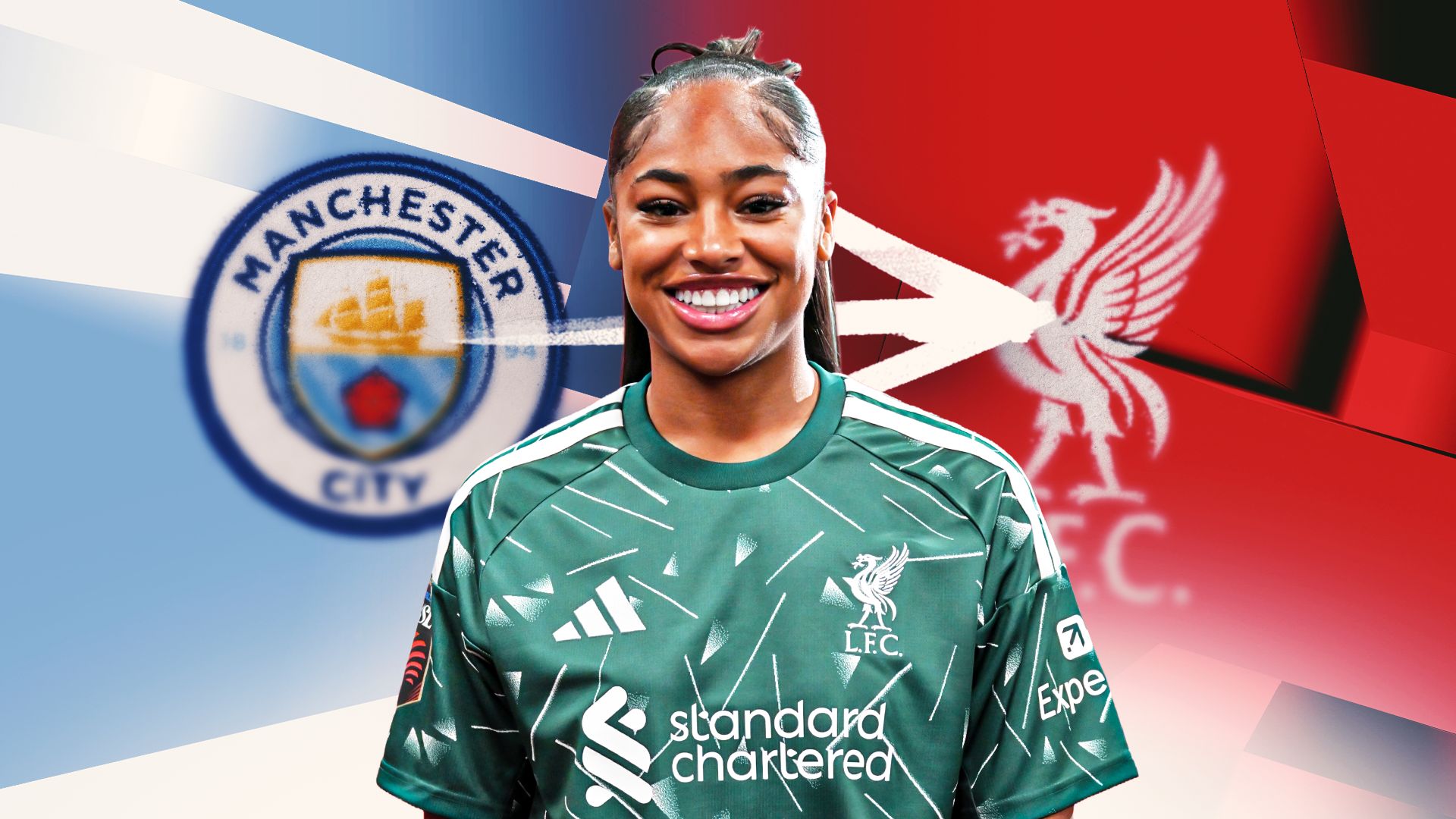
Among the most talked-about moves is the transfer of Khiara Keating from Manchester City to Liverpool. For Keating, it’s more than just a career change—it’s a calculated gamble to reignite her England career ahead of the 2027 FIFA Women’s World Cup. Limited to a backup role at City, her move to Anfield gives her a clear path to regular starting action, a vital ingredient for national team selection. The switch also highlights Liverpool’s ambition to challenge at the top of the WSL, where the Reds are building a squad capable of competing with the traditional powerhouses.
a summer of power moves and tactical gambles
Football’s transfer market is never just about money—it’s about vision, timing, and the right fit. Mapi León’s departure from Barcelona to London City Lionesses is a perfect example. One of the world’s best center-backs, León leaves behind a defensive legacy at Camp Nou but joins a club on the rise in England. For London City, it’s a statement of intent: they’re no longer just signing experienced players at the end of their careers. They’re bringing in world-class performers who can elevate their squad and push for trophies.
Meanwhile, Niamh Charles’ transfer from Chelsea to Manchester City underscores a growing trend: clubs are prioritizing versatility and tactical flexibility. With Katie McCabe’s arrival at Chelsea creating a logjam at left-back, Charles’ move to City allows her to reclaim her natural position in central defense while giving City a reliable left-back option. It’s a smart swap that addresses multiple needs across two top clubs.
controversial exits and strategic reinforcements
Not every transfer is a win-win. The departure of Ona Batlle from Barcelona to Arsenal has sent shockwaves through Spanish football. At just 27, Batlle is one of the world’s top full-backs, and her free transfer to England feels like a missed opportunity for Barça to keep a generational talent. For Arsenal, it’s a masterstroke—Batlle’s ability to invert and play effectively on either flank adds tactical depth that could finally help the Gunners break their WSL title drought.
Over at Lyon, the arrival of Caroline Weir from Real Madrid is a statement of intent after years of continental near-misses. Weir, one of the most consistent midfielders in Europe, joins an OL side desperate to reclaim its place at the top of European football. For Weir, it’s a chance to win trophies she never could in Madrid, where the women’s team remains in the shadow of Barcelona.
what these transfers mean for the 2027 world cup
With the Women’s World Cup just over a year away, every transfer carries extra weight. Clubs are not just building for the season—they’re building for the future of their national teams. Players like Georgia Stanway returning to England with Arsenal, or Sam Kerr joining Gotham FC in the NWSL, are making strategic career choices that balance club success with international ambitions.
For England, the Keating transfer is particularly significant. After being frozen out of the Lionesses squad due to limited minutes at City, her move to a team where she’ll start regularly could be the final push she needs to secure a World Cup spot. Clubs are increasingly recognizing that international duty is a non-negotiable factor in player development—and that means giving talent like Keating the minutes they need.
who wins, who loses, and who’s still on the board
Not every club benefits from the summer’s activity. Barcelona, despite their financial recovery, are still feeling the pain of high-profile departures. The loss of Putellas, León, and Batlle in one window is unprecedented—and while their youth academy remains a beacon of hope, the immediate impact on the first team is undeniable.
Arsenal, on the other hand, are shaping up to be the biggest winners. With Batlle, Stanway, and Putellas all arriving, they are assembling a squad capable of challenging on all fronts—WSL, FA Cup, and even the UEFA Women’s Champions League. Their summer strategy reflects a clear ambition: to end eight years without a league title and finally compete with Chelsea and City at the top.
As for the players themselves? The 2026 transfer window is about more than just contracts and wages. It’s about legacy. For some, like Beth Mead moving to Manchester City, it’s about securing minutes before a World Cup year. For others, like Felicia Schroder heading to Real Madrid, it’s about proving they belong among the global elite.
The transfer window is still open, and the final pieces of the puzzle are yet to fall into place. But one thing is clear: this summer’s moves are not just shaping the next season—they’re shaping the next generation of England’s World Cup hopes.