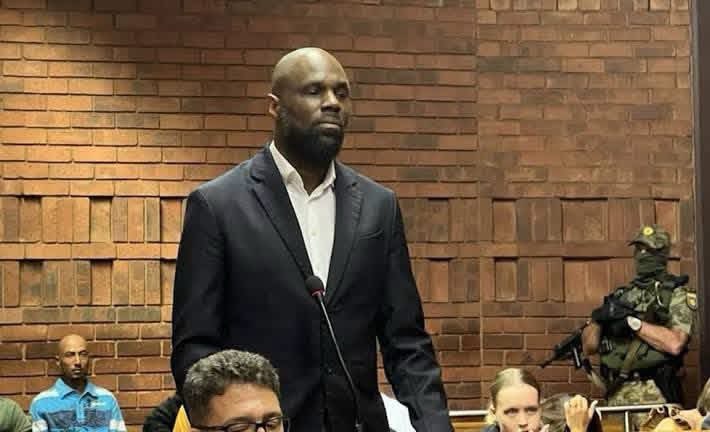
The recent denial of bail for Kémi Séba has brought to light critical questions about the behind-the-scenes dynamics of a suspected international escape plot. Prosecutorial revelations suggest that preparations for his exfiltration were already underway before the decision was made to reject his temporary release request, raising concerns about external influences on judicial proceedings.
Héry Djehuty at the center of the investigation
Héry Djehuty, coordinator of Urgences Panafricanistes and a key associate of Kémi Séba, has emerged as a central figure in this case. According to investigative findings, he allegedly initiated the first contacts with international intermediaries who were reportedly involved in orchestrating an escape operation. This pivotal role in establishing initial connections has become a focal point for understanding how the alleged network functioned and who may have been involved at its inception.
Unanswered questions surrounding his involvement
Several pressing questions remain unanswered: What prompted Djehuty to initiate these exchanges? Were his actions taken on direct instruction or as part of an independent initiative? Answering these inquiries could provide crucial insights into the possible participation of Séba’s inner circle in planning the suspected exfiltration.
Financial inquiries into alleged collection efforts
Another critical dimension of this investigation revolves around the funds collected by Héry Djehuty under the pretext of supporting Kémi Séba’s legal defense. Given the emergence of intermediaries from Russia and individuals described as South African rangers in connection with the escape plot, scrutiny must focus on whether these resources were diverted for purposes beyond judicial representation.
The key question remains: Were the collected funds intended exclusively for legal defense, or did they also contribute to financing logistical arrangements for an exfiltration operation? Establishing the origin, allocation, and beneficiaries of these financial flows is essential to determining their true purpose.
Which individuals received these funds?
What were the total amounts involved?
Do financial records confirm their declared use?
Were donor contributions solely directed toward legal proceedings?
International intermediaries: Russia and South Africa in focus
Among the most sensitive aspects of this case is the identification of Russian nationals presented as facilitators in the alleged escape plan. If Djehuty’s role in initiating these contacts is validated, prosecutors must now trace how these intermediaries were approached, by whom they were recruited, and the nature of the proposed cooperation. Exfiltration operations require extensive coordination, financial backing, and logistical support, making the origins of these resources a critical investigative focus.
Suspected roles of South African profiles
Additionally, individuals described as South African rangers have been linked to suspicions of organizing an escape. Their potential involvement raises questions about the specific logistical or security-related competencies they may have contributed to the operation. Investigators must determine whether these profiles had any prior connections with the Russian intermediaries and whether their engagement was facilitated through the initial contacts attributed to Héry Djehuty.
South African intelligence: what did they know?
The potential presence of foreign facilitators, particularly from Russia and South Africa, introduces concerns about the intelligence shared by South African authorities. Did their services possess prior knowledge of the contacts established? Were they monitoring the individuals involved? Could they have identified local or international intermediaries facilitating these arrangements? The timeline of communications, travel patterns, and exchanges between the key players may provide answers to these pressing security-related questions.
Bail denial: a justified response to escape risks?
The rejection of Kémi Séba’s temporary release request underscores the judicial system’s concerns over flight risks. Prosecutorial revelations concerning an alleged escape operation if substantiated could significantly strengthen the argument against granting bail, particularly where international contacts and logistical resources have been implicated. Beyond assessing flight risks, the court must evaluate the potential for obstruction of justice and interference with ongoing investigations.
Establishing responsibility: the path forward
As the case unfolds, several critical questions demand resolution:
Who instructed Héry Djehuty to establish contact with foreign intermediaries?
What were the nature of the relationships between the Russian nationals and the South African profiles?
Which financial backers were expected to fund travel and logistical arrangements?
Were the collections organized by Djehuty used strictly for legal defense purposes?
Did South African intelligence agencies have prior awareness of these activities?
To what extent was Kémi Séba aware of the maneuvers undertaken by his associates?
Answers to these questions will be instrumental in reconstructing the full timeline of events and determining individual responsibilities in the suspected exfiltration network.
An affair with far-reaching international implications
The Kémi Séba case extends beyond his arrest and bail application. The international connections uncovered during the investigation necessitate a thorough examination of who initiated the initial contacts and coordinated the potential escape operation. Héry Djehuty’s role as coordinator of Urgences Panafricanistes and Séba’s close associate places him at the heart of this network, particularly regarding the search for foreign facilitators.
The financial trail adds another layer of complexity: Were the donations solicited from supporters genuinely allocated to legal defense, or were they diverted to fund an exfiltration operation? Uncovering the truth behind these fundraising efforts remains paramount to understanding the full scope of the alleged scheme.
By Claire Mvondo — Journalist