The heart of Mali’s agricultural heartland, the Ségou region, became the latest flashpoint in an escalating conflict as the Group for the Support of Islam and Muslims (JNIM) launched a brazen overnight assault on a Malian military outpost. The attack, confirmed through the group’s propaganda channels, marked another bold strike by the al-Qaeda-affiliated faction, raising serious questions about the junta’s grip on national security.
The raid that shook Ségou
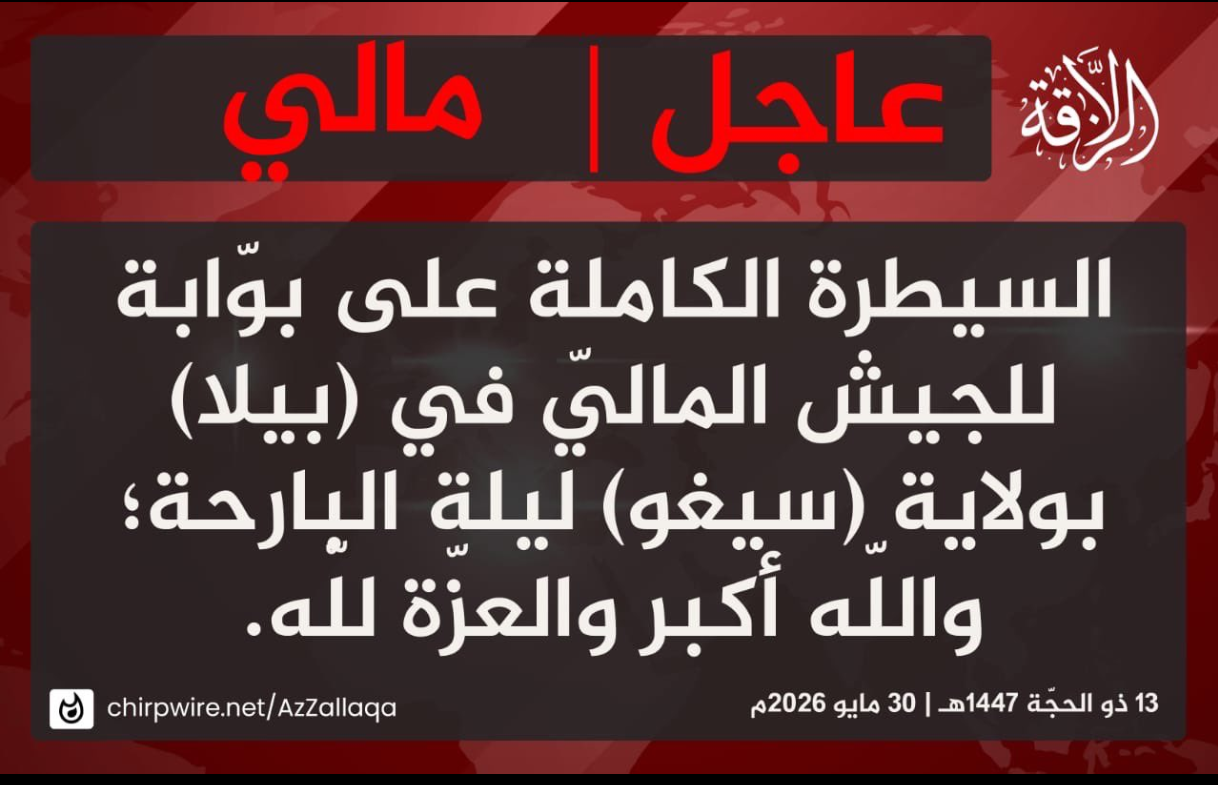
In the early hours of May 30, the JNIM issued a statement claiming control over a key military position in Ségou after a coordinated nighttime offensive. The group boasted of seizing a significant cache of weapons and ammunition, further undermining the Malian Armed Forces’ (FAMa) already fragile position in the central region.
While local sources acknowledged intense overnight clashes, an independent assessment of the damage remains elusive. This latest breach underscores the persistent threat posed by armed groups, even in areas presumed to be heavily fortified.
Military strategy falters against jihadist mobility
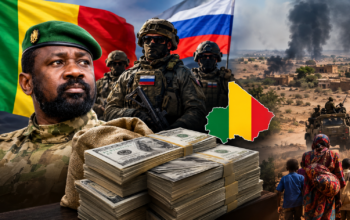
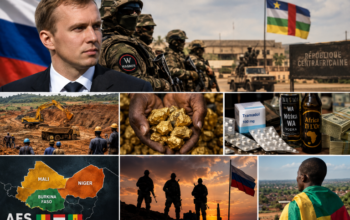
Since the military takeover in Bamako, the transitional government has repeatedly pledged to reclaim full control over Malian territory. The shift in alliances—marked by the departure of Western forces and the arrival of Russian military instructors and mercenaries—was supposed to turn the tide. Yet, the Ségou attack paints a starkly different picture.
The Russian-backed security partnership, relying heavily on aerial strikes and large-scale sweep operations, has proven ineffective against the JNIM’s guerrilla tactics. The jihadists’ ability to strike and disappear into the terrain has left Malian troops and their Russian allies playing catch-up. Rather than diminishing, the insurgency has dug deeper roots, signaling a crisis spiraling beyond Bamako’s control.
From bullets to breadlines: how insecurity fuels hunger
The fallout from the Ségou attack extends far beyond the battlefield. The region, once a vital breadbasket thanks to its proximity to the Niger River, now faces a growing food crisis. Fields lie fallow, livestock markets are looted, and trade routes are severed by improvised explosive devices (IEDs). Farmers dare not tend their lands for fear of ambushes, while militants weaponize hunger by blocking supplies to urban centers.
The resulting food shortages are exacerbated by the government’s inability to provide adequate humanitarian relief. As malnutrition spreads, the most vulnerable—women and children—bear the brunt of a crisis the state seems powerless to address.
Civilians flee as the state’s grip weakens
The twin threats of violence and famine have triggered a mass exodus. Entire villages in Ségou are being abandoned as residents flee toward urban hubs or Bamako, hoping for safety. These internally displaced persons (IDPs) crowd into overcrowded, makeshift camps, lacking basic sanitation and healthcare. With the state’s resources diverted to its faltering war effort, local NGOs struggle to fill the void, leaving thousands in desperate conditions.
A nation at a crossroads
The JNIM’s strike in Ségou serves as a grim reminder of Mali’s unraveling security situation. The junta’s narrative of military progress collides with reality—a conflict that refuses to abate. By prioritizing a purely kinetic approach and an unreliable Russian partnership, Bamako has neglected the needs of its people. Without a shift toward civilian protection, public service restoration, and hunger mitigation, Mali risks succumbing to the weight of war and social collapse.