Gabon’s strategic talks with France: economy, defense and debt on the table
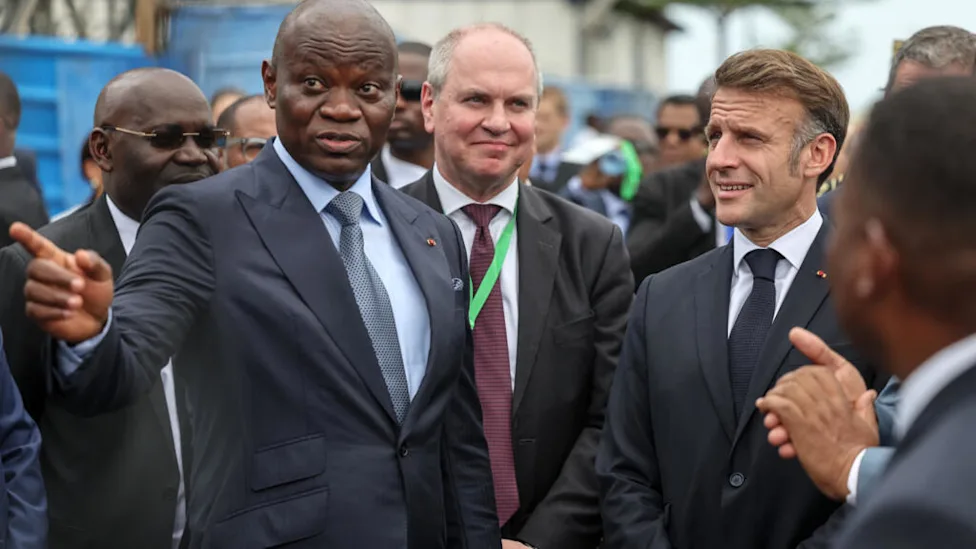
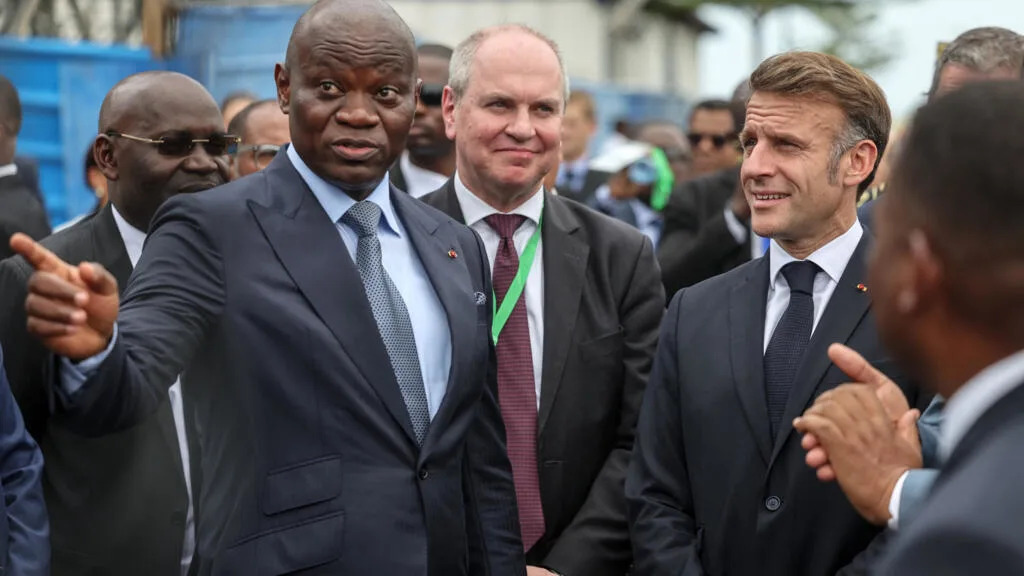
Gabon’s President Brice Oligui Nguema begins a high-stakes visit to France today, with economic sovereignty, military cooperation and debt restructuring dominating the agenda. The talks follow Gabon’s insistence on local processing of its manganese exports—a critical resource controlled by Comilog, a subsidiary of the French group Eramet.
Libreville has set a firm deadline: by January 2029, all manganese ore must undergo primary processing before export. While Paris endorses the principle of local transformation, French officials argue that the timeline may be too ambitious given the scale of infrastructure and energy investments required. A senior advisor to President Oligui Nguema emphasized this week that ‘this visit is precisely about aligning these expectations.’
Military base negotiations and shifting defense ties
Defense cooperation is another flashpoint. Gabon is pushing for full transfer of the Camp de Gaulle military base—formerly a French military installation—and its renaming as a Gabonese facility. The long-term vision includes reducing French military presence to training and advisory roles only. This reflects Libreville’s broader strategy of diversifying partnerships, with increasing engagement from China, Turkey and India.
Water supply deal under scrutiny as debt crisis looms
The water supply agreement with Suez, signed a year ago to improve Libreville’s potable water network, has stalled. French authorities have repeatedly called on Gabon to honor its financial commitments, estimated at 120 billion CFA francs. Meanwhile, Gabon’s public debt—exceeding 70% of GDP—remains a silent but pressing concern.
An independent audit of Gabon’s debt, initiated earlier this year, is nearing completion, with results expected in July. The government is also in talks with the International Monetary Fund (IMF) to secure a support program. However, as of late June, IMF officials noted that critical documentation had not yet been submitted. France, which currently leads the Paris Club of creditors, is urging a coordinated solution to prevent regional financial instability—especially given the potential impact on the CFA franc.