Gabon faces parliamentary scrutiny in key government session
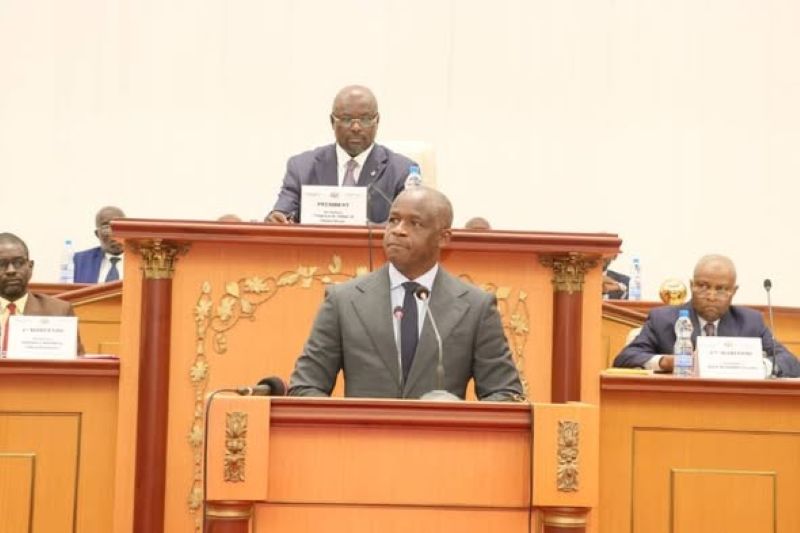
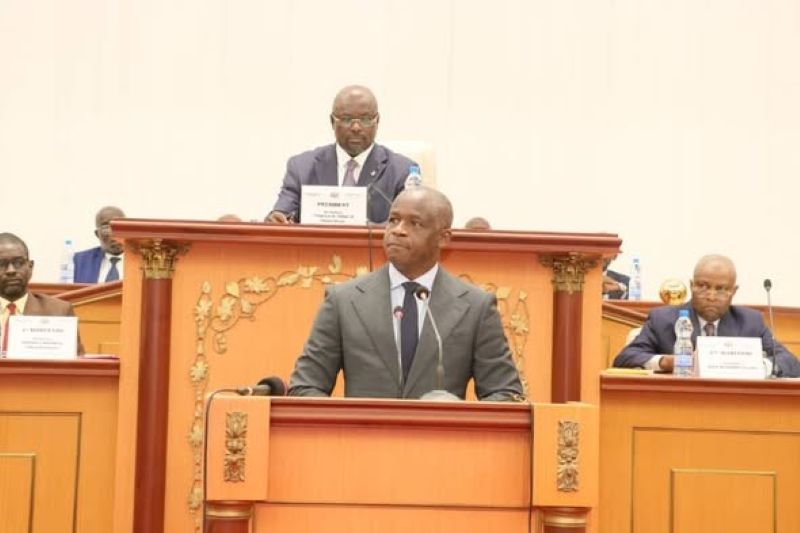
Libreville, June 3, 2026 – Gabon’s National Assembly held its first major parliamentary scrutiny session this week, putting the government under intense public and political pressure.
The Tuesday session marked a significant moment in the 14th legislature, as lawmakers exercised their constitutional duty to question ministers on critical national issues. From purchasing power and education to health, security, employment, and economic sovereignty, the debates revealed the pressing concerns of Gabonese citizens navigating post-transition challenges.
Held at the Léon Mba Palace in strict adherence to parliamentary procedure, the session saw nearly twenty questions directed at government representatives. This political milestone arrives just days before the June 15 Parliament Congress, where President Brice Clotaire Oligui Nguema is expected to deliver his State of the Nation address.
Youth and education take center stage
Among the most pressing concerns raised was the alarming spread of drugs and addictive substances in schools. Sixth Vice-President of the National Assembly Huguette Tsono confronted Vice-President of the Government Hermann Immongault on this issue, who acknowledged the severity of the problem while affirming the state’s commitment to protecting the education system.
The implications of this crisis extend far beyond classrooms. With young people constituting the majority of Gabon’s population, combating substance abuse has become a strategic priority for social stability and human development.
Education reform also dominated the discussion. Deputy Dorland Chancely Olengué pressed Minister of State Camélia Ntoutoume-Leclercq on progress, to which she responded that reforms are advancing according to the government’s established timeline. The minister’s answer underscores a well-known reality: families’ expectations are sky-high, yet sustainable educational improvements demand long-term structural changes.
Economic sovereignty drives policy debates
Economic questions emerged as another focal point of the session. The gradual ban on imported broiler chicken sparked a revealing debate about the nation’s new policy direction. Minister of Agriculture Pacôme Kossy emphasized that this measure aims to build a robust domestic poultry industry capable of meeting local demand while creating jobs.
This decision reflects a broader ambition: reducing Gabon’s food dependency and strengthening local production capacity.
A similar strategy was evident in the mining reforms presented by Minister of Mines Sosthène Nguema Nguema. The announced ban on raw manganese exports aligns with a plan to capture greater value-added processing within national borders. This shift signals a departure from traditional raw material export models and mirrors a growing trend among African nations prioritizing local industrialization of their natural resources.
Everyday challenges persist
Social welfare issues also took center stage. Difficulties in obtaining national identity cards and passports were raised with Interior Minister Adrien Nguema Mba—particularly challenging for inland populations with limited access to administrative services. Concerns about retirees, CNAMGS beneficiaries, people with disabilities, and single mothers were addressed by Social Affairs Minister Armande Longo épouse Moulengui. These questions serve as a reminder that economic growth alone cannot translate into tangible improvements in citizens’ lives without direct action on quality-of-life issues.
Parliament reasserts its oversight role
Beyond ministerial responses, the session highlighted the National Assembly’s renewed role as a public debate forum. By enabling representatives to address issues ranging from food security and industrial transformation to education, health, and administrative governance, the parliament reaffirmed its democratic oversight function.
National Assembly President Michel Régis Onanga Ndiaye closed the session by previewing the upcoming Parliament Congress—a pivotal political event where major reforms since the Transition will be assessed. This inaugural oral questioning session of the 14th legislature serves as a critical indicator: Gabon is engaged in profound transformations but faces immense social expectations.
Between economic sovereignty, state modernization, and citizen welfare improvements, the government now faces a decisive test—not just on its ambitions, but on delivering tangible, visible results. The coming months will determine the credibility of Gabon’s public action.