Gabon budget 2027: balancing priorities in a shifting economy
Libreville – The Gabonese government has entered a critical phase in shaping its economic future. Behind the technical discussions and financial projections lies a strategic vision that will define the nation’s trajectory for years to come.
The budget consultations now underway are far more than routine administrative procedures. They mark the beginning of a pivotal political process for the 2027 Finance Law, one that will crystallize the country’s economic, social, and institutional ambitions in tangible terms.
Under the leadership of Vice-President Hermann Immongault, key economic officials have launched a decisive process to determine how public resources will be allocated in an international climate of economic uncertainty, rising inflation, and growing public demands for improved purchasing power and essential services.
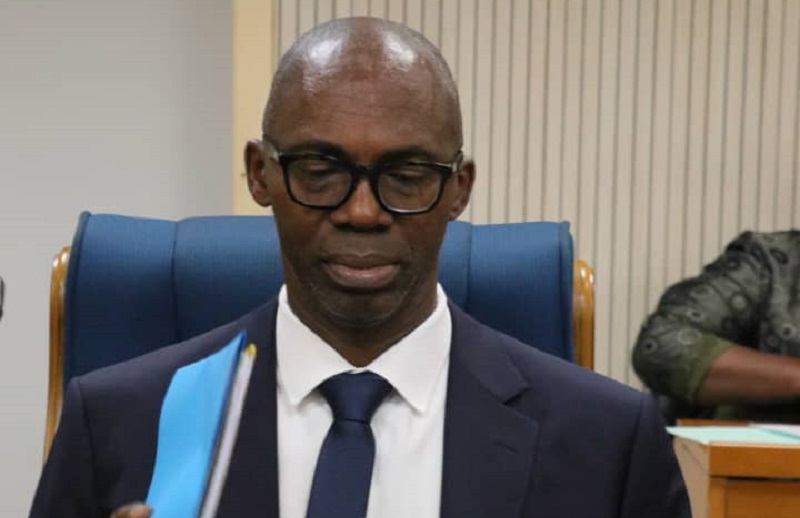
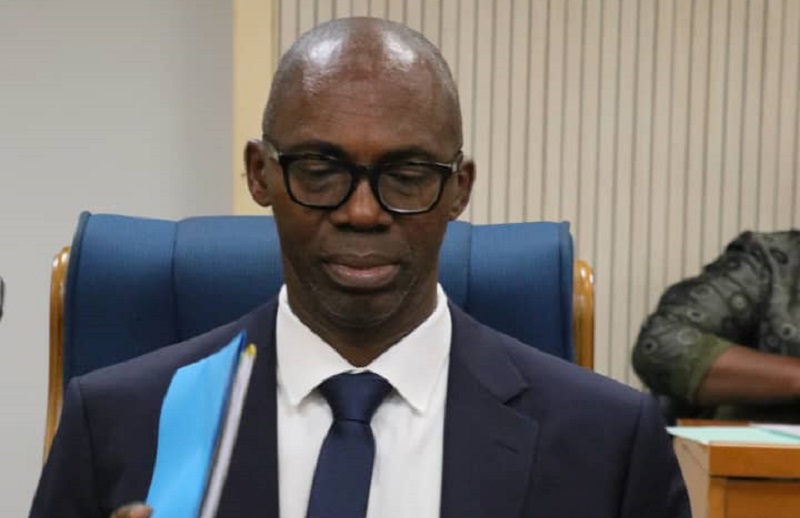
Finance Minister Thierry Minko, overseeing economic management and efforts to curb rising living costs, has unveiled a detailed roadmap for the consultations. These will engage all government departments beginning this month, setting the stage for a budgetary exercise focused on efficiency and measurable social impact.
Prioritizing household welfare in uncertain times
The government has set a clear direction: safeguarding household purchasing power and protecting citizens’ well-being will be the cornerstone of the 2027 budget. In a global economic environment still reeling from market volatility, commodity price swings, and widespread cost-of-living increases, this commitment represents a deliberate policy choice.
State investments will be strategically concentrated in sectors that deliver immediate benefits to daily life. Key areas likely to receive priority funding include health, education, infrastructure, productive investment support, food security, and social policies.
According to Minko, the budget consultations will unfold in two distinct phases. The first will allow each ministry to present its key priorities and financial needs. A second, technical phase will scrutinize proposals for feasibility, cost-effectiveness, and alignment with the state’s financial capacity—an approach designed to enhance public spending quality and prevent the imbalances seen in past budgets.
The National Growth and Development Plan as economic compass
Another defining feature of this process is the central role assigned to Gabon’s National Growth and Development Plan (PNCD). Already finalized and approved, the PNCD is now established as the guiding framework for all public action.
“The 2027 budget will be built around the PNCD,” Minko emphasized. This statement signals a significant shift in Gabonese economic governance, moving away from short-term, disconnected financial exercises toward long-term strategic alignment.
Every infrastructure project, public policy, or investment will now be evaluated based on its direct contribution to the national development strategy. The goal is to strengthen policy coherence and maximize the economic and social returns of public spending.
Balancing IMF engagement with national priorities
Negotiations with the International Monetary Fund will intensify in the coming months. On this sensitive file, the Gabonese government has outlined firm red lines: any future cooperation program must not erode recent social gains nor compromise investments deemed vital for the nation’s development. This stance reflects a dual commitment—to fiscal responsibility and social justice.
The aim is to preserve the country’s financial credibility while maintaining the investment capacity needed to transform Gabon’s economy. Before the 2027 Finance Law can be adopted, the draft budget must pass through several constitutional stages: review by the Economic, Social and Environmental Council, audit by the Court of Auditors, and scrutiny by the Council of State, before final submission to the National Assembly.
For Vice-President Immongault, this meticulous preparation is essential to avoid the budgetary dysfunctions of the past and to ensure that every government member can defend a realistic, coherent, and nationally aligned budget. Each line item represents a societal choice.
The budget is not merely a financial document. It is the most concrete expression of a nation’s priorities, its development vision, and the social contract it forges with its people.
The consultations launched this month mark the beginning of a far-reaching transformation. They open the door to Gabon’s future in 2027—and beyond.