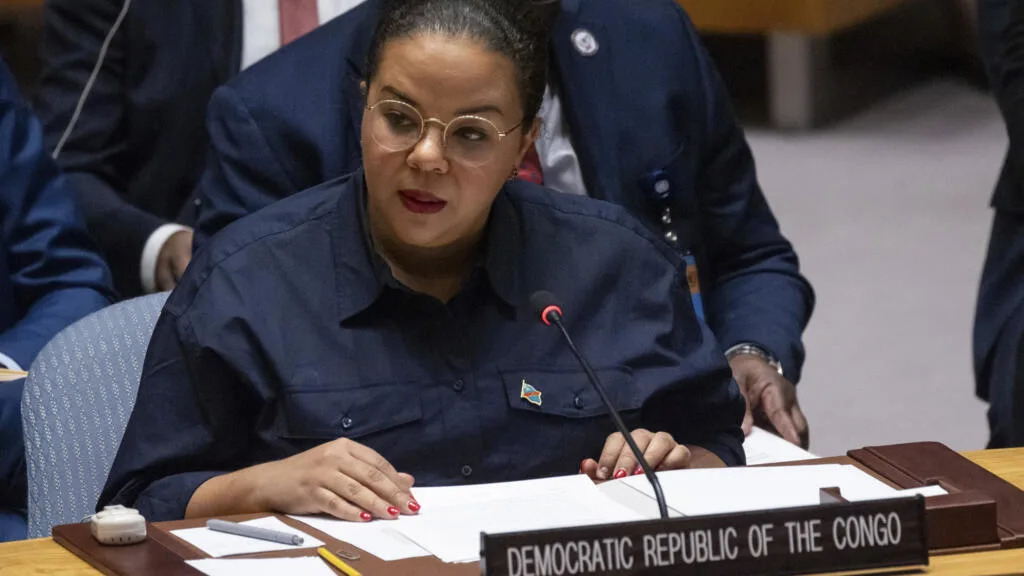
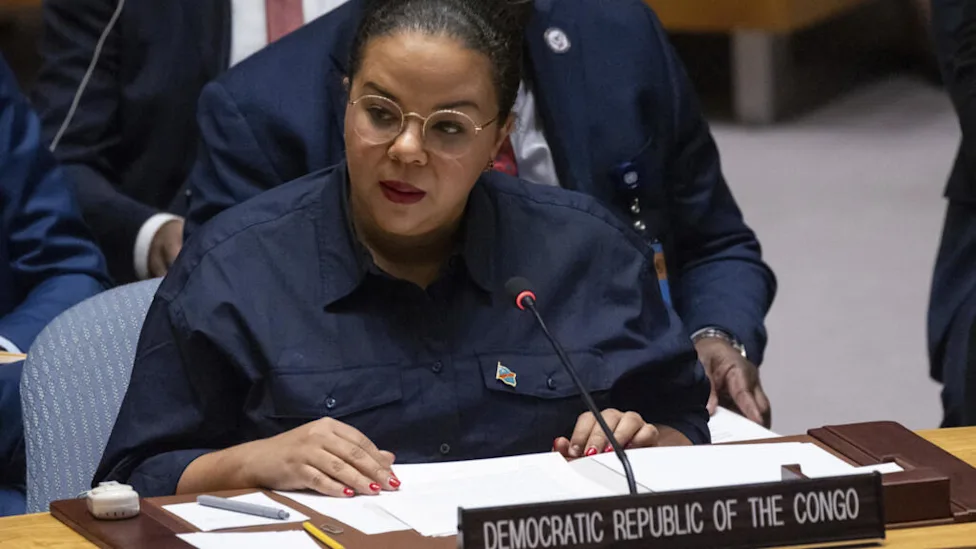
The Democratic Republic of the Congo (DRC) has raised a critical issue at the United Nations, highlighting the direct connection between natural resource exploitation and ongoing armed conflicts in the region. During a high-level meeting at the UN Security Council, Foreign Minister Thérèse Kayikwamba Wagner emphasized that the focus should be on strengthening existing mechanisms rather than imposing new international obligations.
Kayikwamba Wagner made it clear that the goal was not to introduce a global mining code or undermine the sovereignty of nations over their own resources. Instead, she advocated for improved traceability, targeted sanctions, and better governance to prevent resources from fueling violence.
Global powers clash over mineral governance
France reiterated its stance by supporting the implementation of UN Resolution 2773, specifically targeting the eastern DRC. It pointed out that the M23 armed group controls between 15% and 30% of global coltan production in Rubaya, calling for stricter traceability and sanctions to disrupt funding channels.
The United States shifted focus toward securing supply chains for critical minerals and investing in sustainable extraction practices. Meanwhile, China stressed the importance of respecting state sovereignty and avoiding politicization of the debate.
Russia took a more assertive position, arguing that conflicts stem primarily from political instability and external interference rather than a lack of international regulations. These differing viewpoints underscored the deep divisions among major powers regarding the global governance of natural resources.