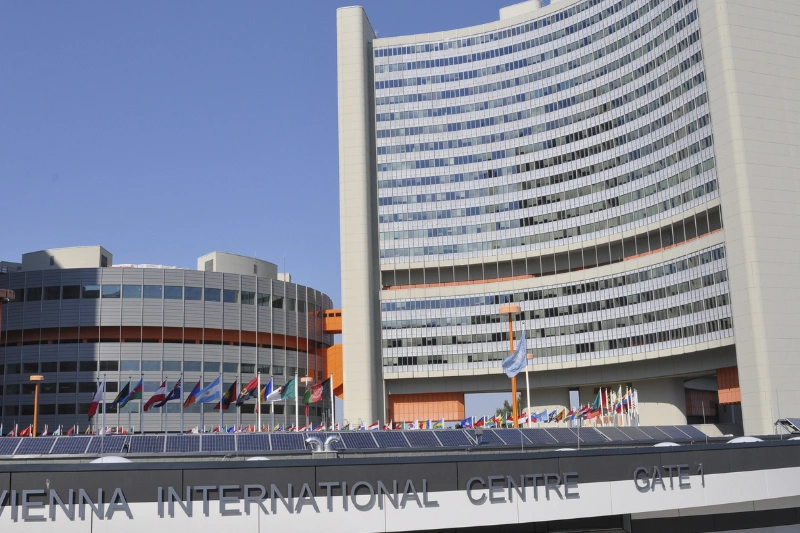
After a decade-long journey, Gabon has officially met the standards set by the United Nations Office on Drugs and Crime (UNODC) for combating corruption. During an intensive review session held in Libreville from June 29 to July 1, 2026, Séraphin Ondoumba, the UNODC focal point for Gabon, confirmed the country’s successful validation of the second round of the United Nations Convention against Corruption implementation review mechanism.
This milestone, outlined in the 2011 resolution 3/1 adopted in New York, highlights Gabon’s sustained efforts led by the National Commission against Corruption and Illicit Enrichment (CNLCEI), chaired by Nestor Mbou. The nation now stands fully compliant with international anti-corruption benchmarks.
New role in global anti-graft efforts
Gabon is no longer merely an evaluated state. Selected alongside Uruguay by the UNODC secretariat, Gabon has transitioned into an examining state, entrusted with assessing the Republic of Seychelles on key chapters of the Convention—specifically Chapter II on preventive measures and Chapter V on asset recovery. This development underscores Gabon’s growing influence in international anti-corruption cooperation.
Pathway to structural reforms
The UNODC review process has paved the way for transformative reforms in Gabon, including:
- Strengthening the legal framework before, during, and after evaluations
- Enhancing inter-institutional dialogue and coordination
- Building institutional capacity and expertise
- Fostering knowledge-sharing and peer learning
- Identifying gaps in technical assistance and funding needs
These advancements reinforce Gabon’s unwavering commitment to eradicating corruption and fostering transparency.