Gabon’s bold plan to turn mining wealth into local economic power
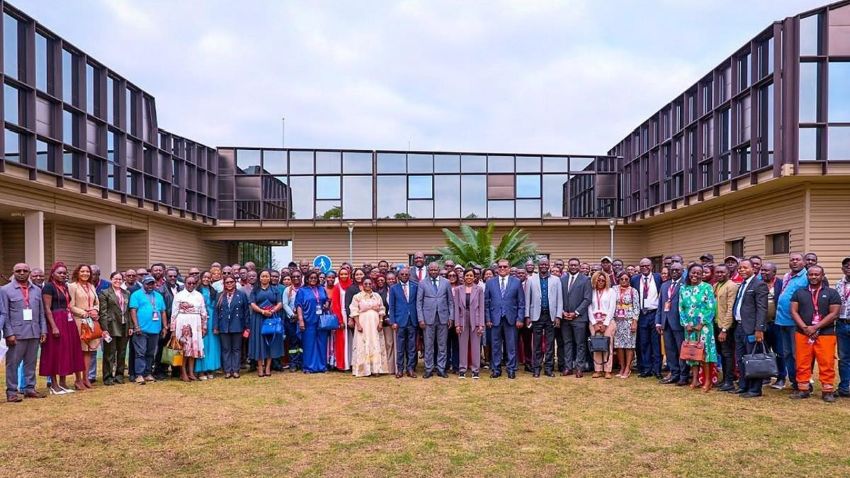
Libreville, July 17, 2026 – For generations, African nations rich in mineral resources have faced a persistent paradox: while abundant wealth is extracted from national soil, much of the added value, skilled employment, and industrial opportunities flow abroad. Gabon is now determined to break this cycle.
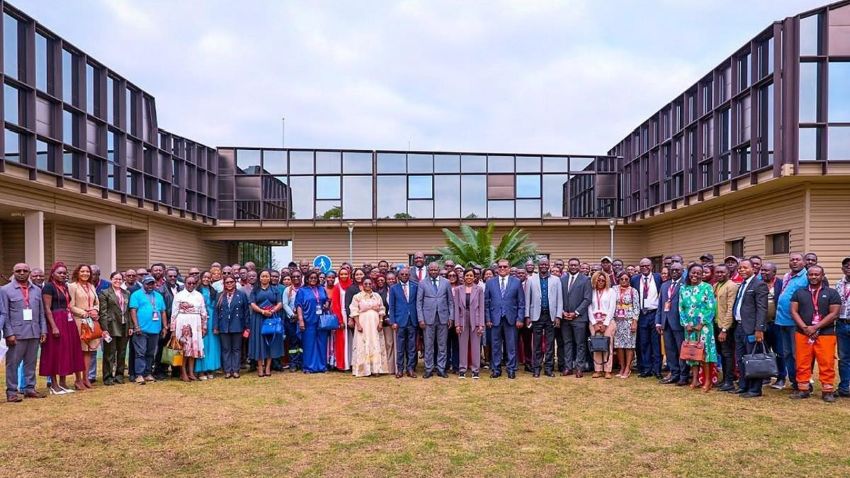
Under the leadership of Minister of Entrepreneurship, SMEs, and Youth Entrepreneurship Zénaba Gninga Chaning, government officials, private sector representatives, financial institutions, and mining operators have launched a strategic initiative centered on local content development—now positioned as a cornerstone of the country’s economic transformation.
For Compagnie Minière de l’Ogooué (Comilog) and the Eramet Group, this is no longer just about meeting regulatory requirements. The goal is far more ambitious: to permanently convert mining revenue into homegrown expertise, competitive enterprises, skilled jobs, and shared prosperity.
The shift is clear: the focus is no longer merely on extracting ore, but on ensuring that an ever-greater share of the wealth generated remains within Gabon’s borders and directly benefits its people.
Moving beyond traditional extraction models
The concept of local content is gaining traction as a key economic discussion among resource-rich nations. While its principle is straightforward, implementation is complex. Each mining investment must now serve as a catalyst for the growth of domestic businesses, local skills, and national industrial capabilities.
Initially, contracts awarded to local firms represent just the starting point. The real ambition is to nurture homegrown champions capable of innovation, exporting their expertise, and competing in regional and global markets.
A recent workshop on this topic highlighted several persistent barriers hindering the rise of Gabonese SMEs. Chief among these are limited access to financing, complex administrative and tax compliance hurdles, a lack of market visibility, certification challenges, and a shortage of specialized skills.
Participants also emphasized the need to improve the business climate and strengthen collaboration between government agencies, businesses, banks, training institutions, and employer organizations.
Building an ecosystem, not just a market
What sets this initiative apart is its methodology. Drawing inspiration from Design Thinking principles, it prioritizes solutions rooted in real-world challenges rather than top-down directives. Extensive consultations have brought together public agencies, banks, microfinance institutions, professional bodies, and training centers in a collaborative co-creation process.
This marks a fundamental shift in industrial policy. Local content cannot succeed if it relies solely on contractual obligations imposed on large mining firms. Instead, it requires the emergence of a robust economic ecosystem capable of meeting international standards in quality, safety, competitiveness, and governance.
Human capital development is therefore central to the strategy. Technical training, professional certification, mentorship, knowledge transfer, and SME professionalization form the invisible infrastructure of economic sovereignty. All participants agreed that no local content policy can thrive without substantial investment in national talent.
Early progress and room for growth
Figures from Compagnie Minière de l’Ogooué show tangible progress. The company now works with 780 local suppliers and service providers, nearly three-quarters of which are Gabonese-registered businesses. Over 37% of its procurement is sourced domestically, injecting nearly 56.8 billion CFA francs directly into the national economy.
Subcontracting activities also support more than 3,000 direct jobs within partner firms. While these results demonstrate real momentum, they remain modest compared to Gabon’s vast mining potential.
The shared vision now is to scale up rapidly: more locally retained wealth, stronger SMEs, thousands of new skilled jobs, a reinforced talent pool, and enduring public-private partnerships. Local content is no longer just an industrial policy—it is fast becoming a national project for economic transformation.
In a world where critical raw materials are increasingly a geopolitical battleground, the nations that succeed tomorrow will not be those that extract the most resources, but those that transform them into enterprises, expertise, technology, and lasting prosperity. Gabon appears determined to belong to this second group.