
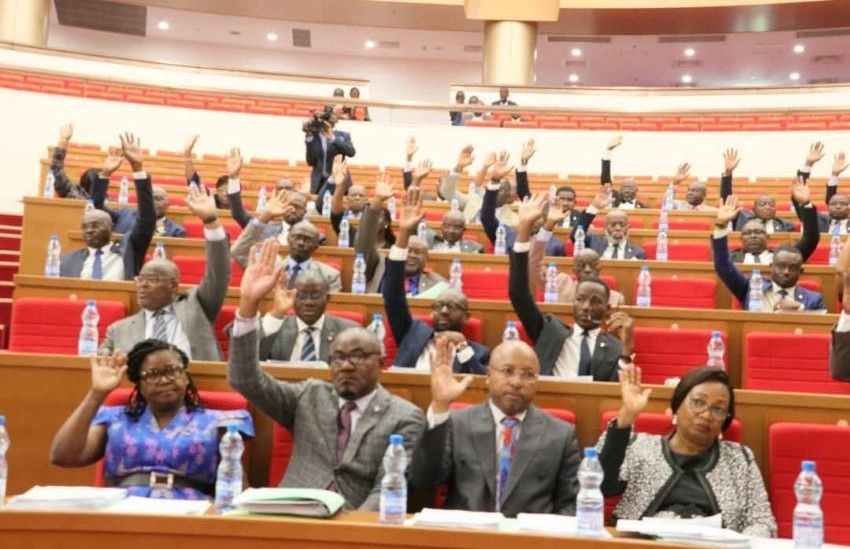
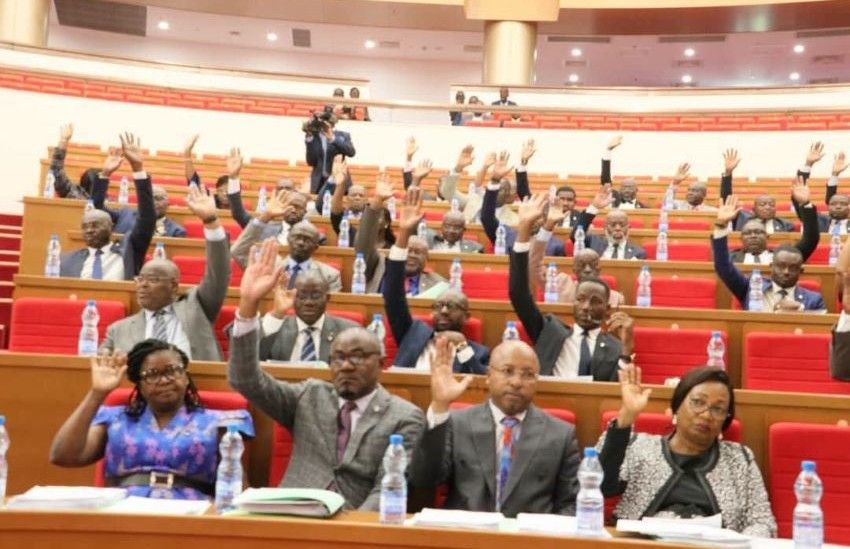
Libreville witnessed a landmark political event as the National Assembly of Gabon unanimously passed eighteen separate bills during a single plenary session. This massive legislative output serves as a clear indication of the country’s commitment to a deep institutional transformation under the 5th Republic.
A comprehensive legal transformation
The new legislative package addresses critical sectors including digital technology, national identity, land rights, and media regulation. By modernizing these areas, Gabon aims to strengthen its administrative efficiency and enhance its economic appeal. Presided over by Michel Régis Onanga M. Ndiaye at the Palais Léon-Mba, the session saw deputies align with the government’s vision to overhaul the state’s structural architecture.
Modernizing institutions and the media
Among the key reforms is the restructuring of the High Authority for Communication (HAC). As the media landscape evolves with digital expansion, this institution is being repositioned to better regulate content and navigate the complexities of modern information flow. Additionally, the Assembly ratified a new Nationality Code, providing an updated legal framework for identity and belonging in an increasingly mobile world.
The reform of land ownership rights was another highlight. For Gabon, securing land titles is viewed as a fundamental requirement for attracting international investment, managing urban growth, and fostering national wealth creation.
Strengthening the rule of law
The unanimous support for these texts reflects a shared institutional desire to bolster the rule of law. By aligning legal instruments with current technological and social realities, the government seeks to provide a stable and predictable environment for both citizens and businesses. International investors often prioritize regulatory clarity, and these updates are designed to make Gabon a more competitive destination on the global stage.
Government representatives praised the deputies for their diligence and sense of responsibility during the debates. This cooperation highlights a unified approach to the structural reforms that have been underway for several years.
Moving toward implementation
While the passage of these laws is a significant milestone, the focus now shifts toward execution. The effectiveness of these reforms will ultimately depend on how well they are applied by administrative bodies and the judiciary. The real test of this legal refoundation lies in its practical impact on the ground.
As the current parliamentary session nears its end, eight additional bills remain under review in various committees. Their eventual adoption will further solidify the nation’s new normative framework. Through this decisive action, the National Assembly has reaffirmed its role as a cornerstone of Gabon’s modernization, using legislative reform as a primary engine for social and economic development.
You may also like
-
Togo: unaddressed child fatalities under Faure Gnassingbé’s governance
-
Minembwe: a military and political turning point in the south kivu conflict
-
Haut-Uele governorate refutes claims of bakomito-nangaa complicity amid security concerns
-
RDC : la CENCO dénonce la collaboration police-Force du progrès dans la répression des manifestations de l’opposition
-
Burkina Faso’s financial realities confront self-reliance rhetoric