
africa
France-Tchad military ties raise sovereignty concerns under Déby
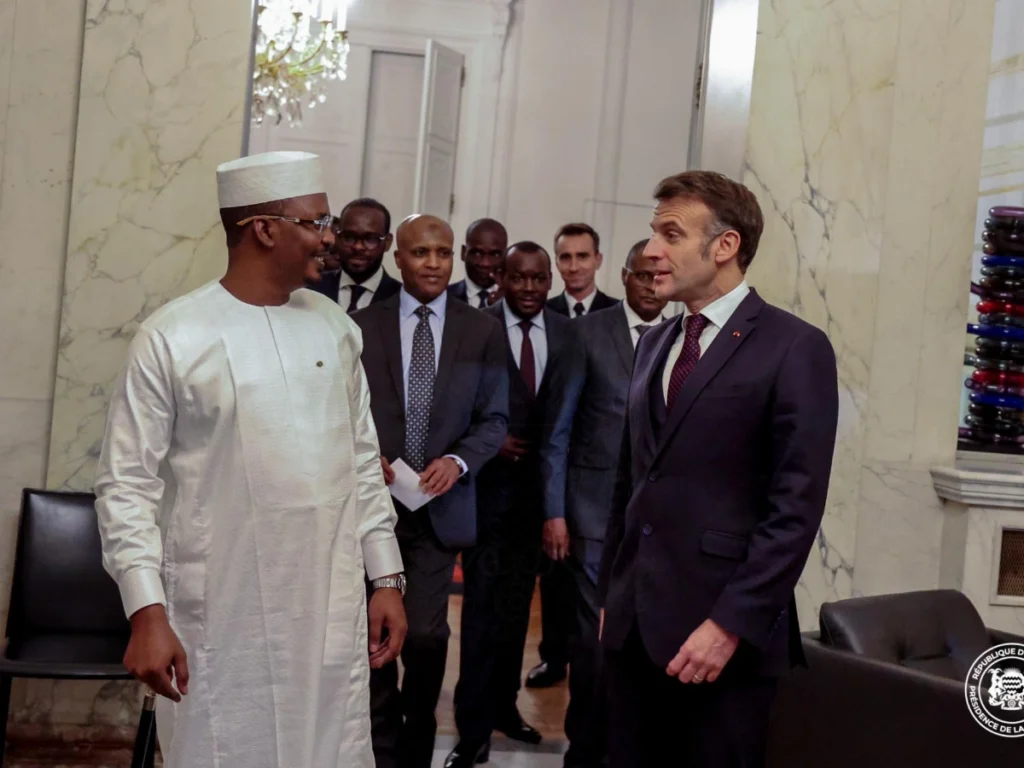
Reports detailing the return of French military officers to Chad have sparked intense debate about the implications for President Mahamat Idriss Déby Itno’s sovereignist credentials.
Military cooperation revival between France and Chad
Recent reports have confirmed the return of several French military officers to N’Djamena since mid-April, marking a significant shift in security cooperation between the two nations. While Paris denies plans for permanent troop redeployment, even limited military collaboration and intelligence sharing are raising eyebrows about President Mahamat Idriss Déby Itno’s sovereignist narrative.
Sovereignty vs strategic partnership: a delicate balance
The announcement of French officers’ return comes just two years after Chad celebrated the historic departure of French forces—a move widely touted as a victory for national sovereignty and strategic independence. President Déby framed the decision as a win for panafricanism and a rejection of foreign dependence, aligning with growing regional trends favoring balanced international partnerships.
However, the resumption of military ties with France, even in a reduced capacity, risks undermining this narrative. Critics argue that the decision contradicts earlier justifications for ending French military presence, which included public pressure and a lack of tangible results from the partnership.
Regional credibility at stake
Over the past two years, Chad has positioned itself as a key regional security player, leveraging cooperation with neighboring states and diversifying international partnerships. President Déby has also presented himself as an essential mediator in Sahel stabilization efforts.
Yet, the re-engagement with French intelligence could damage this carefully cultivated image. Observers suggest that N’Djamena’s decision to seek French support may signal an inability to achieve strategic autonomy, despite rhetoric advocating self-reliance.
A move that risks public backlash
Public sentiment played a crucial role in the initial withdrawal of French forces, with widespread protests demanding their departure. Any perceived reversal could trigger renewed discontent, particularly among those who viewed the withdrawal as a hard-won sovereign achievement.
France’s shifting stance: from critic to partner
The paradox deepens when considering France’s recent actions toward Chad’s leadership. In July 2024, French authorities raised allegations of embezzlement and misuse of public funds against President Déby and his family, involving luxury hotels, high-end vehicles, and expensive attire. These cases resurfaced in March 2026, accompanied by speculation about potential asset freezes.
Additionally, France hosted a major gathering of Chad’s political and military opposition in Nantes last October, where nearly 20 organizations coordinated efforts against N’Djamena’s authorities. Paris also played a significant role in the Succès Masra case, facilitating his medical transfer to France and highlighting the issue in French and European parliamentary forums.
Security needs vs political cost
While Chad faces escalating security threats along its borders and in the Lake Chad region, the question remains whether the benefits of renewed cooperation with France outweigh the political and symbolic costs. President Déby’s legitimacy hinges on a narrative of sovereignty and rejection of foreign dependence—any military collaboration with France risks undermining this foundation.
As the debate intensifies, one question looms large: How can Chad justify re-engaging with a partner that has openly criticized its regime, supported the opposition, and applied pressure through legal and media channels, only to be rebranded as an indispensable security ally?
You may also like
-
Burkina Faso : Ibrahim Traoré et sa « milice numérique »
-
US-Morocco ties: from historic alliance to modern diplomacy
-
Paul Biya’s Prolonged Absence: Is It Business as Usual in Cameroon?
-
Burkina Faso, Mali and Niger bid for can 2032 amid deepening insecurity
-
Esclavage arabe en Afrique : Ibrahim Traoré brise un tabou et s’attaque à l’islam radical