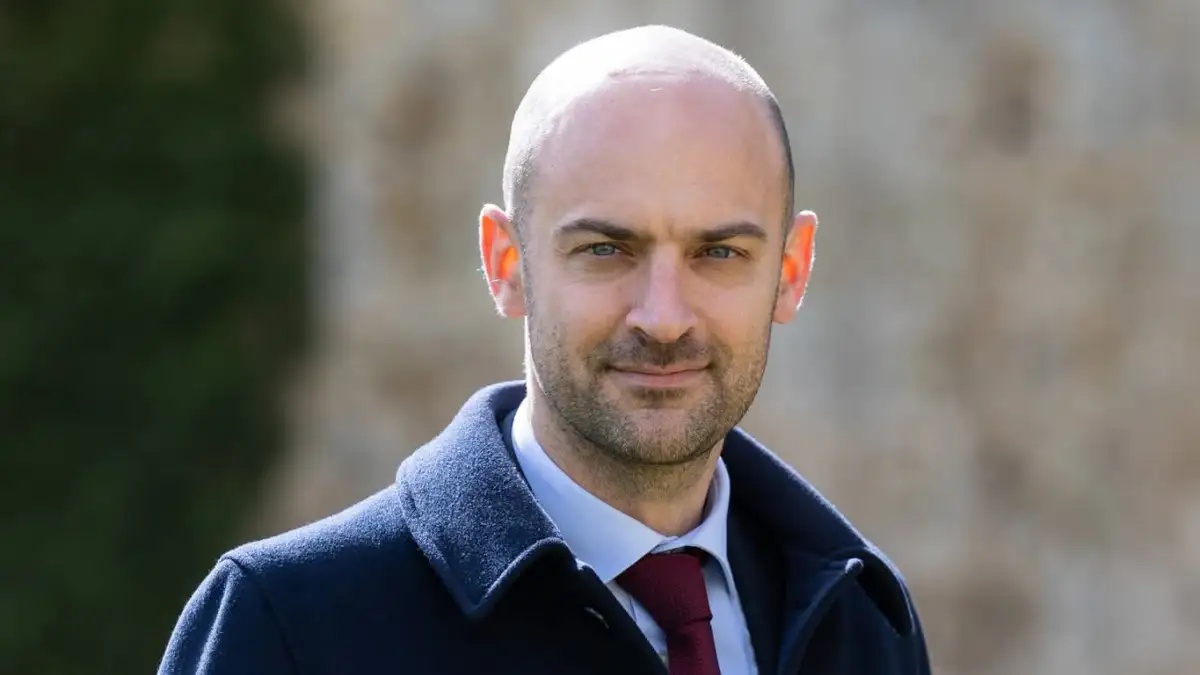
In a bold diplomatic move, France has announced plans to introduce a United Nations resolution aimed at ending the criminalization of LGBTQ+ individuals worldwide. Jean-Noël Barrot, France’s Minister of Europe and Foreign Affairs, revealed on social media that Paris would table the proposal at the UN Human Rights Council, marking a direct response to recent legislative shifts in West Africa.
This initiative follows the enactment of a stringent anti-LGBTQ+ law in Senegal, where President Bassirou Diomaye Faye signed legislation in March that significantly expands penalties for same-sex relationships. Under the new measures, prison sentences for “unnatural acts” have doubled from five to ten years, while fines have surged tenfold to reach ten million West African CFA francs. Additionally, the bill criminalizes advocacy, support, or funding for LGBTQ+ rights, framing such activities as threats to national sovereignty.
Diplomatic tensions escalate over Senegal’s controversial law
The passage of the law on March 11 by Senegal’s National Assembly—unanimously approved with no dissenting votes—prompted swift international condemnation. Volker Türk, the UN High Commissioner for Human Rights, publicly urged Dakar to reconsider, warning that the legislation violated global human rights commitments. Meanwhile, Pascal Confavreux, spokesperson for France’s foreign ministry, confirmed that senior French and Senegalese officials had engaged in discussions on April 16, with Barrot directly raising the issue with his counterpart, Cheikh Niang.
French national detained under Senegal’s new law
The diplomatic friction has been further heightened by the detention of a French citizen in Dakar since February 14. Consular officials report that they have visited the detainee on four occasions and remain in contact with his family. The situation took a dramatic turn on April 10 when a Senegalese court sentenced a 24-year-old local man to six years in prison under the same legislation, underscoring the law’s immediate enforcement.
Global human rights organizations report that 62 countries still criminalize consensual same-sex relationships, with eleven imposing the death penalty. While France’s resolution seeks to challenge this trend, the timeline for its consideration at the UN Human Rights Council in Geneva remains undisclosed.