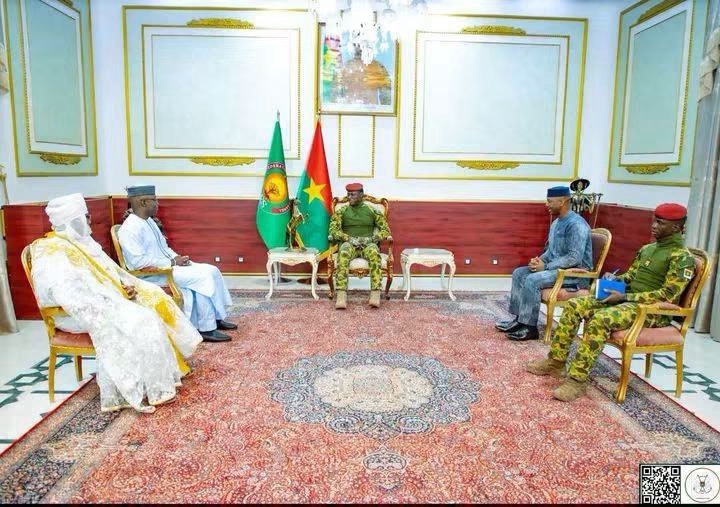
The Confederation of Sahel States (AES) is moving forward with the structural development of its governance bodies. In Ouagadougou, the heads of the national assemblies of Burkina Faso, Mali, and Niger convened with the President of the Confederation, Captain Ibrahim Traoré. The meeting served to establish the strategic direction required before the official inauguration of the new Confederal Parliament.
Following the deliberations, officials indicated that the appointment of deputies is expected shortly, which will facilitate the opening session of this legislative body. The primary mandate of the Confederal Parliament involves representing the citizens of the three member nations, supporting the initiatives of AES institutions, and strengthening the shared political framework adopted by the regional leadership.
A new institutional milestone
This development represents a significant phase in the institutional architecture of the Alliance of Sahel States. Having transitioned away from ECOWAS, the member countries are now focused on building autonomous organs of governance to manage their collective interests independently.
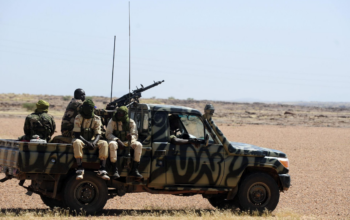
However, this political momentum coincides with a period of severe regional instability. In recent weeks, Burkina Faso, Mali, and Niger have faced a sharp increase in jihadist insurgencies. These attacks, some of unprecedented scale, have led to heavy losses for both national defense forces and civilian populations.
Debates over strategic priorities
The decision to prioritize the formation of a parliament during such a volatile period has drawn scrutiny. While high-level legislative leaders are mobilizing to finalize political structures, there has been a perceived lack of similar high-profile summits dedicated exclusively to addressing the deteriorating security environment. This discrepancy has led to internal questions regarding the administration’s current hierarchy of priorities.
Critics suggest that while a confederal assembly may be beneficial for long-term integration, the immediate urgency of the security crisis remains the most pressing concern for the population. There is a growing sentiment that the focus on political restructuring might be disconnected from the daily realities of citizens who are demanding more robust protection against persistent threats.
Furthermore, this institutional shift is viewed by many as a definitive step toward a more fragmented West Africa. By establishing its own sovereign institutions, the AES is asserting its complete autonomy. While this reinforces the alliance’s internal cohesion, it also risks deepening the divide with the rest of the region, potentially hindering future broad-scale political and security cooperation.