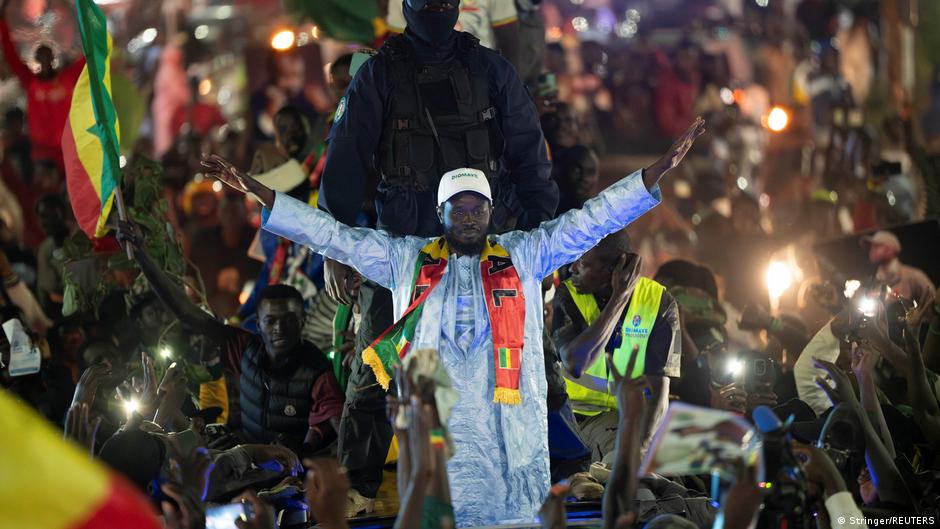
In his hometown of Mbour, the presidential coalition “Diomaye Président” made a deliberate move to signal a shift in its relationship with the Pastef movement. This strategic pivot comes as President Bassirou Diomaye Faye seeks to carve out a distinct political identity, two years into his term.
asserting a new presidential vision
President Faye’s recent actions suggest a deliberate effort to distance himself from the party that propelled him to power in 2024. During a high-profile interview in early May, he criticized what he described as an “excessive personalization” of the political project, widely interpreted as a subtle challenge to Pastef leader Ousmane Sonko’s dominant influence in Senegalese politics.
The meeting in Mbour was billed as a routine progress update, but it carried significant political weight. For observers, it represented a calculated attempt to consolidate a “Diomayiste” movement—one tied to the presidency rather than the grassroots structure of Pastef. This shift underscores the constitutional hierarchy in a system where the president holds ultimate executive authority.
testing appeal beyond pastef strongholds
The choice of Mbour as the venue was no coincidence. As both a political stronghold and a secure testing ground, it allowed the coalition to demonstrate its popular support beyond the confines of Pastef’s traditional networks. While the president himself was notably absent—addressed by a recorded message—his team emphasized the event’s success in drawing a substantial crowd at the Caroline-Faye stadium.
Analysts see a dual purpose: proving an independent power base while preparing public opinion for potential political realignments ahead of the 2029 presidential election. The stakes are high, with some coalition figures already urging Faye to seek a second term—a move that could either reinforce stability or deepen divisions within the ruling alliance.
navigating a fragile alliance with sonko
The relationship between Faye and Sonko has grown increasingly strained, marked by key dismissals, a reshaping of presidential communications, and disputes over control of the coalition. While an open rupture could destabilize the majority, a murky cohabitation risks eroding public confidence in the government’s ability to deliver on its promises.
On the policy front, Faye faces mounting expectations: youth employment, rising living costs, judicial reforms, and economic governance remain pressing concerns. Despite some progress highlighted by the administration, delayed reforms and economic constraints—including tight budgets and rising debt—have fueled growing impatience among Senegalese citizens.
a turning point for the presidency
Far more than a simple rally, the Mbour event signals a critical inflection point in Faye’s presidency. It marks his transition into a more traditional, yet riskier, phase of leadership—one where he must balance political loyalty, institutional authority, and long-term strategy. The question now is whether this differentiation will solidify his base or trigger a lasting crisis within the majority, especially in a country where unity has long been touted as the foundation of the “breakthrough” promised in 2024.