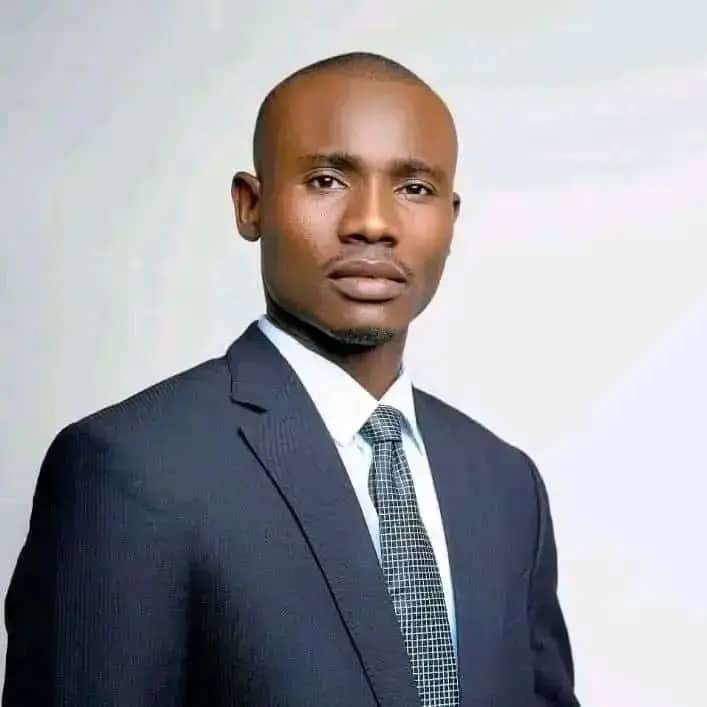
The political landscape in Chad has been rocked by recent judicial decisions. The Supreme Court’s decision to dissolve the GCAP political alliance and the subsequent eight-year prison sentences handed down to its eight top leaders have left the organized opposition reeling. According to political analyst Abouna Alhadj, these developments are just the surface-level consequences of a deeper crisis: the opposition’s struggle to reinvent itself and unite against a regime that has firmly established its own priorities.
immediate repercussions on opposition unity
“The immediate impact is the weakening of what remains of the opposition,” states Abouna Alhadj bluntly. He notes that the GCAP leaders, upon their arrest, accepted the dissolution and abandoned planned protests. This reaction raises questions about the movement’s organizational strength—or perhaps its political strategy. “Could GCAP have aimed to expose the system, revealing its true nature?” he wonders.
unclear long-term strategy for opposition recovery
For the analyst, the GCAP’s brief reappearance after a long silence and its immediate repression may have been an attempt to highlight the regime’s authoritarian tendencies. “If this was a strategy, the key question is whether it will succeed,” he cautions.
fragmented opposition struggles to find common ground
The political analyst also highlights a severe fragmentation within the opposition. “The opposition cannot agree on fundamental principles,” he observes, noting that the GCAP leaders’ arrests elicited little support from other political parties. He argues that the regime has successfully shifted the national conversation toward security, social cohesion, and national unity, leaving little room for dissent. “If your actions don’t align with these priorities, you’re crushed—and it seems to be widely accepted,” he explains.
Some opposition factions, in an effort to align with the regime’s agenda, have distanced themselves from more radical groups, further diluting collective opposition efforts.
searching for new leadership in a shifting political climate
When asked about potential new leaders, Abouna Alhadj remains cautious. He points to the Reformist Party and other formations still active in the political sphere but stresses that the solution lies beyond individual figures. “These remnants of the opposition can only gain ground if they reorganize,” he asserts.
He believes a new generation of leaders is inevitable, drawing an analogy to historical resilience. “History shows that where there’s a problem, there’s always a solution. As Michel de Certeau said, when all doors are closed, a window will always appear,” he remarks.
call for international intervention and solidarity
Abouna Alhadj also urges the dynamic Chadian diaspora to amplify advocacy efforts in international institutions. He calls on Chad’s partners to take action. “The UN, African Union, and international partners must urgently address the situation in Chad. In the 21st century, arbitrary arrests and convictions without fair trial guarantees cannot be tolerated,” he emphasizes.