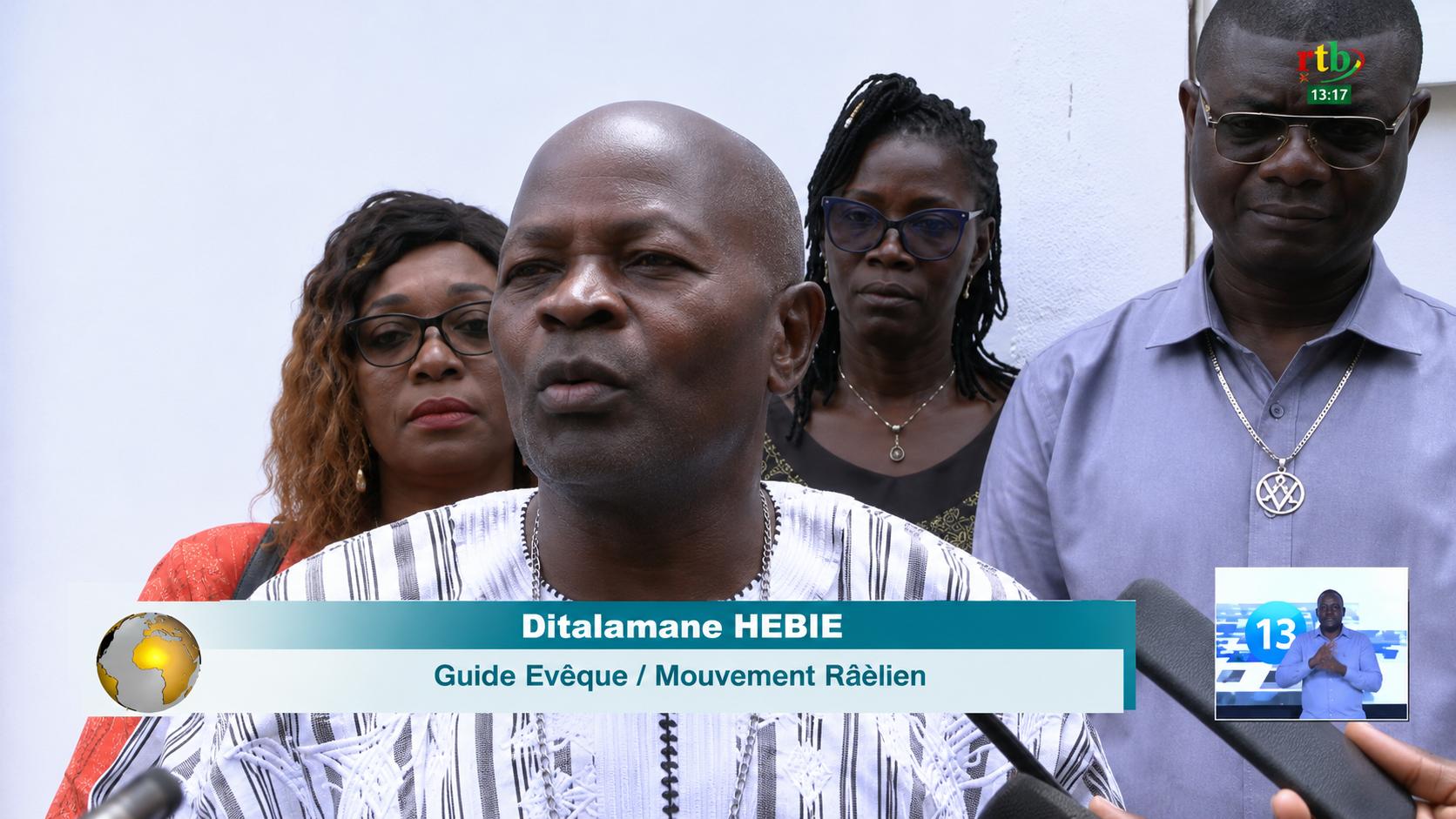
A recent announcement by a Burkinabè movement regarding the establishment of an “embassy for extraterrestrials” has ignited a wave of public discourse. Presented as a means to reinforce national sovereignty, the proposal has been widely discussed on social media, where many observers view it as a reflection of the current political and media environment in Burkina Faso.
A disconnect from national priorities
The initiative has faced significant backlash from critics who find it difficult to reconcile such a proposal with the country’s urgent realities. As Burkina Faso continues to navigate profound security, economic, and social challenges, many argue that introducing this topic into the national debate suggests a disconnect from the daily struggles of the population. For these commentators, the focus on hypothetical scenarios appears out of step with the immediate needs of the nation.
The proponents of the project, however, have put forward several unconventional arguments. They claim that an embassy dedicated to extraterrestrial beings would serve as a protective shield for Burkina Faso. Additionally, they suggest the project would stimulate economic growth through tourism and provide a unique pathway to strengthening the country’s independence.
Skepticism and public discourse
These assertions have left many analysts deeply skeptical. Given the lack of concrete evidence or verifiable foundations, there is widespread confusion as to how such a theory could be treated as a credible prospect in public discussions. Opponents argue that linking national security and economic development to the hypothesis of extraterrestrial protection undermines the seriousness of the issues facing the state.
Some observers suggest that since Captain Ibrahim Traoré assumed leadership following the 2022 coup, the public arena has seen an increase in initiatives that appear increasingly distant from national emergencies. To these critics, the embassy controversy is symptomatic of a shift in priorities and raises questions about the country’s strategic direction.
Distinguishing private initiatives from state policy
On the other hand, some voices point out that the declarations of a specific movement or organization do not necessarily reflect the official position of the Burkina Faso government. They argue for a clear distinction between individual or group initiatives and the actual policies implemented by the state authorities.
For those focused on tangible progress, the true pillars of sovereignty remain rooted in strengthening institutions, ending insecurity, creating employment, and developing infrastructure. From this perspective, discussing extraterrestrial protection or speculative tourism benefits only serves to divert attention from the critical tasks at hand.
Ultimately, this controversy has reopened the debate on the very definition of sovereignty. For many, a nation’s independence is built on its capacity to ensure the safety of its people, grow its economy, and improve living conditions through concrete actions rather than through highly speculative ventures.