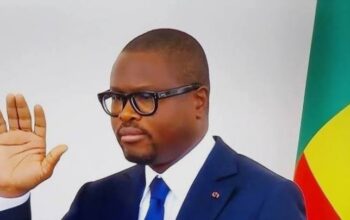
Ivorian President Alassane Ouattara recently held pivotal meetings with two distinct yet strategically aligned figures: Ousmane Diagana, the World Bank’s Vice President for West and Central Africa, and Philippe Van De Vyvère, the CEO of Belgian maritime group Sea-Invest. These high-level discussions, hosted at the presidential palace in Abidjan, underscore the dual economic trajectory the head of state aims to pursue during his new term: reinforcing alliances with multilateral financial institutions and attracting increased European private investment to Côte d’Ivoire’s vital port infrastructure.
World Bank: a renewed partnership for Côte d’Ivoire’s development
The dialogue with Ousmane Diagana signifies the ongoing strength of a relationship crucial for financing Côte d’Ivoire’s development. The World Bank’s extensive portfolio in Côte d’Ivoire ranks among the largest in the West Africa sub-region, encompassing significant commitments to education, social welfare, rural infrastructure, and climate resilience initiatives. This visit by the Mauritanian official comes as Abidjan navigates negotiations for its upcoming cycles of budgetary support, amidst a regional environment characterized by tighter financing conditions.
For the Ivorian government, this engagement also carries considerable political weight. It sends a clear signal to international markets and bilateral partners: the nation’s economy remains firmly anchored to the standards of Bretton Woods institutions, at a time when several neighboring countries in the Sahel have either severed or loosened these ties. Côte d’Ivoire, recognized as the leading economy within the West African Economic and Monetary Union (UEMOA), continues to demonstrate robust growth, yet it must contend with escalating budgetary pressures stemming from debt servicing and the substantial financing required for major infrastructure projects.
Sea-Invest and the competition for the atlantic façade
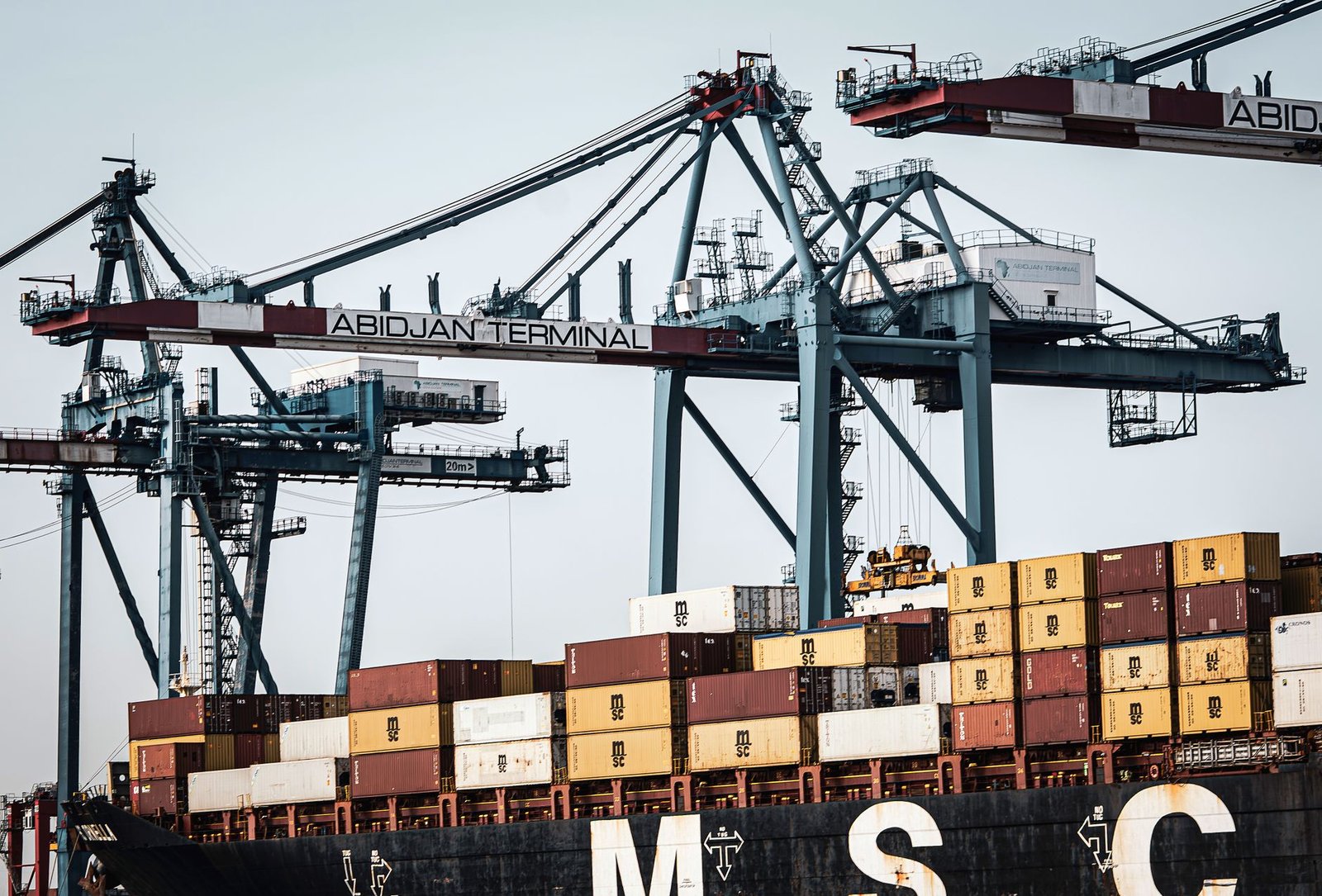
The meeting with Philippe Van De Vyvère operates on a different, yet complementary, strategic plane. The Belgian conglomerate Sea-Invest stands as a prominent private port operator across West and Central Africa, boasting established operations in key locations such as Senegal, Cameroon, and Côte d’Ivoire. Its keen interest in Abidjan stems from the escalating volume of containerized and bulk cargo passing through the autonomous port. This crucial hub facilitates the majority of Ivorian foreign trade and a substantial portion of freight destined for landlocked nations like Mali and Burkina Faso.
Competition within this maritime sector remains fierce. Global players such as the Philippine group ICTSI, the French entity AGL (formerly Bolloré Africa Logistics, now under MSC’s banner), and Denmark’s APM Terminals actively vie for lucrative port concessions across the Gulf of Guinea. In this dynamic landscape, the entry or expansion of an independent European player like Sea-Invest offers Abidjan valuable diversification, both economically and geopolitically. Ivorian authorities are actively working to prevent excessive reliance on any single operator, especially as cargo volumes processed at both San Pedro and Abidjan continue to climb year after year.
A dual-pronged economic diplomacy
These two high-profile audiences, conducted mere hours apart, illustrate the sophisticated diplomatic framework of the Ivorian presidential palace: simultaneously leveraging concessional multilateral funding and European private capital. This intricate strategy gains even greater significance as Côte d’Ivoire enters a post-presidential election political cycle, where international credibility and economic appeal form two fundamental pillars of the stability sought by the executive branch.
While no specific financial commitments were publicly disclosed following these discussions, the sequence of events undeniably affirms the Ouattara administration’s steadfast commitment to maintaining continuous dialogue with crucial financial backers and industrial investors keen on transport infrastructure. It remains to be seen how these strategic signals will manifest in the forthcoming budget law and the schedule for future port concessions.