Côte d’Ivoire’s economic leadership in UEMOA outpaces Sahel states
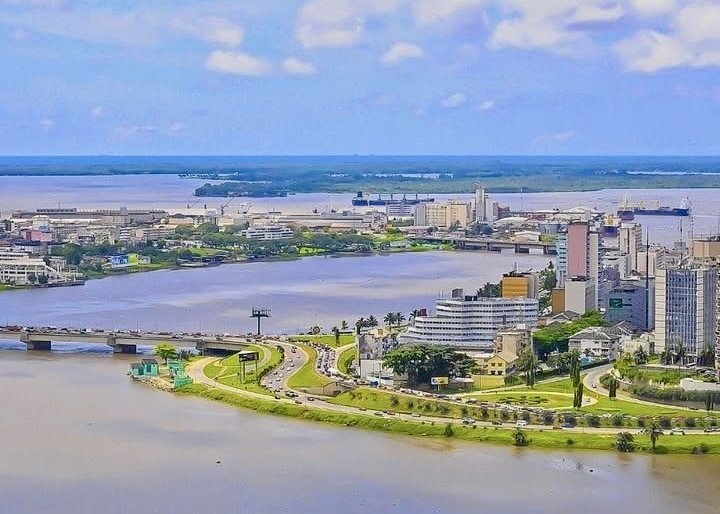
As the leading economy within the West African Economic and Monetary Union (UEMOA), Côte d’Ivoire continues to solidify its regional influence. This robust position stems from a unique confluence of factors rarely observed in the sub-region: a thriving domestic market, state-of-the-art infrastructure, a prominent port sector, and an investment capacity that significantly surpasses its neighbors. These indicators firmly establish Abidjan as one of the African continent’s foremost economic centers.
- Politique

With public investments exceeding 4,195 billion FCFA, Côte d’Ivoire firmly maintains its role as the primary economic engine of the UEMOA. This substantial financial commitment positions the nation well ahead of its regional partners, showcasing its remarkable ability to simultaneously support large-scale projects across infrastructure, transport, energy, and urban development sectors. Budgetary figures reveal the sheer magnitude of this effort. Côte d’Ivoire’s allocation alone substantially outweighs the combined public investment totals from Mali, Burkina Faso, and Niger. These three nations, forming the Alliance of Sahel States (AES), collectively account for approximately 2,100 billion FCFA in planned public investments, roughly half the volume mobilized by Abidjan, underscoring the significant disparity in economic scale within the West Africa Sahel region.
Côte d’Ivoire’s economic prominence is equally striking when viewed against the entire UEMOA community. Commanding nearly 44% of all programmed public investments within the union, the nation single-handedly concentrates a considerable share of resources earmarked for regional economic development. Its investment envelope is almost three times larger than that of Bénin, more than four times that of Sénégal, and several dozen times greater than Guinée-Bissau’s, highlighting its role as a key economic powerhouse.
This impressive financial capability is rooted in the sheer size of the Ivorian economy, which currently stands as the largest within the Union. According to economist Nouvou Berté, who specializes in political economy and international finance, this significant advantage is largely attributable to the expansive national market, robust tax revenues, and privileged access to financial markets. These crucial levers empower Côte d’Ivoire to fund ambitious programs in sectors deemed vital for its ongoing economic transformation. A per capita analysis further emphasizes the substantial resources mobilized, with Côte d’Ivoire allocating approximately 116,500 FCFA in public investments per citizen, surpassing both Togo and Bénin. The gap becomes particularly pronounced when compared to Sénégal, Mali, Burkina Faso, and Niger.
However, the sheer volume of expenditure does not represent the sole metric of performance. Some nations dedicate a larger proportion of their national budget to investment. Togo and Bénin, for instance, exhibit higher ratios compared to Côte d’Ivoire. This perspective serves as a reminder that beyond the committed amounts, the efficiency of public spending remains a critical determinant. Investments in roads, ports, universities, electrical grids, or industrial zones only yield their intended benefits when projects are executed with precision and genuinely address the economy’s actual needs.
Nevertheless, medium and long-term forecasts reinforce Côte d’Ivoire’s pivotal position in the region. A report released in late 2025 by the Centre for Economics and Business Research (CEBR) projects a significant ascent for Côte d’Ivoire in global economic rankings over the next fifteen years. The British firm estimates that the Ivorian Gross Domestic Product could more than double by 2040. This optimistic projection is underpinned by several inherent strengths. Industrial transformation is gaining momentum, agro-industry remains a cornerstone of the economy, and exports are diversified, encompassing key commodities such as cocoa, gold, and energy. Furthermore, the Autonomous Port of Abidjan continues to play a central role in West African trade, further cementing the country’s status as a regional logistical hub. This consistent growth provides crucial West Africa Sahel news for economic observers.
These various indicators collectively paint a clear picture: Côte d’Ivoire currently possesses the financial resources, infrastructure, and production capacities that allow it to wield greater economic influence within UEMOA than its neighboring states. The ongoing challenge now lies in translating this economic might into sustainable gains for businesses, job creation, and improved living standards for its population.