Congo constitutional reform sparks heated political debate
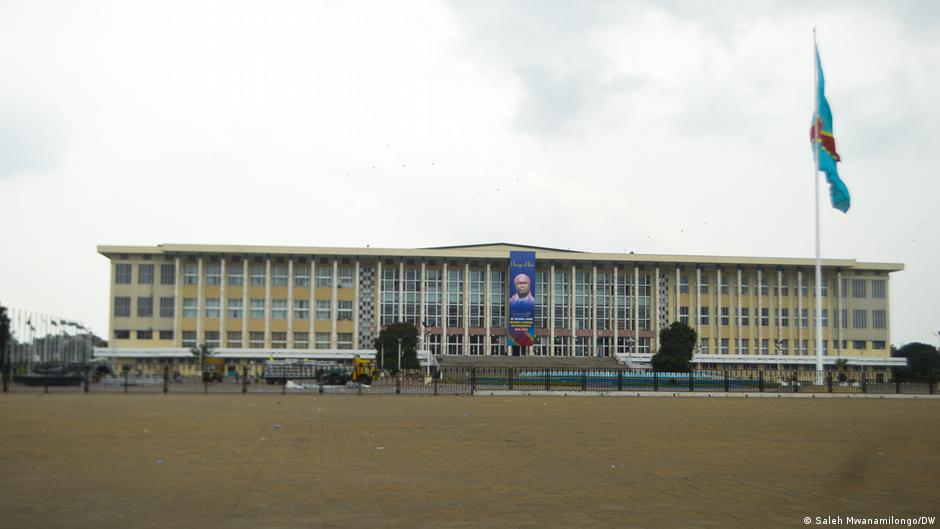
The national assembly’s recent endorsement of a constitutional reform bill has ignited fierce debates across the Democratic Republic of the Congo. On May 27, legislators approved the draft law outlining the procedures for a nationwide referendum, further polarizing the political landscape. While the ruling coalition argues the changes are essential for institutional restructuring, opposition factions view the move as a thinly veiled attempt to extend the current administration’s grip on power.
youth perspectives reveal deep divisions
The constitutional reform debate extends far beyond legislative chambers and opposition podiums. In Kinshasa, the heart of the nation’s youthful demographic, opinions are sharply divided. Some young Congolese see this as a historic opportunity to reshape the country’s institutional foundations and address long-standing governance challenges. Others question the timing of such reforms amid persistent economic hardship and escalating security threats, arguing that immediate social priorities should take precedence.
opposition leader draws red lines
Prominent opposition figure Moïse Katumbi has emerged as one of the most vocal critics of the reform process. In a forceful statement, he declared, “The Constitution isn’t a shirt you change on a whim”, warning that the government is crossing dangerous red lines. Through a candid interview from Brussels, Katumbi directly challenged President Félix Tshisekedi‘s intentions, questioning how the reform aligns with democratic principles and the nation’s long-term stability.
legal challenge emerges as opposition strategy
The coalition C64, uniting several opposition parties including Katumbi’s movement, is set to escalate the confrontation by filing a formal complaint against President Tshisekedi on June 9. The coalition accuses the head of state of attempting to seize power through unconstitutional means, marking a significant intensification in the political standoff. Legal experts like Jonas Ngalamulume caution that while the complaint carries strong symbolic weight, its immediate legal impact may be limited. Nevertheless, it serves as a powerful rallying point for opposition forces and amplifies pressure on government institutions.
As positions harden on all sides, the constitutional reform debate has evolved from a legal discussion into a defining political confrontation. With the nation’s institutional future hanging in the balance, the coming weeks will be critical in determining whether the reform process strengthens democratic foundations or further entrenches existing power structures. The voices of ordinary Congolese, particularly the youth, may ultimately decide which path the country takes.