In the heart of the Sahel, Burkina Faso is witnessing a troubling escalation in restrictions on civic freedoms under its current military administration. The recent arrest of influential imam Mohamed Ishaq Kindo and the suspension of the country’s largest student union, the Union générale des étudiants du Burkina Faso (UGEB), have sent shockwaves through civil society. These developments are not isolated incidents but part of a broader pattern of repression that threatens fundamental rights across the region.
imam Kindo’s arrest sparks outrage
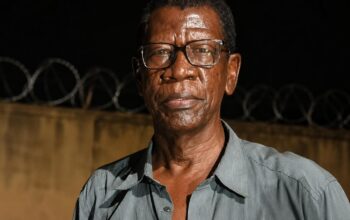
On the eve of Eid al-Adha, witnesses reported seeing masked security forces—police and soldiers—detaining imam Mohamed Ishaq Kindo at his home. Kindo was no ordinary religious figure; he was a prominent voice within Burkina Faso’s Muslim community and, significantly, a former supporter of the current junta leader Ibrahim Traoré. Despite his initial alignment with the military government, Kindo maintained a critical stance, particularly regarding a controversial bill aimed at regulating religious practices, including public prayers.
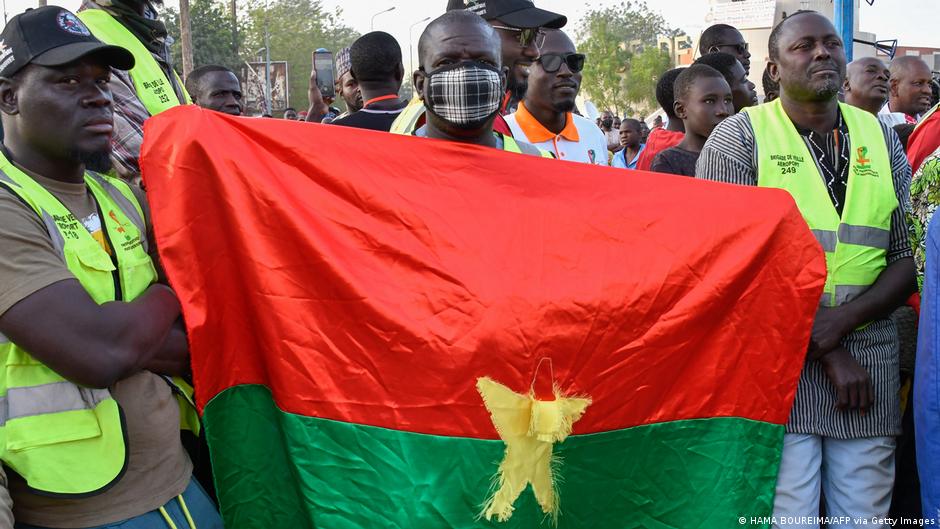
His detention triggered immediate protests, with clashes erupting between followers and security forces, leaving several injured and dozens arrested. The Federation of Islamic Associations of Burkina Faso (FAIB) repeatedly called for calm, yet the situation continued to deteriorate. Adding to the confusion, a fake statement claiming Kindo’s death circulated online before being debunked by the prosecutor general. Some videos circulating purporting to show abuses were flagged by fact-checkers for inconsistencies, raising concerns about the use of artificial intelligence in spreading disinformation.
a voice of citizen vigilance
Burkinabè journalist Newton Ahmed Barry, now in exile, drew a distinction between Kindo and Mali’s imam Mahmoud Dicko. While Dicko is often seen as a political figure, Kindo’s role was more focused on religious and civic oversight as a member of the FAIB, which monitors Islamic doctrine in Burkina Faso. Barry emphasized that Kindo’s criticism stemmed from a commitment to public accountability rather than political opposition.
UGEB suspension: crackdown on student dissent
The military government’s decision to suspend the UGEB for three months—with the possibility of renewal—marks another significant blow to civic freedoms. The union’s president, Bazo Wilfried, and several members were arrested on charges of “glorifying terrorism” and “demoralizing security forces.” The accusations followed the UGEB’s criticism of the government’s handling of the security crisis, which it described as a “civil war” and evidence of “manifest incompetence.”
Mahamadou Idder Alghabid, deputy secretary-general of the Alliance of Sahel Democrats (ADS), condemned the move as part of a regional trend. “It’s laughable to accuse unarmed students of glorifying terrorism,” he stated. “This is a familiar refrain across the Sahel, where any dissent is swiftly labeled as terrorism or collaboration with armed groups. This authoritarian language has become commonplace in the three countries ruled by military juntas.”
a regional pattern of repression
The crackdown in Burkina Faso mirrors similar actions in Mali and Niger, where civic spaces are rapidly shrinking. Human rights advocates warn that the line between political critique, union activity, and criminal offense is increasingly blurred. Organizations are being dissolved, judicial pressure is mounting, and freedom of expression is under severe threat.
Alghabid noted that the juntas’ initial promises of sovereignty and anti-imperialism have failed to materialize. “The propaganda worked at first—promising change and resistance to foreign influence. But today, these regimes are losing credibility as their failures become undeniable. People are waking up to the reality that military rule offers no solutions, only repression.”
resistance persists despite risks
Despite the crackdown, voices of dissent continue to emerge, often from abroad. Barry expressed cautious optimism, suggesting that the regime’s excesses will ultimately undermine its own stability. “History shows that authoritarian regimes collapse under the weight of their own abuses. The Burkinabè people are not silent—they are fighting back, and their resistance will only grow stronger.”
Human rights organizations have called for international solidarity, urging partners to resist the temptation to remain silent in the name of pragmatism. “Condemning authoritarianism is not counterproductive,” warned Ilaria Allegrozzi, Sahel researcher at Human Rights Watch. “Silence and ambiguity only embolden these regimes, making their abuses appear acceptable.”
The question of legitimacy looms large over military rule in the Sahel. Advocates insist that the international community must reject the normalization of coups and human rights violations. “The time has come to call out these injustices for what they are,” the organization stressed. “Africa’s future cannot be built on the foundations of oppression and fear.”