The CEDEAO mediator’s mission in Ouagadougou: a test of regional diplomacy
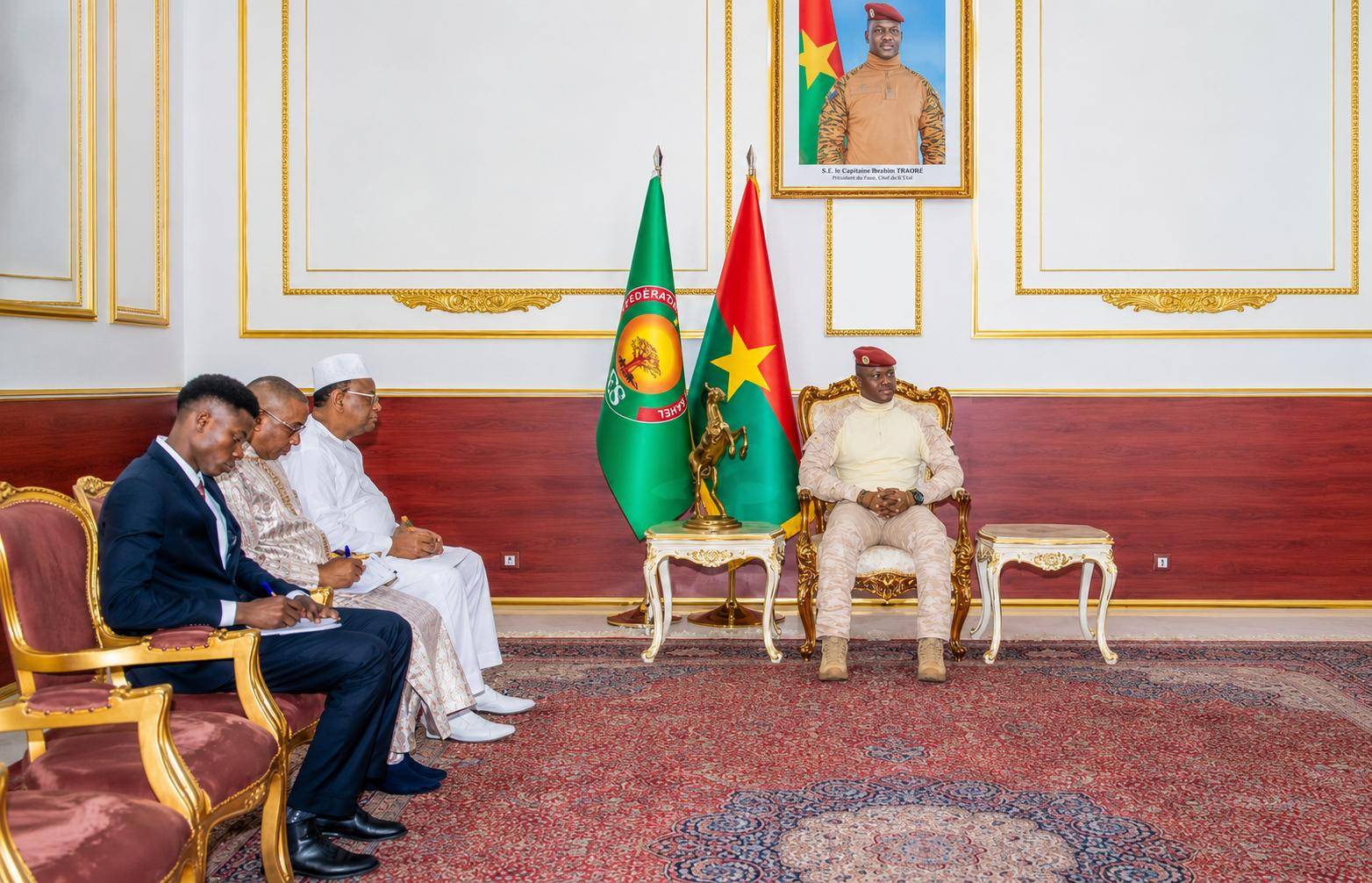
Lansana Kouyaté, the Economic Community of West African States (CEDEAO) mediator for the Alliance of Sahel States (AES), recently concluded a high-stakes visit to Ouagadougou. His mission: to revive regional dialogue with Captain Ibrahim Traoré and the military leaderships of Burkina Faso, Mali, and Niger. The envoy emphasized the absolute necessity of cooperation, grounding his argument in a simple truth—geography and human ties cannot be redrawn by political decrees alone. While the CEDEAO’s approach reflects a pragmatic understanding of the stakes, it collides head-on with deep-seated skepticism rooted in a history of unkept promises by Sahelian regimes.
Why dialogue matters: the human cost of severing economic ties
The CEDEAO’s commitment to dialogue is not mere idealism. It is a strategic imperative born of harsh realities:
- Humanitarian lifelines: Over 70% of trade for landlocked Sahel nations—Burkina Faso, Mali, and Niger—flows through coastal ports controlled by CEDEAO member states. Cutting these routes would devastate economies already ravaged by terrorism and poverty. The regional bloc refuses to punish ordinary citizens for the actions of their leaders.
- Security cannot be isolated: Jihadist groups operate across borders, ignoring treaties and national boundaries. A fragmented security response is doomed to fail. The CEDEAO’s insistence on coordinated action, despite current tensions, seeks to preserve what little regional cooperation remains.
Yet, this diplomatic push faces a critical flaw: the fundamental asymmetry in good faith between negotiators.
The shadow of broken promises: why trust is in short supply
While the CEDEAO’s intentions are commendable, its optimism may be misplaced. The track record of military regimes in the Sahel speaks volumes—both to the international community and their own people. What began as temporary transitions has morphed into indefinite extensions, justified by shifting narratives of security imperatives.
Consider the timeline of commitments:
- Military transitions were initially slated to last between 18 and 24 months across Mali, Burkina Faso, and Niger.
- Today, electoral calendars have been unilaterally discarded, with no clear return to constitutional order in sight.
This pattern reveals two disturbing truths:
1. International agreements as temporary tools
The CEDEAO has repeatedly experienced the fragility of agreements signed in good faith—only to be abandoned months later under the banner of “reclaimed sovereignty.” Regional integration treaties, built over decades, have been discarded in weeks to appease populist rhetoric. Negotiating “exemplary cooperation” with partners who view international law as optional is akin to building on shifting sands.
2. Broken social contracts at home
The most alarming breach lies within. The juntas of the AES rose to power promising security and state renewal. Instead, they have:
- Suspended political parties and stifled civil society.
- Silenced independent media and persecuted dissent under the pretext of “national unity.”
- Failed to curb the spread of violence, despite realigning geopolitical alliances.
In essence, the foundational duty of any state—to protect its citizens while upholding their fundamental freedoms—has been systematically violated.
Dialogue with accountability: the only path forward
The CEDEAO is right to seek dialogue. Preserving technical and economic bridges is not just prudent—it is essential for survival in a region under siege. But dialogue cannot become complicity. The regional bloc must not confer legitimacy on regimes that use negotiation time solely to consolidate personal power.
The message is clear: engagement must come with ironclad guarantees. Without enforceable conditions, this mediation will merely perpetuate a well-worn cycle—one of hollow promises followed by inevitable betrayal. The Sahel’s future depends on whether words are backed by deeds.