West African leaders convene in Freetown as Cédéao grapples with AES withdrawal
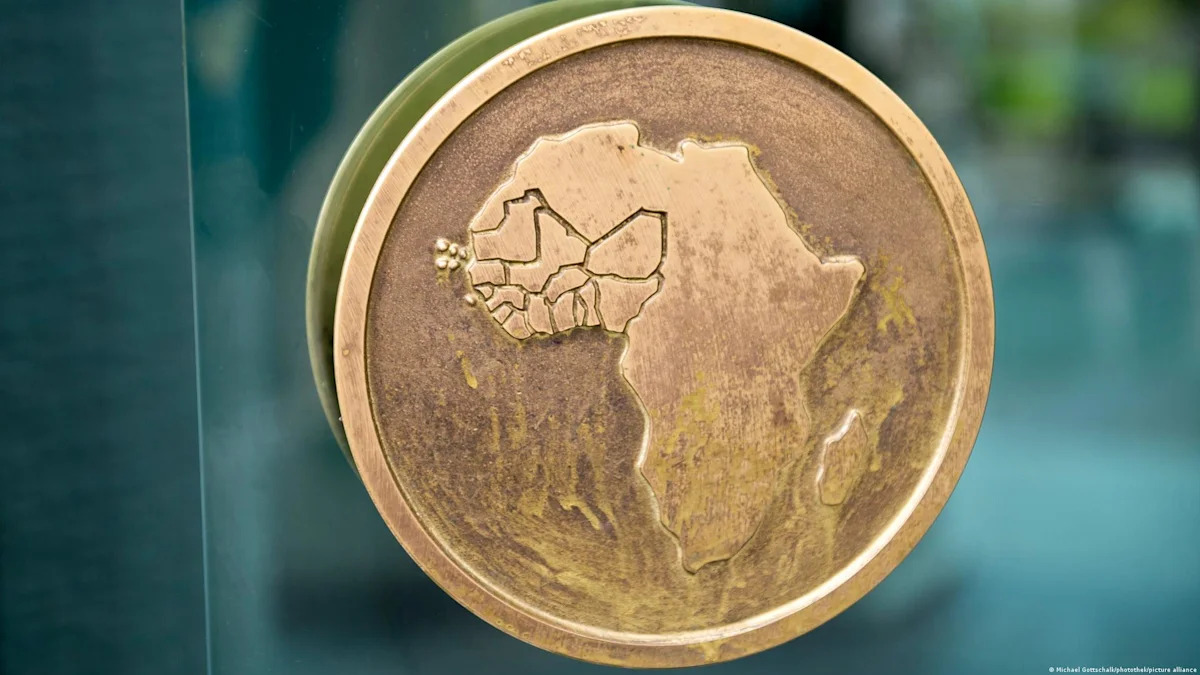
The 69th summit of the Economic Community of West African States (Cédéao) kicked off in Freetown, Sierra Leone, amid heightened regional tensions. The gathering faces a critical challenge: the absence of three founding members—Niger, Mali, and Burkina Faso—who have formed the Alliance of Sahel States (AES), signaling a historic fracture within the bloc.
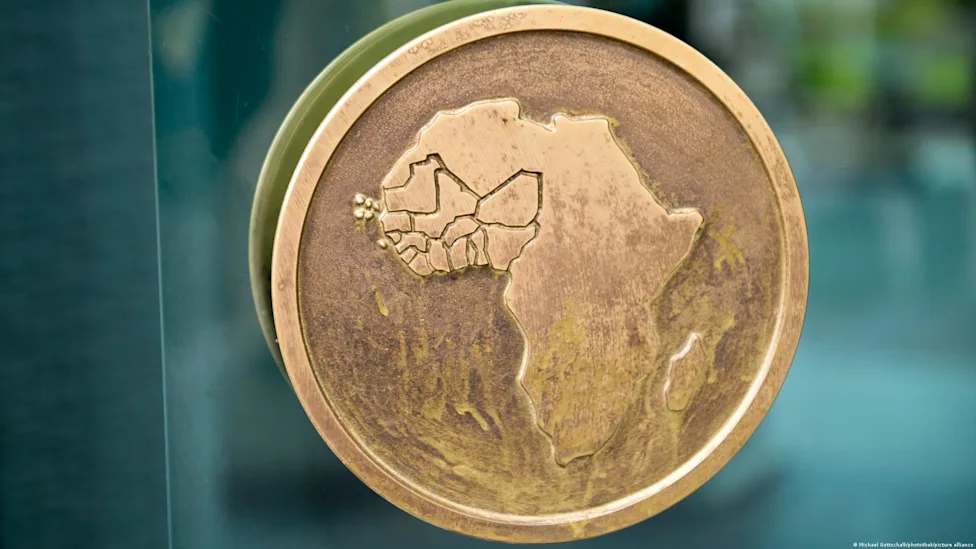
While the AES countries have formally exited the Cédéao, their geographical proximity and shared security concerns make dialogue unavoidable. Regional leaders are expected to explore pathways for renewed cooperation, particularly on cross-border trade, human mobility, and counterterrorism efforts that transcend political divides.
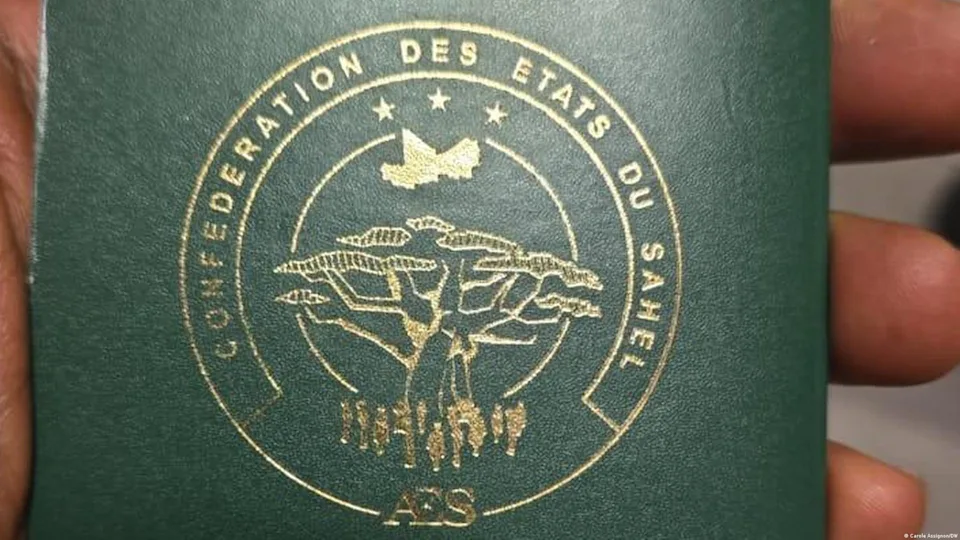
Rethinking Cédéao’s future without Mali, Niger, and Burkina Faso
The summit’s core agenda item centers on recalibrating the future of the Cédéao after the withdrawal of Mali, Niger, and Burkina Faso. These nations, though no longer part of the bloc, remain integral neighbors whose stability directly impacts regional security.
Analysts highlight the urgency of redefining cooperation frameworks to address transnational terrorism, organized crime, and political instability. With elections looming and climate-driven challenges intensifying, West African leaders face mounting pressure to restore the organization’s relevance.
Regional expert Aliou Diakite emphasizes the gravity of the situation: “Leaders must confront governance and security challenges that transcend borders, including terrorism, political transitions, climate change, and health crises. These are the issues that will shape the Cédéao’s trajectory in the coming years.”
ECOWAS standby force: delays persist despite urgent need
Another long-standing priority on the summit’s agenda is the operationalization of the ECOWAS Standby Force. Proposed years ago to counter terrorism and political crises, the force remains in limbo, though this week’s preparatory meetings in Freetown signal growing impatience among member states.
Michel Ange Bangoura, Guinea’s Cédéao cooperation coordinator, acknowledges the progress on paper but stresses the need for concrete action: “Institutional frameworks are in place, but the missing link is resources. We need at least one company deployed per country and a designated headquarters to make this force a reality.”
When pressed on a potential deployment timeline, Bangoura responds: “Discussions this week will prioritize expediting the force’s activation. Even a symbolic deployment in a selected host country would send a strong message.”
Beyond security, the summit will also tackle institutional reforms to restore the Cédéao’s credibility after years of political upheavals and coups across the region.