west african leaders convene in Freetown, AES nations absent
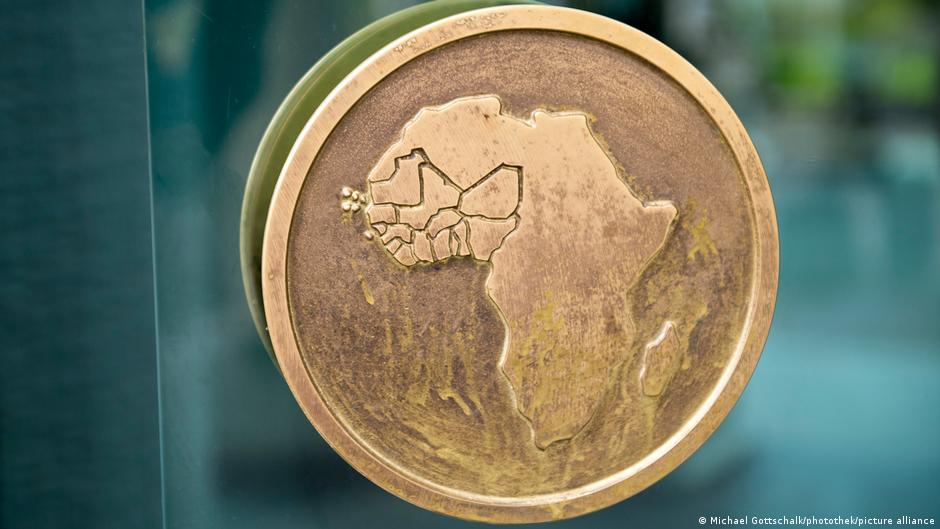
The 69th ECOWAS summit is underway in Freetown, Sierra Leone, marking a critical juncture for the Economic Community of West African States. As ECOWAS convenes this Sunday, it does so without three of its former members: Niger, Mali, and Burkina Faso, which have formed their own Alliance of Sahel States (AES). The significant absence of these Sahel nations is expected to be a central topic, as the organization strives to enhance its standing and address pressing regional security challenges.
Charting a future without Mali, Niger, and Burkina Faso
Beyond the symbolic implications, West African leaders face the fundamental task of redefining ECOWAS’s trajectory following the departure of Mali, Burkina Faso, and Niger, now united under the Confederation of Sahel States.
Even though these three countries have exited the organization, they remain indispensable neighbors. Consequently, heads of state are anticipated to explore avenues for dialogue to safeguard vital commercial exchanges, ensure the free movement of people, and, crucially, bolster security cooperation against a pervasive terrorist threat that transcends national borders.
Aliou Diakite, an expert on ECOWAS affairs, underscored the immense stakes involved. He emphasized the necessity to “deliberate on the future of ECOWAS and the pressing governance and security issues within the ECOWAS space, considering organized crime linked to terrorism, political transitions during elections, climate change, and various epidemics and pandemics. These are the critical concerns compelling heads of state and government to discuss the future of ECOWAS in the years ahead.”
The elusive ECOWAS Standby Force
Numerous issues of paramount importance to West African populations frequently resurface at successive summits without definitive resolution.
A prime example is the ECOWAS Standby Force. Despite being announced years ago, this regional force has yet to achieve full operational capability. It is envisioned as a rapid response mechanism to counter terrorism, political crises, and other threats to regional stability.
Preparatory meetings involving ministers and security officials held earlier this week in Freetown indicate a strong commitment from several member states to expedite its deployment.
Michel Ange Bangoura, a Guinean official overseeing cooperation with ECOWAS, confirmed that “on paper, all institutional frameworks for the ECOWAS Standby Force are in place. The remaining challenge is securing the necessary resources for its deployment, establishing its headquarters, and ensuring each member country contributes at least a company of troops.”
When questioned about a projected timeline for the force’s establishment, Michel Ange Bangoura responded, “I believe that during our current discussions at this session, the focus will be on a short-term deployment of this force, even if it initially involves gathering units in a designated country.”
The summit agenda also includes institutional reforms for ECOWAS and the urgent need to restore the organization’s credibility, which has been impacted by several years of political instability and coups d’état across the region.