CAN 2025 final dispute: Senegal and Morocco face TAS legal battle
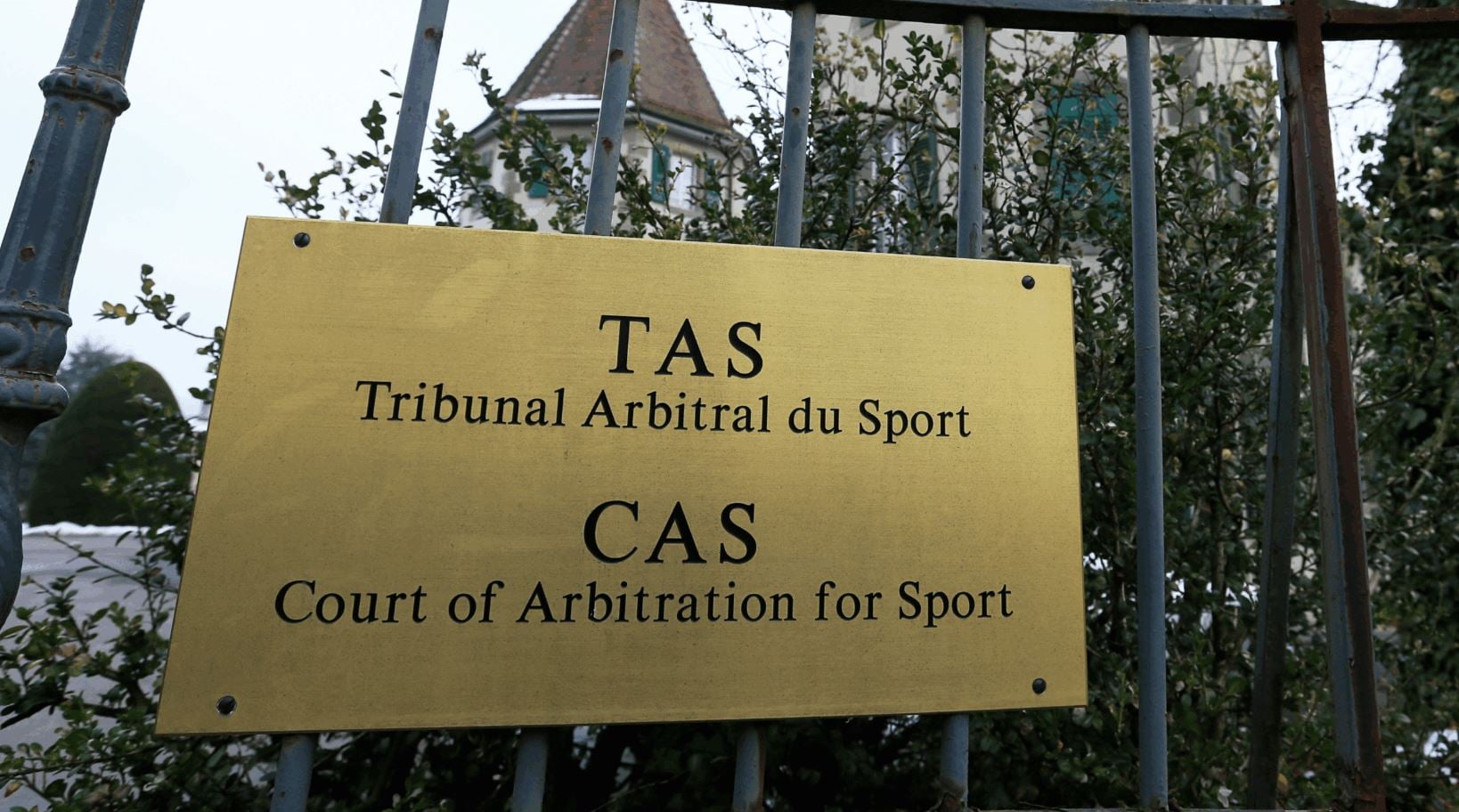
The legal saga surrounding the CAN 2025 final between Senegal and Morocco has entered a decisive phase at the Court of Arbitration for Sport (TAS) in Lausanne. The Senegalese Football Federation (FSF) escalated the dispute by filing an appeal on March 25 against the Confederation of African Football’s (CAF) decision to award the tournament to Morocco on a forfeit basis following a chaotic final where Senegal had won 1-0 on the field.
The TAS has set May 7 as the deadline for the Royal Moroccan Football Federation (FRMF) to submit its defense brief. This follows standard arbitration procedures, where the defending party receives a 20-day window to respond after the claimant presents their arguments. However, the FSF’s request for a suspension has temporarily halted progress, delaying the establishment of a hearing schedule or any oral testimonies.
Key issues fueling the dispute
The heart of the conflict lies in the CAF’s Appeals Jury decision on March 17, which overturned the initial match result. During the January 18 final, Senegalese players briefly left the pitch in protest after a contentious penalty was awarded to Morocco in stoppage time. The CAF ruled that Senegal’s walkout violated tournament regulations, leading to the unprecedented decision to strip them of their victory.
The TAS is now handling the case through a written procedure, where both sides submit detailed legal arguments. A three-member arbitration panel will be formed: one arbitrator chosen by Senegal, one by the defending parties (CAF and Morocco), and a neutral chair designated by the TAS. After reviewing the submissions, the panel will schedule oral hearings before deliberating and issuing a final ruling—though the process may span several months despite the tribunal’s assurances of efficiency.
What’s at stake for both nations
While Senegal celebrated their on-field triumph with a goal from Pape Gueye, the legitimacy of their victory now hangs in the balance. The TAS’s decision could redefine the tournament’s outcome, potentially reshaping the reputations of both football federations and the CAF itself. For Morocco, a favorable ruling would solidify their claim to hosting rights, while Senegal seeks to reclaim what they view as an unjustly revoked title. The resolution of this case may set a precedent for future African football disputes, emphasizing the critical role of arbitration in resolving high-stakes sporting conflicts.