Cameroon’s opposition party calls for institutional transparency amid prolonged presidential absence
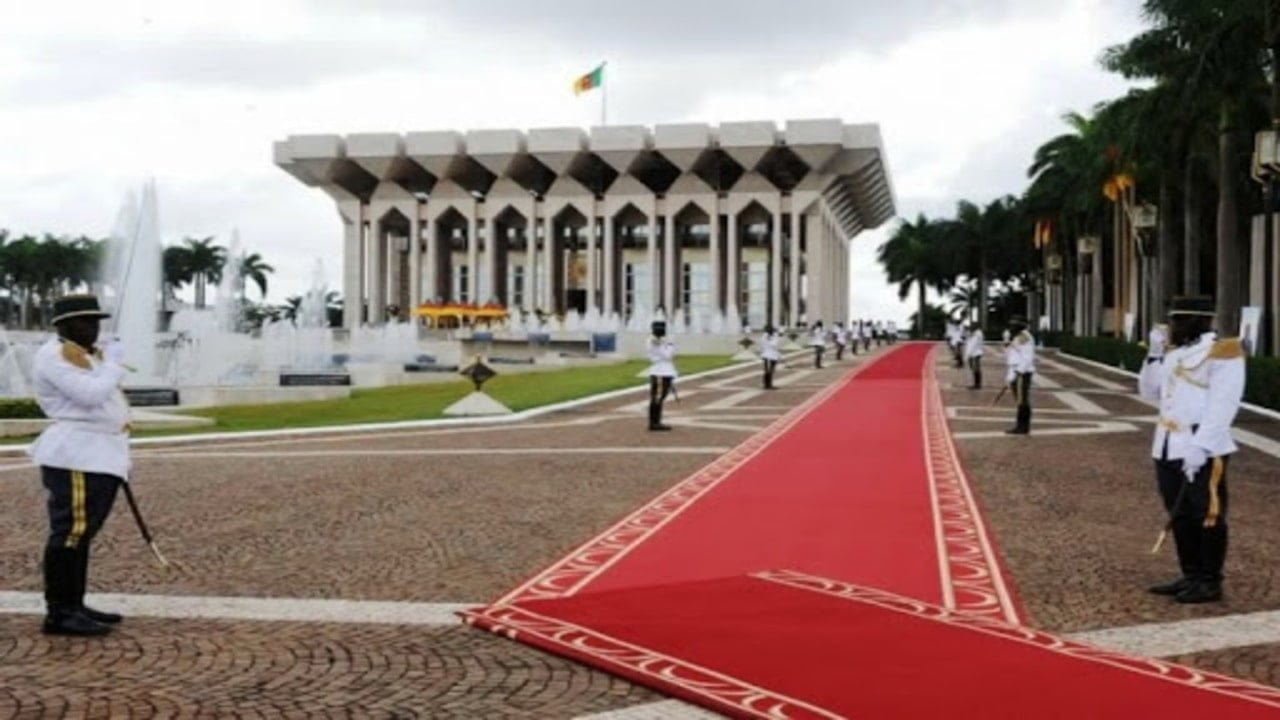
More than 40 days since President Paul Biya left Cameroon for a private visit to Europe, the nation remains in suspense. The official announcement from the Civil Cabinet provided minimal details, stating only that the President had departed Yaoundé accompanied by his usual entourage. Yet, beyond this brief note, no public explanation has been given about the nature or duration of his stay in Switzerland.
The silence surrounding the Head of State’s prolonged absence has sparked growing concern among citizens and political stakeholders. The president of the Union démocratique du Cameroun (UDC), Patricia Tomaino Ndam Njoya, has openly criticised the lack of transparency, framing the situation as a threat to democratic stability. In a recent statement, she highlighted the urgent need for clear mechanisms to ensure continuity in the conduct of public affairs during such absences.
ADVERTISEMENT
Constitutional gaps exposed by prolonged absence
The UDC argues that the current absence underscores critical gaps in the country’s constitutional framework. According to the party, the revised Constitution of 14 April 2026—which has been in effect for over three months—explicitly requires the appointment of a Vice-President to ensure institutional continuity in cases of temporary or permanent incapacitation of the Head of State. Yet, this provision remains unimplemented, leaving a dangerous void at the apex of power.
The opposition party is urging authorities to adopt precise rules governing presidential absences, including mandatory public updates and clearly defined procedures for delegating presidential functions when necessary. It also calls for an impartial process to assess temporary or definitive incapacitation, warning that prolonged uncertainty risks paralysing state operations.
Institutional risks mount as political calendar accelerates
The timing of the President’s absence could not be more delicate. Nearly six months into his eighth term, Paul Biya has yet to announce the formation of a new government to implement his policy agenda. Meanwhile, the constitutional revision of April 2026—still fresh in public memory—has yet to translate into action, with the Vice-Presidency post remaining vacant.
Recent events have further exposed the fragility of the situation. False presidential decrees circulated on national media allegedly sought to exploit the institutional vacuum, nearly triggering a constitutional crisis. As the country edges closer to legislative and municipal elections—a pivotal moment for all political forces—the absence of clear leadership is becoming increasingly untenable.
The ruling party’s Central Committee has scheduled a statutory meeting for 21 July 2026, yet the gathering will take place without the physical presence of its leader, who remains abroad. This unusual circumstance has intensified debates within political circles about the need for robust constitutional safeguards to prevent institutional blockages in times of crisis.
Public pressure grows as questions multiply
Frustration is palpable among citizens. Some groups, including self-described activists from the Brigade Anti Sardinard, have staged symbolic demonstrations outside the Head of State’s residence, demanding his immediate return. The prolonged silence from Yaoundé has only deepened public scepticism, particularly as the country prepares for another electoral cycle amid heightened political tensions.
While the Government has yet to address the concerns raised by the opposition and the public, the UDC’s demands for transparency and constitutional compliance are gaining traction. The absence of a Vice-President and the lack of clarity on the President’s whereabouts have reignited debates about institutional resilience and the urgent need for legal reforms to safeguard democratic governance.