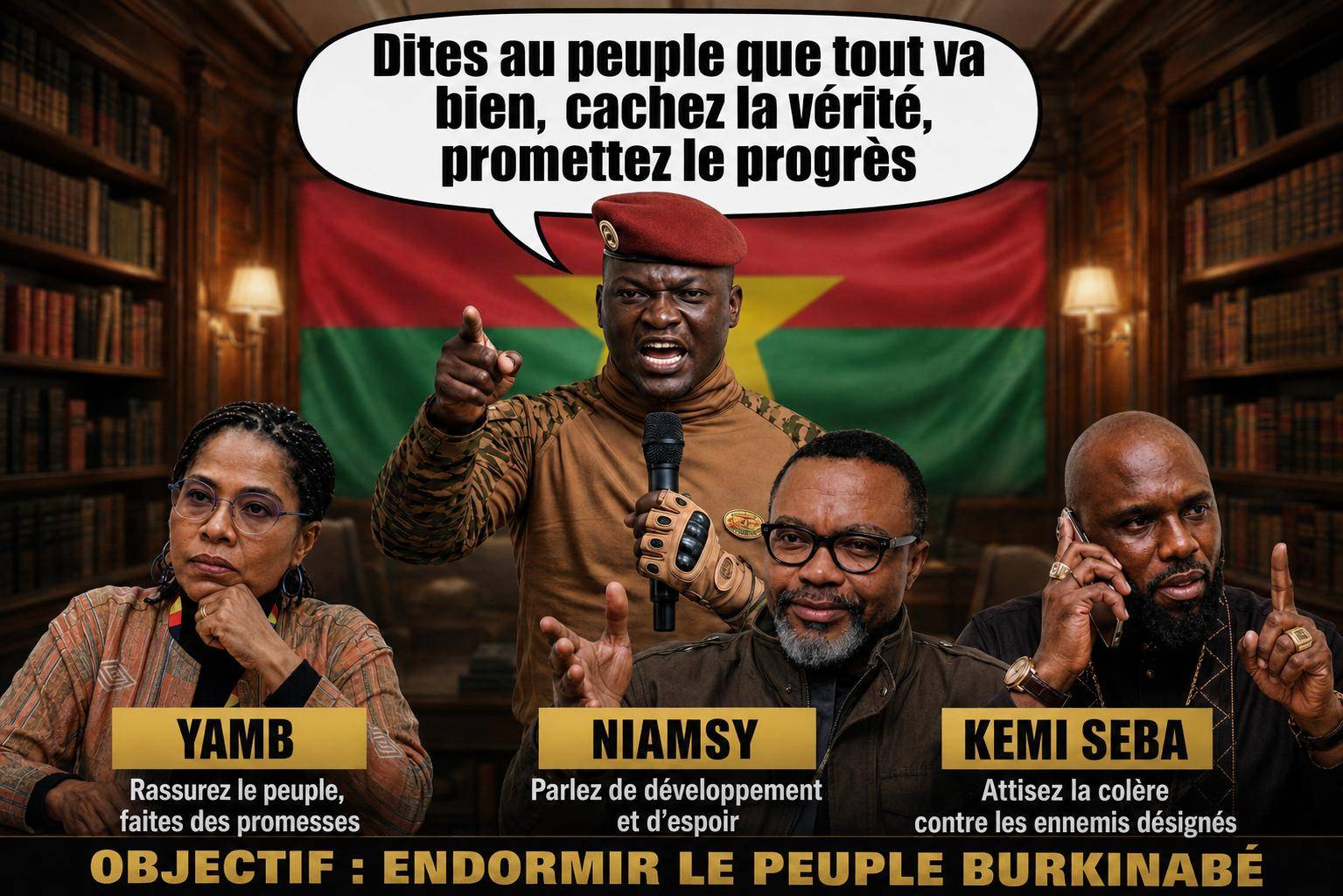
The ascension of Captain Ibrahim Traoré to power has positioned him as a prominent figure in Africa’s sovereignist movement. Through an assertive communication strategy and a prominent presence across digital platforms, Burkinabè authorities are vigorously promoting the notion of a sweeping economic recovery now underway in the country.
This narrative has been amplified by a network of panafricanist influencers and activists, including figures such as Nathalie Yamb, Franklin Nyamsi, and Kemi Seba. These individuals, highly visible on social media, consistently portray Burkina Faso as a pioneering model of development unfettered by historical foreign dependencies.
Yet, a growing number of economists, analysts, and independent observers caution against accepting official claims at face value. They argue that many of the achievements highlighted by the administration appear more aligned with political messaging than with verifiable structural economic progress. Among the touted successes are accelerated industrialization, revitalized domestic production, expanded processing facilities, claims of restored economic sovereignty, and assertions of exceptional national growth.
Critics counter that several initiatives presented as novel accomplishments were, in fact, already in development prior to the current transition. Others remain at the proposal stage or lack documented outcomes, raising doubts about their actual implementation and impact.
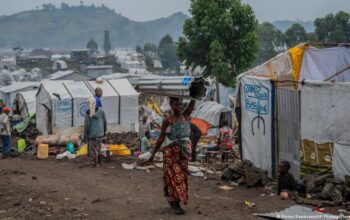
Beyond the economic claims, detractors point to a persistent disparity between the government’s celebratory rhetoric and the ongoing challenges facing Burkina Faso. Security instability, humanitarian crises, and deep-rooted social inequalities continue to strain the nation, casting doubt on the feasibility of such sweeping recovery narratives.
The financing of the national mobilization effort has also sparked significant debate. As part of a broader patriotic initiative, authorities introduced a 1% levy on the incomes of certain workers, along with other voluntary contributions, to fund state priorities. While supporters view these measures as patriotic acts in exceptional circumstances, trade unions, civil society organizations, and independent analysts are calling for greater transparency regarding the allocation and utilization of these funds.
These stakeholders insist that citizens deserve clear, regular reporting on the amounts collected, their designated uses, and the tangible results achieved. They advocate for the publication of detailed financial statements and independent audits to ensure accountability and restore public trust.
Further scrutiny has been directed at the credibility of certain economic statistics disseminated by official channels. Claims suggesting Burkina Faso has voluntarily foregone over one billion dollars in foreign aid in the name of sovereignty have been widely contested. Observers argue that such assertions distort the reality of the country’s continued reliance on international partnerships. For instance, Japan has maintained active development cooperation with Ouagadougou, funding multiple programs valued in the tens of billions of CFA francs. Critics maintain that these ongoing engagements undermine the narrative of a complete severance from international donors often promoted by regime supporters.
The persistent discrepancies between official economic storytelling and the lived realities of Burkinabè citizens underscore broader questions about the intersection of political communication, ideological mobilization, and evidence-based public policy evaluation.