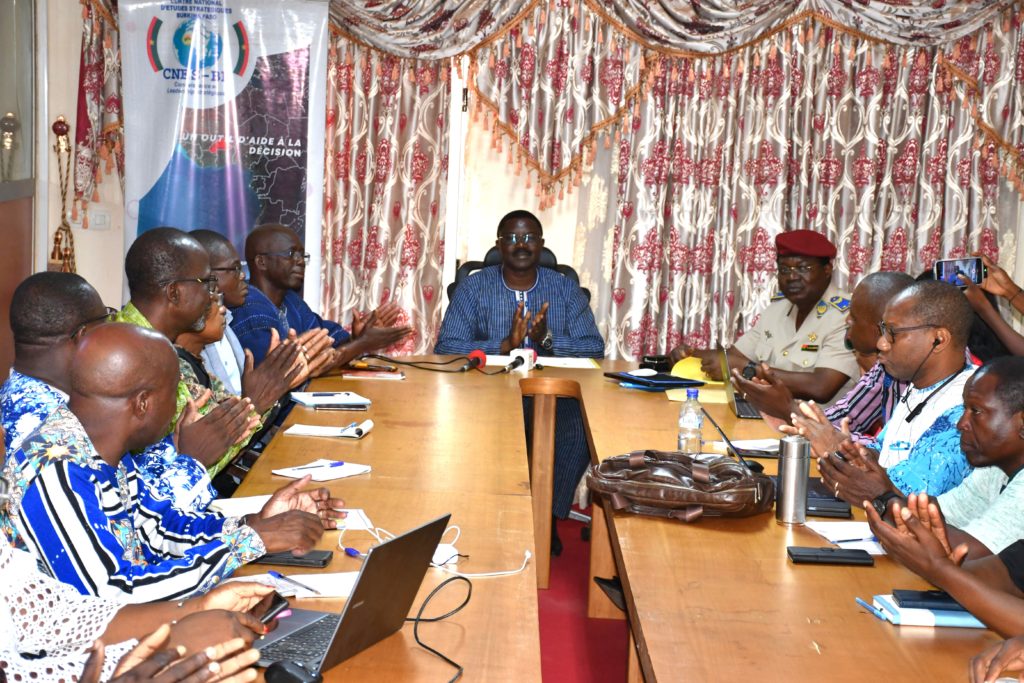
The National Centre for Strategic Studies (CNES) launched a three-day training workshop this Monday, 8 June 2026, in Ouagadougou for senior officials and experts from the Ministry of Foreign Affairs. The session focuses on strategic intelligence and geopolitical foresight. It is being held at the headquarters of the Permanent Secretariat of the African Peer Review Mechanism (SP-MAEP) in Ouaga 2000.
The main goal of this gathering is to strengthen the skills of around thirty experts, ambassadors, and technical advisers from the Ministry of Foreign Affairs.
In a rapidly changing global context, the organisers aim to equip participants with modern tools to better anticipate crises and guide political decisions.
Over three days of work, from Monday 8 to Wednesday 10 June 2026, participants will cover various themes such as strategic monitoring, geopolitical analysis, and risk assessment. The training combines theoretical courses with practical exercises, including writing operational briefing notes.
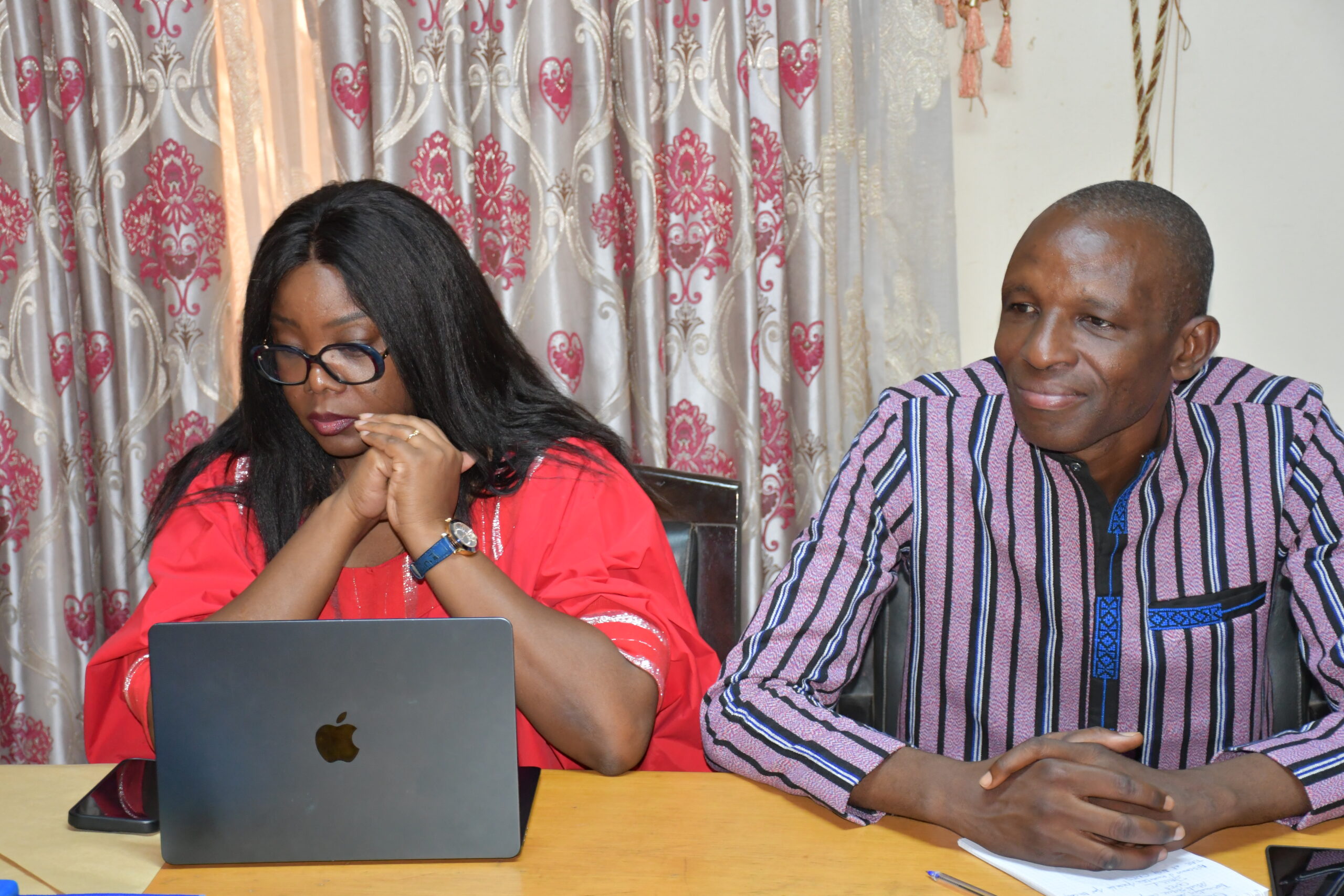
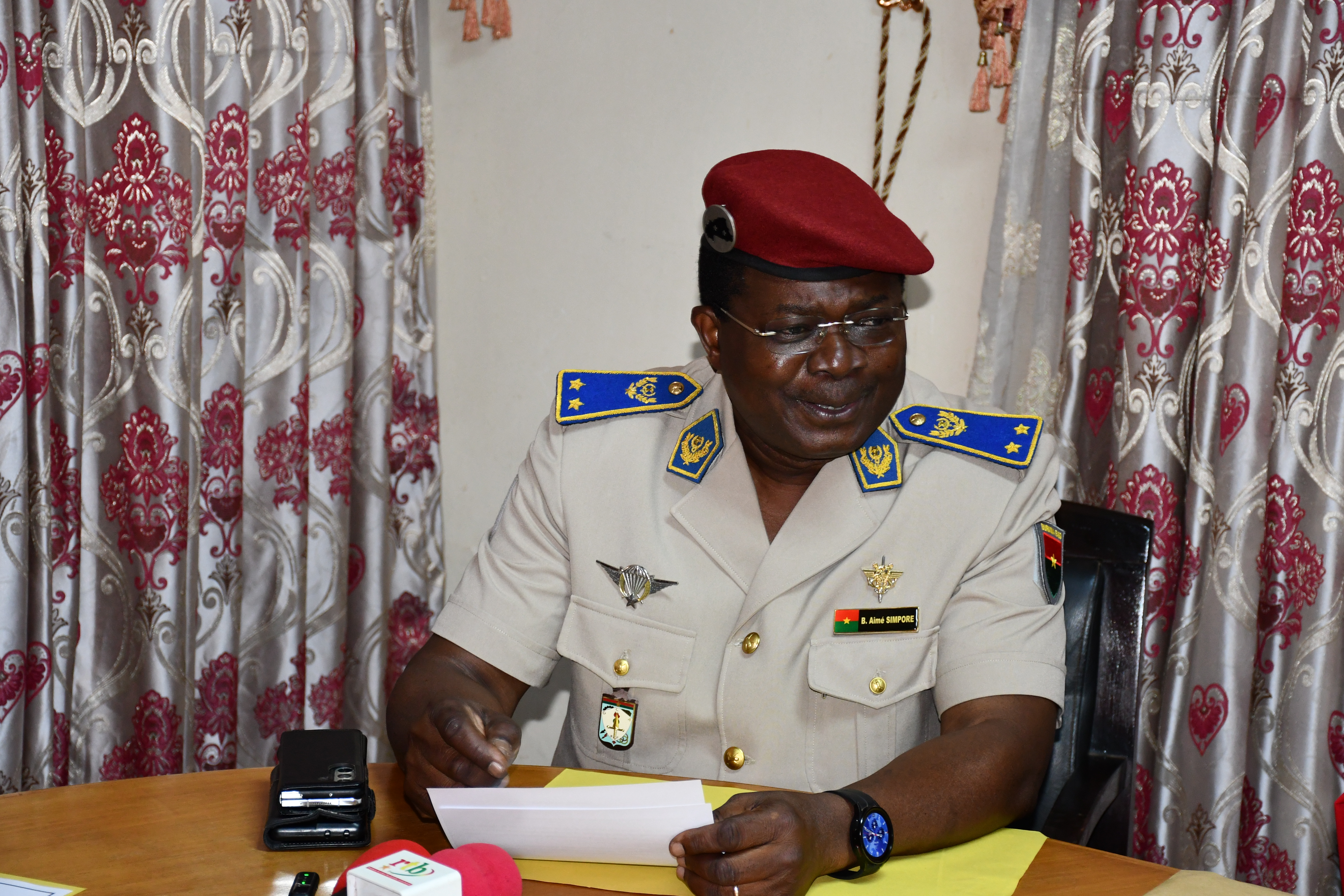
For Brigadier General Barthélémy Aimé Simporé, Director General of CNES, this initiative responds to a governance necessity. He explained the current challenges: “Power rivalries are reconfiguring, security crises are becoming more complex, and strategic uncertainties are now a permanent feature of the international environment,” he stated.
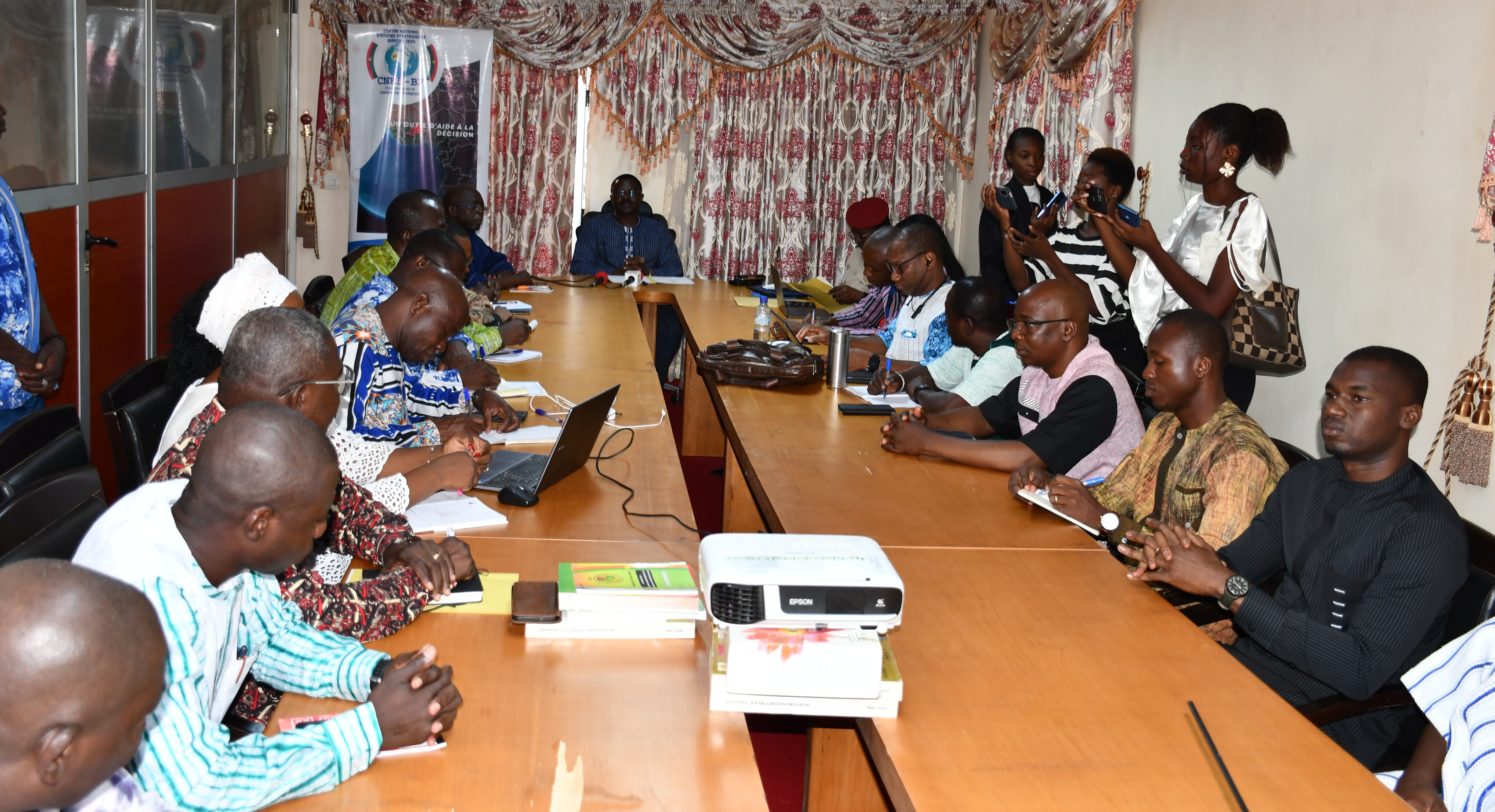
He also pointed out that the aim is no longer merely to react to crises, but to develop a genuine forecasting capacity for the country.
On his part, the Ministry of Foreign Affairs, represented by its Chief of Staff Dieudonné Désiré Sougouri, praised this partnership with CNES. According to him, the Ministry’s Strategic Analysis Bureau must constantly adapt its working methods to the realities of the moment.
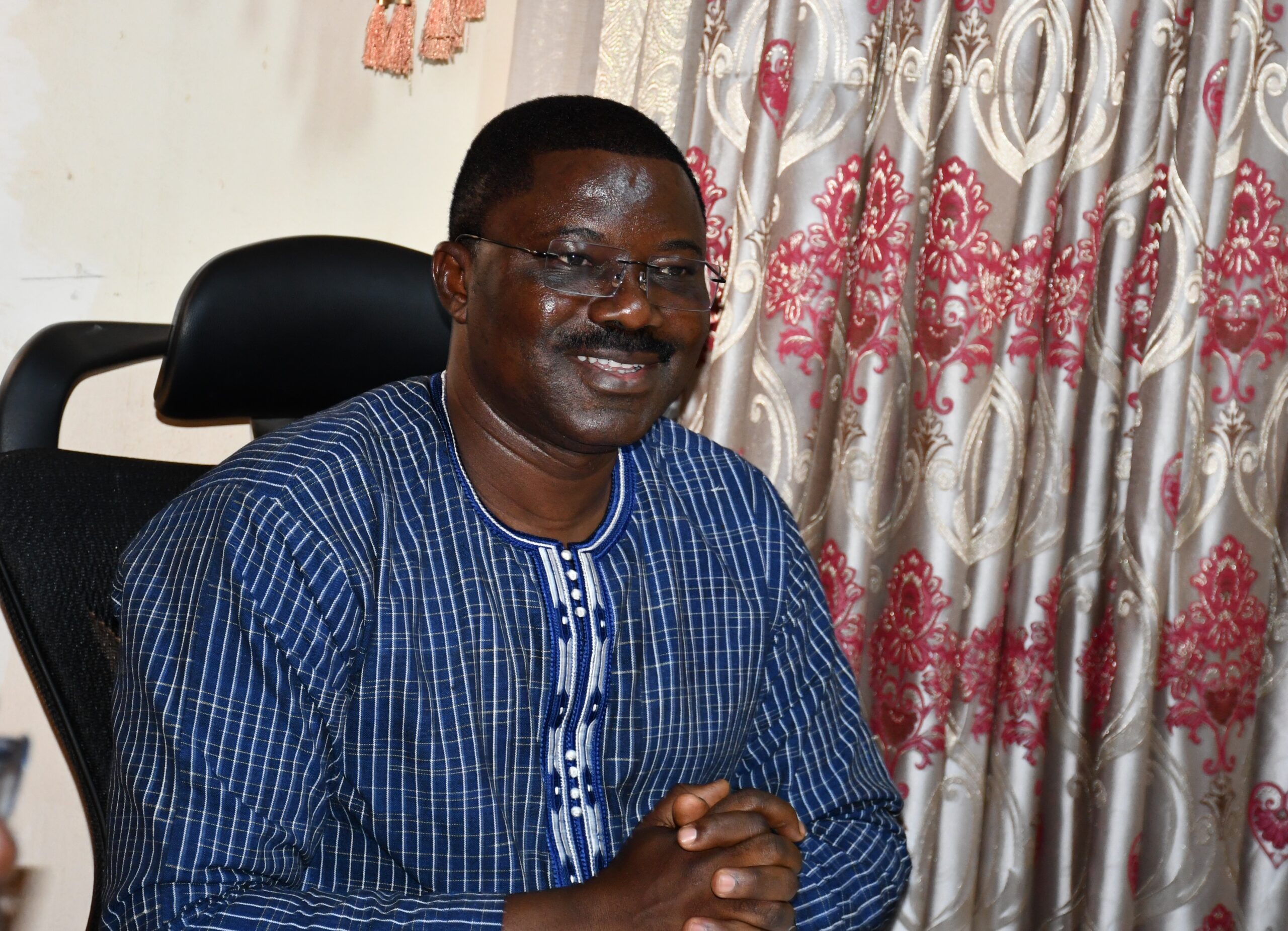
He emphasised the importance of this upgrade for public administration. “Classical fundamentals are increasingly being challenged, and our experts must constantly update themselves. We need to train experts who can understand the international geopolitical environment,” he confided.
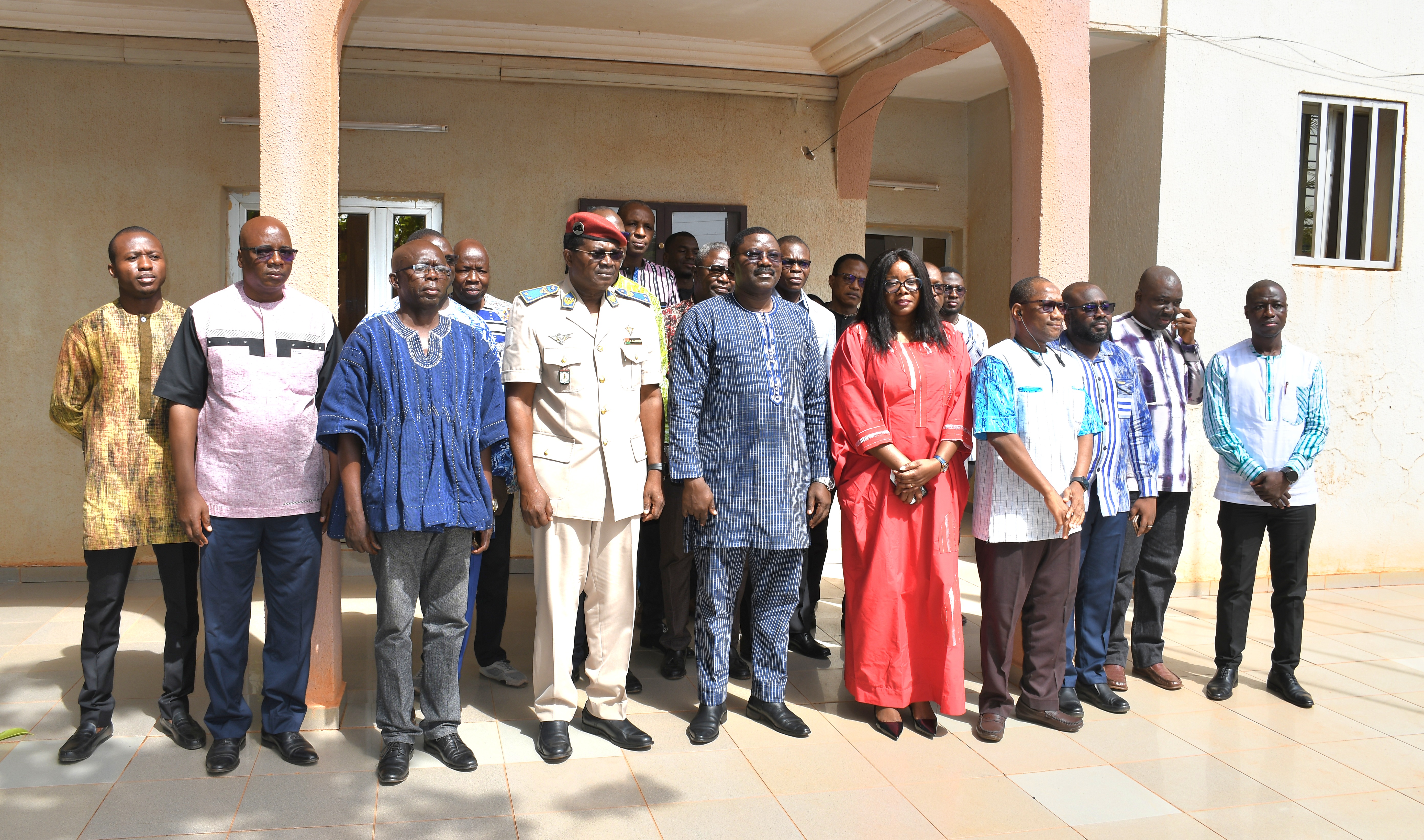
This training, which is a first for this department, is expected to lead to better identification of emerging risks and the production of more direct analyses for the authorities. Organisers indicated that additional sessions of this kind will be scheduled in the future to ensure continuity of this capacity-building effort.
This workshop marks a step in the modernisation of national diplomatic action, aligned with the orientations of the authorities. The sharing of experiences with defence and higher education experts will guarantee the success of this activity, according to stakeholders.