The tranquility of Cotonou was shattered in the early hours of December 7, 2025, when a group of mutinous soldiers briefly seized control of the national broadcaster, SRTB. Claiming to have ousted President Patrice Talon, the insurgents initially targeted high-ranking military residences before advancing toward the presidential palace and the state television station. Their attempt, however, was swiftly countered by loyalist forces, restoring order by midday as the capital remained under tight surveillance.
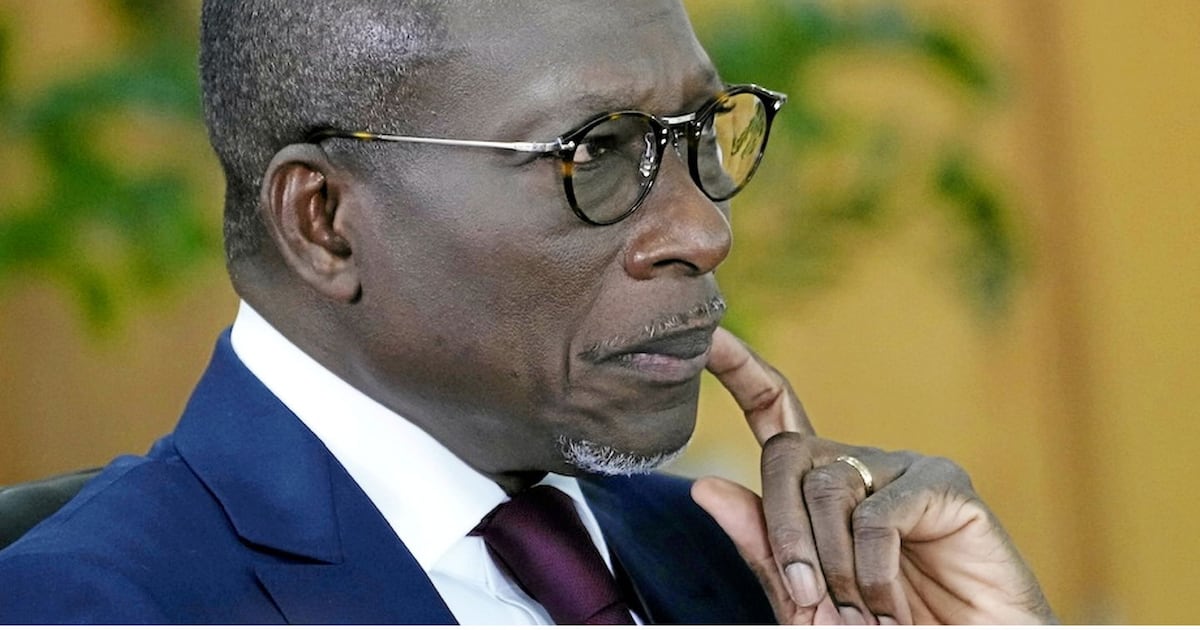
The mutineers, reportedly including external elements, had also stormed the private residence of President Talon in the Guézo district, where clashes left a tragic toll: the wife of General Bertin Bada, military chief of staff, was killed, and his daughter was injured. In a televised address, Talon condemned the betrayal, vowing that the perpetrators would face justice while acknowledging that some individuals remained held by fleeing mutineers.
military loyalty and swift response
Interior Minister Alassane Seidou confirmed that the attempted coup was orchestrated by a small fringe of disgruntled soldiers, with the vast majority of the armed forces remaining steadfastly loyal. By late morning, authorities reported the arrest of a dozen military personnel, including suspected ringleaders and a former army officer. Foreign Minister Olushegun Adjadi Bakari echoed this assessment, emphasizing that only a handful of rebels had participated in the uprising.
The mutineers, led by Lieutenant-Colonel Pascal Tigri, declared the formation of a Military Committee for Refoundation, suspending the constitution and claiming to act in the name of restoring democratic rights. Their demands included ending Patrice Talon’s governance, reversing electoral restrictions, and addressing alleged human rights abuses. However, their pronouncement was swiftly undermined by heavy gunfire near key installations, including the presidential palace and the marina. Republican Guard units, backed by Nigerian fighter jets and ground troops deployed by ECOWAS, moved decisively to reclaim control.
regional condemnation and ECOWAS intervention
The African Union and ECOWAS swiftly condemned the coup attempt, with the AU’s Chairperson Mahamoud Ali Youssouf urging all involved to immediately desist and return to their barracks. ECOWAS authorized the deployment of a regional stabilization force from Nigeria, Sierra Leone, Côte d’Ivoire, and Ghana to reinforce the Beninese government’s efforts in preserving constitutional order.
Social media buzzed with unverified claims as authorities worked to dispel confusion. Residents in districts like Cimetière PK-14 described a tense atmosphere, with many still unclear about the full extent of the events. The incident marked a stark departure for a country long regarded as a bastion of stability in West Africa, now joining neighbors like Niger, Burkina Faso, and Mali in facing military upheavals.
political tensions ahead of elections
With presidential elections looming in April 2026—the end of Talon’s second and final term—the coup attempt has intensified scrutiny of Benin’s political climate. Talon, a former businessman and cotton magnate, has overseen economic policies praised by some but criticized by others for excluding certain groups. His coalition, the Bloc Républicain, has already anointed Finance Minister Romuald Wadagni as its candidate, amid ongoing debates over constitutional reforms that extend legislative and presidential terms to seven years.
Opposition figures have decried these changes as an attempt to consolidate power, while the government insists they are necessary for stability. Meanwhile, the northern regions of Benin continue to grapple with jihadist violence linked to Al-Qaeda, including a deadly attack in April 2025 that claimed 54 soldiers’ lives. As the nation braces for elections, the failed coup underscores deep-seated grievances within the military and political establishment, leaving observers to question what broader implications may emerge.