Bénin averts coup attempt as regional forces prepare intervention
Gunfire erupted in the economic capital, and military personnel restricted access to the presidential palace amidst the unfolding events.
Bénin’s authorities declared on Sunday that they had successfully thwarted a coup attempt aimed at overthrowing President Patrice Talon. The President confirmed the situation was “totally under control,” prompting the West African bloc ECOWAS to pledge military support.
This attempted putsch occurs just months before Patrice Talon is scheduled to conclude his second term in office. Bénin, a small West African nation, has experienced robust economic growth but faces increasing jihadist violence in its northern regions.
Political instability has significantly impacted West Africa since the start of the decade, marked by coups in Mali, Burkina Faso, and Niger — two of Bénin’s neighbors — as well as in Guinea and, most recently in late November, in Guinea-Bissau.
On Sunday morning, following gunfire near the presidential palace, military personnel appeared on national television to announce President Talon’s ouster. They cited a range of grievances, including the “deterioration of the security situation” and challenges to “fundamental freedoms.”
Several hours later, Bénin’s Interior Minister, Alassane Seidou, also appeared on national television to confirm that the coup attempt had been foiled.
Patrice Talon reiterated this in a brief address to the nation on Sunday evening, affirming that the situation was “totally under control” and that “security and public order will be maintained across the national territory.”
“This treacherous act will not go unpunished,” he added, having previously commended the Republican Guard military personnel upon his arrival at the presidential palace.
France, the former colonial power, condemned the coup attempt on Sunday evening and advised its citizens “to exercise extreme caution and particularly to remain confined” due to an “still volatile context.”
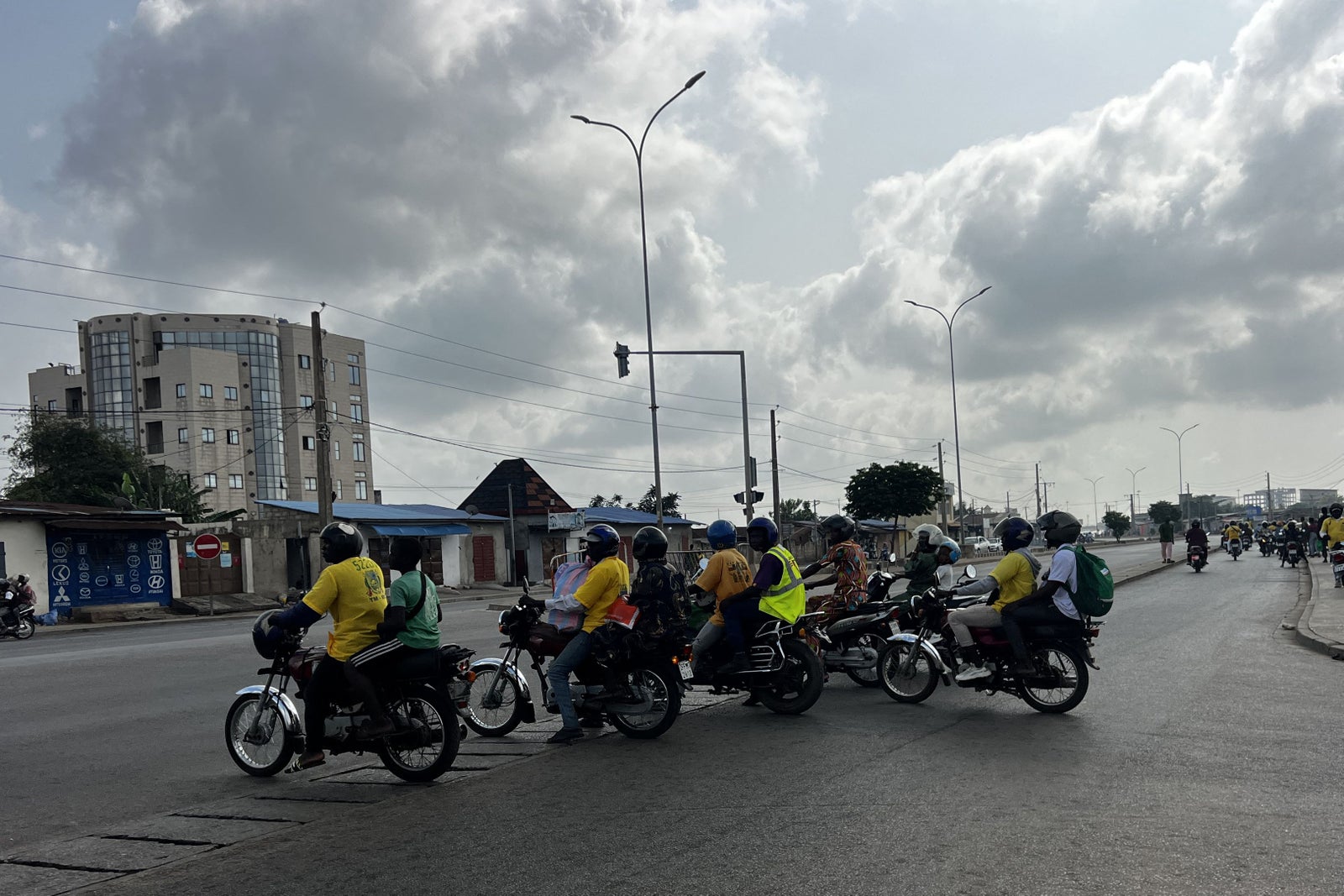
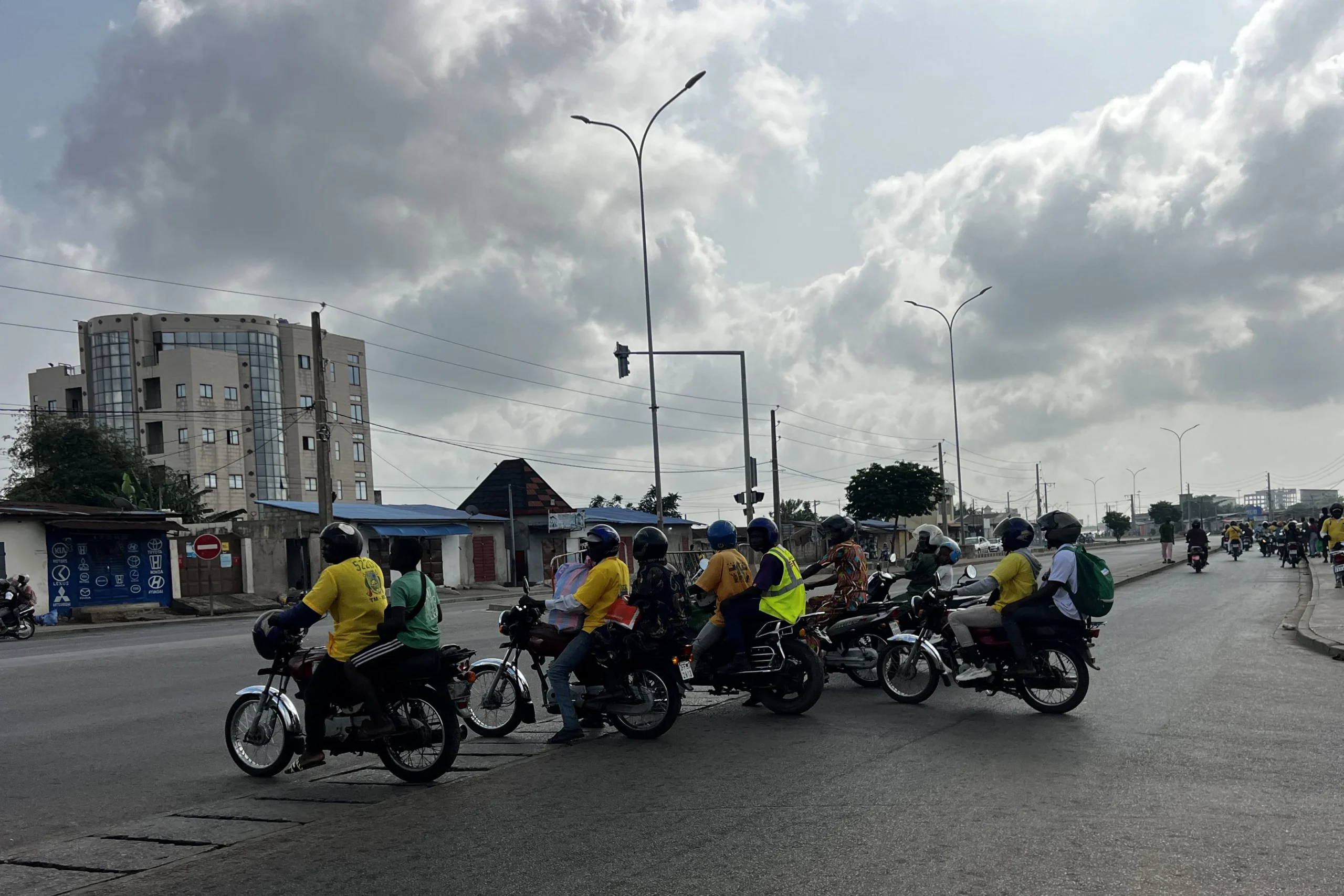
After a day where most residents conducted their daily activities in Cotonou, the economic capital became noticeably emptier earlier than usual in the evening, according to a journalist.
Numerous military checkpoints were established in the vicinity of the presidency and the adjacent Guézo military camp.
“Tonight, we will try to get home earlier. We don’t know who is behind this coup attempt,” explained Michelle Eudoxie, a 50-year-old hairdresser.
“This morning I started hearing gunshots. I left the neighborhood to go elsewhere because I was scared,” recounted Nabil Sacca, an essence vendor who was near the presidential palace earlier that day.
West African troops deployed
According to military sources, approximately a dozen soldiers have been apprehended. Among them are some of the individuals responsible for the attempted putsch, a security source indicated, without confirming if the mutineer leader, Lieutenant-Colonel Pascal Tigri, was among those detained.
In the late afternoon, Nigerian aviation executed strikes in Cotonou “in accordance with the protocols of the Economic Community of West African States (ECOWAS),” stated Nigerian Air Force spokesperson General Ehimen Ejodamen, without specifying the targets.
ECOWAS subsequently announced the “immediate deployment” of troops from Nigeria, Sierra Leone, Côte d’Ivoire, and Ghana to bolster “the government and the republican army” of Bénin and to “safeguard constitutional order.”
The ECOWAS Standby Force is mandated to ensure peace and stability in the region. For instance, it intervened in Gambia in 2017 when then-President Yahya Jammeh refused to relinquish power.
However, the force ultimately chose not to intervene in 2023 following the coup in Niger.
The African Union (AU) “strongly and unequivocally” condemned this attempted coup.
Bénin’s political history has been marked by several coups or attempts, with the last significant one occurring in 1972.
“Today, it feels like I am reliving what our parents experienced back then,” remarked Remy Agblo, a merchant, adding, “fortunately, it was thwarted.”
Patrice Talon, who has been in power since 2016, will reach the end of his second term in 2026, the maximum allowed by the Constitution.
His designated successor, current Finance Minister Romuald Wadagni, is considered the overwhelming favorite for the April 2026 presidential election, especially since the main opposition party has been excluded from the race.
“There has been a palpable tension in the country for months due to the elections,” observed Anatole Zinsou, a computer scientist in Cotonou, who expressed regret over “the exclusion” of certain political actors from the electoral processes.
While lauded for Bénin’s economic development, Patrice Talon is frequently accused by critics of steering the nation towards authoritarianism, a country once celebrated for its vibrant democracy.