Arrest of influential imam mohamad ishaq kindo raises questions in Burkina Faso
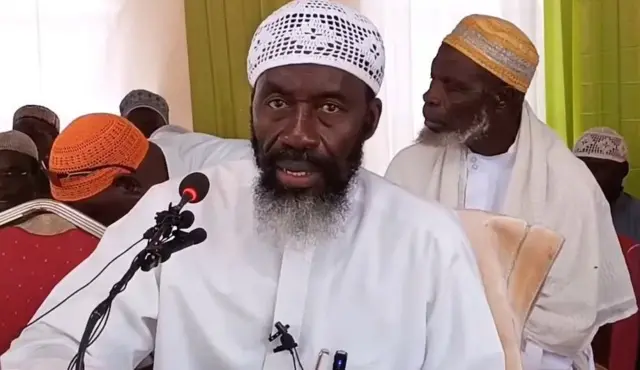
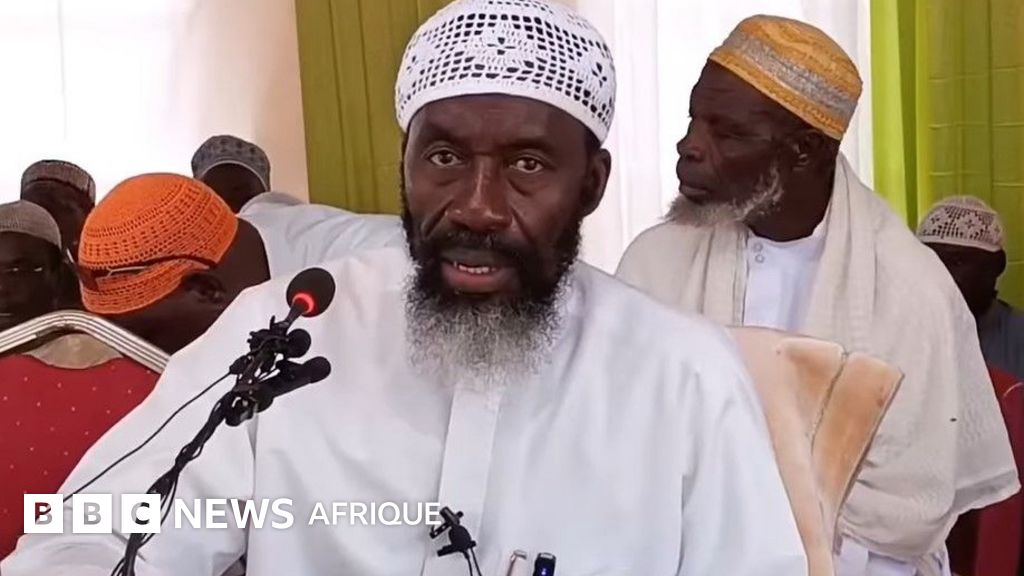
Ouagadougou — The arrest of prominent Sunni imam Mohamad Ishaq Kindo has sent shockwaves through Burkina Faso, with authorities detaining the religious leader in broad daylight just two days after he publicly criticized a newly adopted law regulating religious freedoms.
The Federation of Islamic Associations of Burkina Faso (FAIB) confirmed the detention, stating that Kindo, who also serves as president of the country’s Sunni Ulemas, was taken into custody without official justification on the afternoon of May 26 in Ouagadougou. The organization has since filed formal requests with government officials to obtain clarity on the situation and secure his release.
Violent arrest draws community outrage
Witnesses described a tense scene as security forces—including masked policemen and military personnel—converged on the imam’s location around 2 p.m. local time, the day before Eid al-Adha. According to a close associate present during the incident, the operation was met with resistance from nearby worshippers, resulting in injuries among the faithful.
In a widely circulated audio recording released shortly before his arrest, Kindo condemned the March 19 law, which restricts religious practices in public spaces, urging authorities to “reconsider the consequences of their decisions”. His remarks included warnings against prohibiting prayers in public areas, declaring, “No leader, however powerful, can challenge God’s will.”
Protests erupt as calls for his release grow
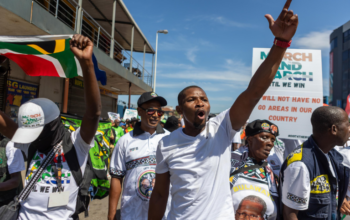
Within hours of the arrest, hundreds gathered in Ouagadougou to demand Kindo’s freedom, only to face dispersal by riot police using tear gas. The FAIB has since called for calm, urging Muslims across the country to remain peaceful amid rising tensions.
State authorities have remained silent on the matter, including President Ibrahim Traoré, who marked Eid al-Adha by praising security forces for their fight against jihadist groups while warning of consequences for those undermining national stability. No direct mention of Kindo’s case was made in his address.
New religious freedom law fuels controversy
The controversial legislation, passed in March, aims to curb extremist rhetoric online and prevent the establishment of unauthorized places of worship in government buildings—except in healthcare, prison, and military facilities. Authorities argue the law is necessary to combat radicalization and hate speech, though critics see it as an overreach.
Mariem Sanogo, Director General of Religious, Customary, and Traditional Affairs, defended the law, stating it was updated to address “violent extremism and online incivility” while preserving national cohesion. The government emphasizes that public prayer remains permitted, provided it respects other faiths.
Since the 2022 military takeover led by Traoré, Burkina Faso has seen a crackdown on dissent, with critics citing the regime’s tightening grip amid ongoing jihadist violence that has plagued the country for over a decade.