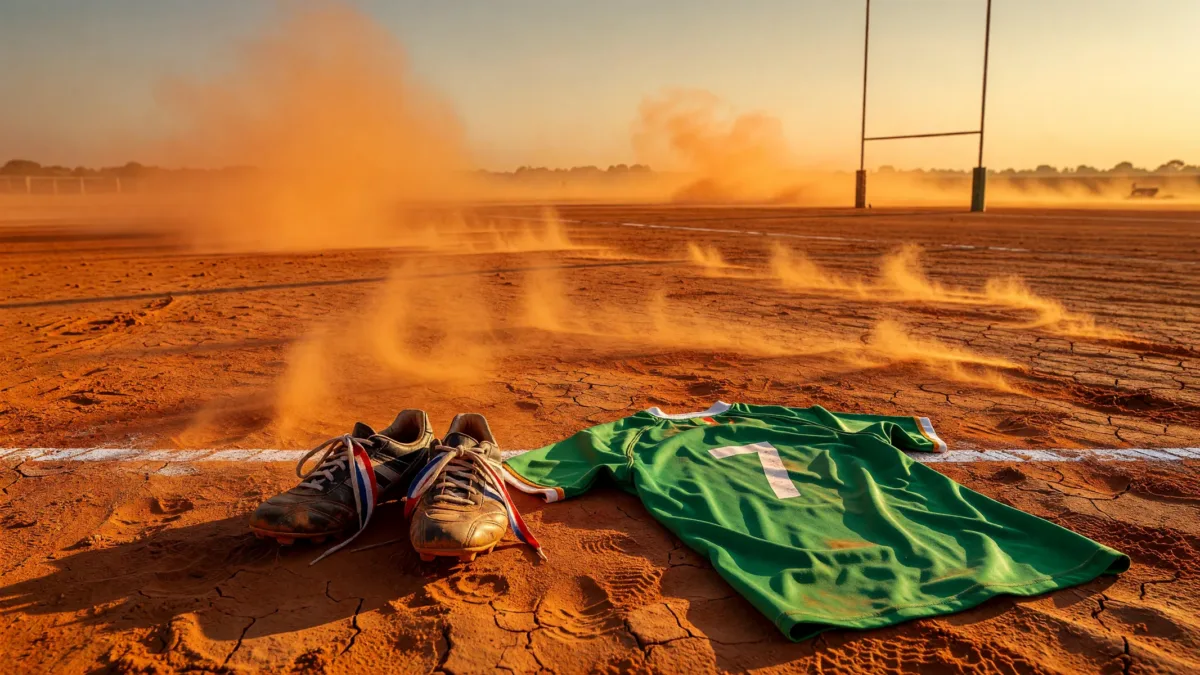
The international comeback of Yacouba Camara reached its peak during the Zone B Africa Cup in Bamako. The former French flanker, once a staple in the national XV, stepped onto the pitch wearing the colors of the Mali Eagles.


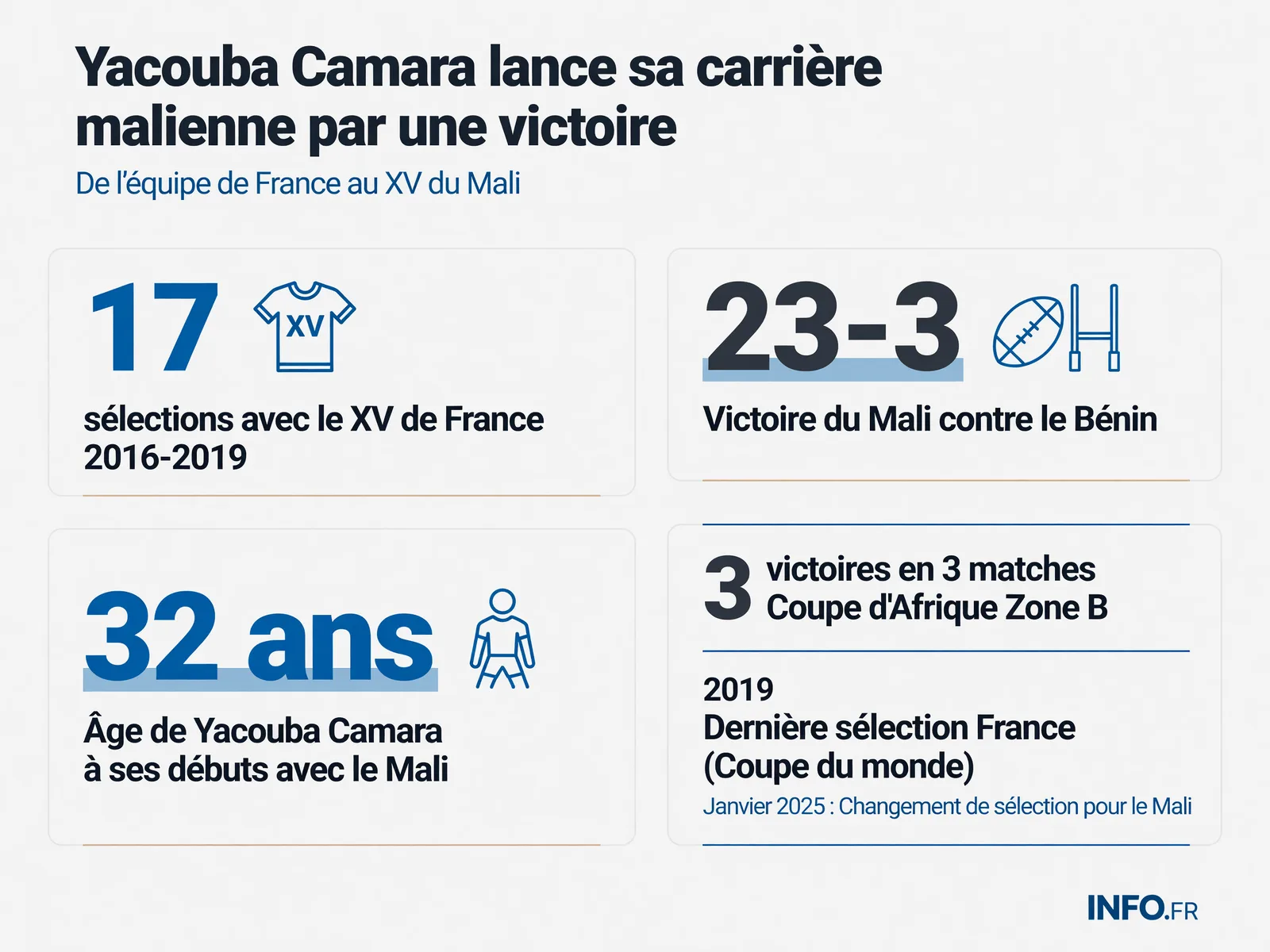
Mali delivered a dominant 23-3 victory over Bénin in the ongoing tournament hosted in Bamako. This win further solidifies their flawless start, following prior triumphs over Guinea (32-7) and Niger (52-9).
Seven years after his last French cap
Camara’s return to international rugby marks a significant milestone after nearly seven years. His last appearance for France dates back to the 2019 World Cup, and his shift to Mali’s national team represents a fresh chapter in his career.
A move driven by heritage, the Malian-French flanker chose to leverage his expertise to bolster African rugby’s growth.
Transforming Mali’s rugby landscape
Camara’s decision extends beyond his on-field contributions. His deep understanding of professional rugby standards positions him perfectly to support Mali’s rugby federation in its push toward professionalization.
Why France overlooked a proven talent
This shift to Mali sheds light on France’s approach to managing dual-national players. Despite Camara’s consistent Top 14 performances, he was sidelined after 2019. Successive French selectors prioritized different profiles, leaving him with no pathway back into the national team. This case underscores the challenges faced by the French federation when balancing player development with squad planning, potentially encouraging other dual-national athletes to explore African representation.
A familiar pattern in French rugby
The third-liner’s journey echoes that of other French-trained players who embraced African national teams. These stories highlight the untapped potential of dual-national athletes in fueling African rugby’s evolution. With his elite experience, Camara not only strengthens Mali’s prospects but also sets a precedent for aspiring players.
What this choice reveals
Camara’s decision prompts a critical reflection on the role of experienced players in emerging rugby nations. Rather than pursuing a cushioned retirement abroad, he opted for a meaningful commitment to Mali, blending athletic ambition with national identity.
It also casts a spotlight on France’s end-of-cycle management. Excluded since 2019 despite his professional prowess, Camara found a second wind in a team that values his contributions. This scenario may inspire other dual-national players seeking international playing time.