
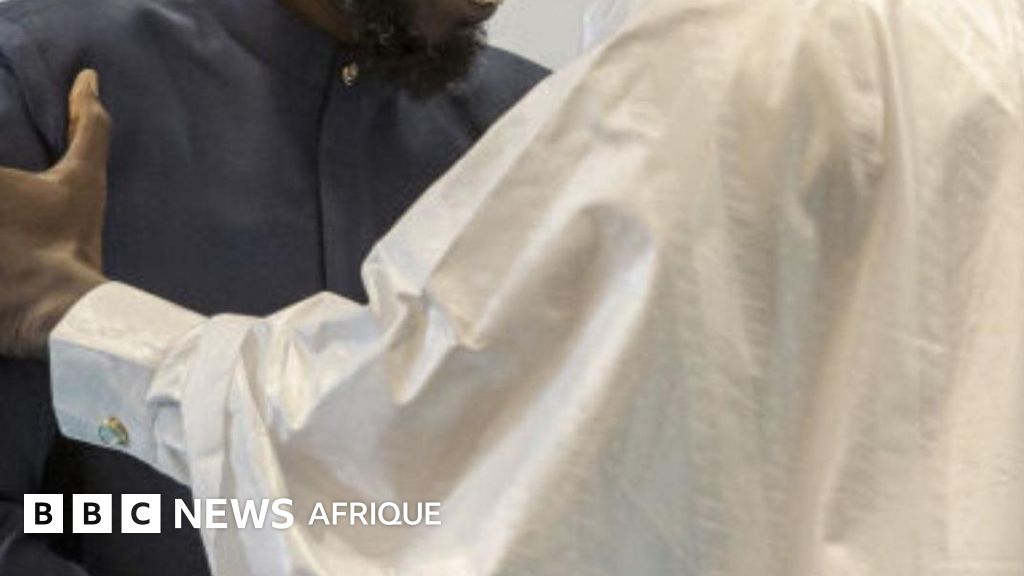
Understanding the unexpected political split in Senegal
The recent dissolution of Senegal’s government, led by President Bassirou Diomaye Faye and Prime Minister Ousmane Sonko, marks a significant shift in the country’s political landscape. After only two years in office, this unexpected breakup has left many observers questioning the future stability of one of West Africa’s most influential nations.
Key factors behind the political separation
Several critical developments have contributed to this political rupture. The underlying tensions between the executive head and his second-in-command had been building for months before reaching a breaking point. While both leaders share a common vision for Senegal’s development, irreconcilable differences in governance approaches have ultimately led to their separation.
1. Diverging economic priorities
The most prominent area of disagreement centered on economic strategy. President Faye favored accelerated reforms and foreign investment attraction, while Prime Minister Sonko advocated for more gradual changes and increased protection for local industries. These conflicting approaches created friction in policy implementation.
2. Power distribution concerns
Matters of authority and governance structure became increasingly contentious. The Prime Minister’s expanding influence within certain government circles began to encroach upon presidential prerogatives, raising questions about the proper balance of power in the administration.
3. Public perception management
How to address growing public discontent presented another major challenge. Sonko’s more confrontational style in handling protest movements clashed with Faye’s preference for dialogue and consensus-building, particularly when dealing with youth-led demonstrations.
4. Party unity challenges
Internal party dynamics played a crucial role in the split. Loyalty divisions within the ruling coalition emerged as key figures began aligning more closely with either Faye or Sonko, creating an unsustainable fracture within the political movement that brought them to power.
This governmental reshuffle comes at a critical moment for Senegal, which has long served as a model of democratic stability in the region. The coming weeks will reveal how this political realignment affects both national governance and Senegal’s position on the African continent.
You may also like
Gabon’s economic management hindered by unreliable public data
Niger: General Tiani faces growing unease within special forces after Russian involvement
Mali : 17 morts dans les rangs des dozos, le JNIM accentue sa pression
Sahel : le pari des juntes tourne-t-il à l’échec sécuritaire ?
MALI : Le JNIM diffuse les images de l’attaque de la base de San et contredit la version des FAMa