us sanctions key M23 intelligence chief linked to Rwanda
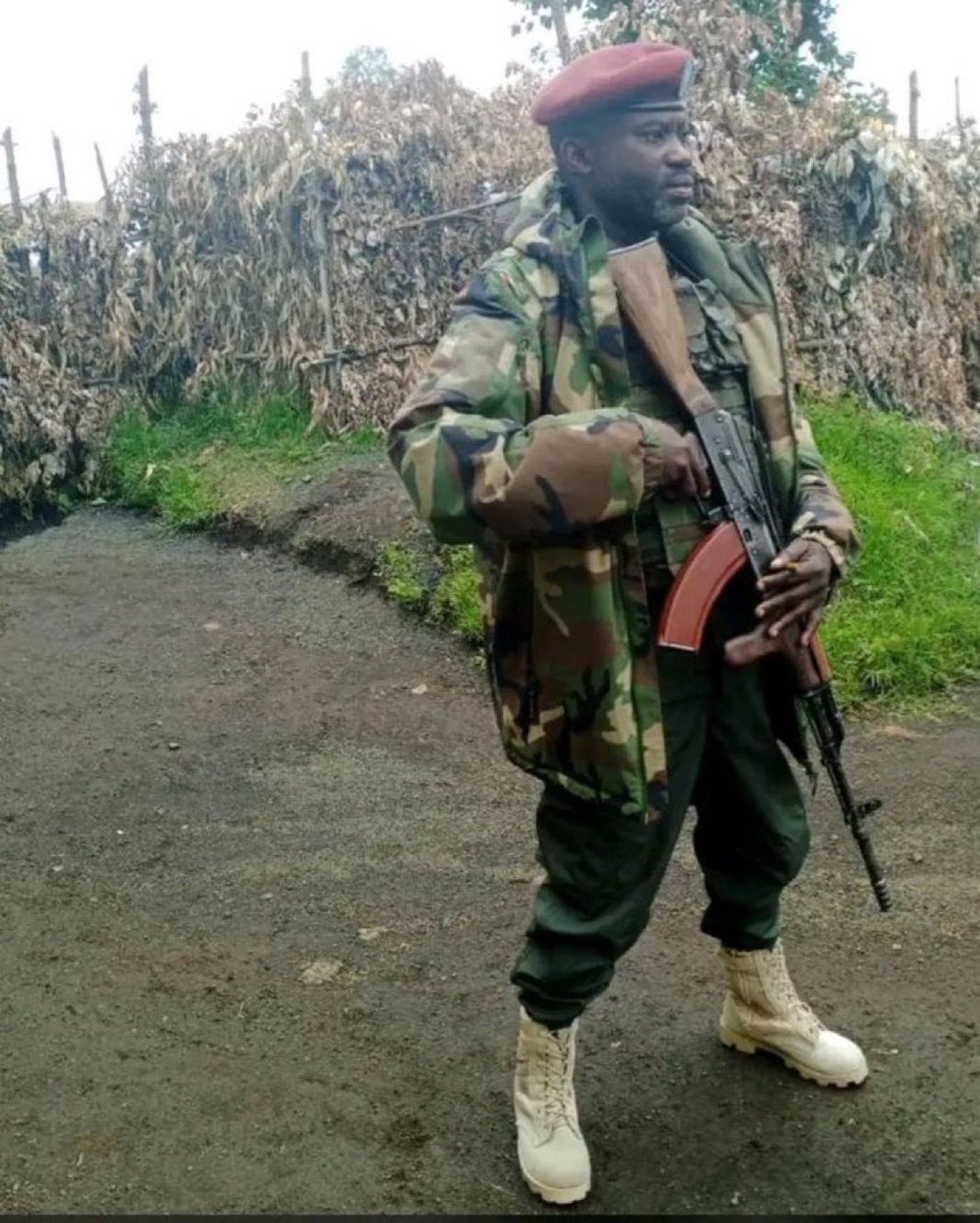
The U.S. Department of the Treasury has finally taken action against a central figure in the Rwandan-backed RDF/M23 rebel machinery. On June 2, 2026, sanctions were imposed on John Imani Nzenze, the intelligence chief of the Congolese rebel movement operating in the eastern Democratic Republic of the Congo (DRC). While the move comes years too late, it marks a symbolic acknowledgment of a decades-old pattern of violence, pillage, and forced displacement that has plagued the region since the late 1990s.
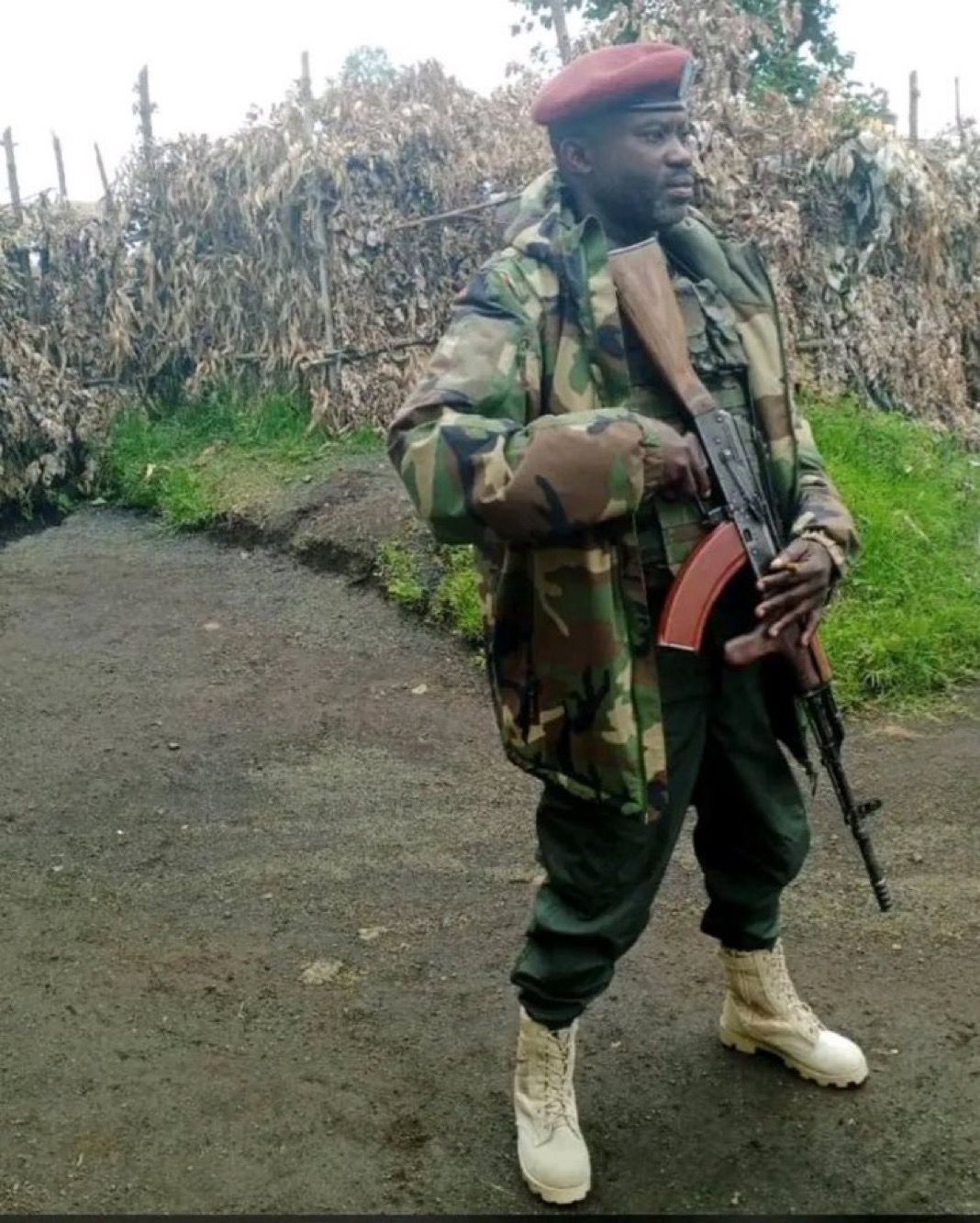
Nzenze’s name is synonymous with a generation of warlords who have perpetuated cycles of conflict in eastern DRC under the guise of rebel movements. His involvement traces back to the late 1990s, when Rwanda’s military intervention in Congo led to the creation of proxy forces like the Rassemblement Congolais pour la Démocratie (RCD). Far from being a spontaneous uprising, these rebellions were meticulously organized, funded, and directed from Kigali to mask Rwanda’s occupation of the mineral-rich Kivu provinces and its exploitation of Congolese resources.
Nzenze did not emerge in isolation. He transitioned seamlessly through multiple armed factions—from the RCD to the Congrès National pour la Défense du Peuple (CNDP) under Laurent Nkunda—before becoming a key figure in the M23 rebellion. Each iteration of these groups retained the same leadership core, the same operational networks, and the same brutal tactics: targeted assassinations, mass displacement, ethnic targeting, and control over strategic mining zones.
After the 2009 integration of some rebel factions into the Congolese army (FARDC) under a controversial disarmament and reintegration program, Nzenze briefly became part of the official military structure. However, this arrangement proved to be a tactical maneuver rather than a genuine shift. By 2012, he and other M23 commanders, including Sultani Makenga, abandoned their posts and relaunched the rebellion, accusing Kinshasa of failing to honor the 2009 agreements. In reality, the resurgence of the M23 was a direct result of continued Rwandan support, breathing life into yet another chapter of violence.
Since its revival in late 2021, the RDF/M23 has been accused by the United Nations, international NGOs, and Western governments of committing grave human rights violations across eastern DRC. Reports document executions, indiscriminate shelling of civilian areas, forced conscription, sexual violence, targeted killings, village occupations, mass displacement, and illegal mining activities. Thousands of families have been forced to flee their homes in North Kivu, with rebel forces and their Rwandan backers seizing control of critical mining hubs, including areas around Rubaya.
Nzenze’s role within the M23 was not peripheral. His intelligence networks were instrumental in orchestrating covert operations: infiltrating communities, tracking down opponents, monitoring local populations, and coordinating with Rwandan military units operating covertly inside Congolese territory. These activities have cemented his reputation as a mastermind behind the rebel group’s oppressive tactics.
For years, the architects of the RDF/M23 enjoyed near-total impunity, despite damning reports from UN experts confirming Rwanda’s direct involvement in sustaining the conflict. The U.S. sanctions against Nzenze represent a belated recognition of a long-standing grievance voiced by Congolese authorities and victims alike. Yet they also raise a pressing question: why target a single individual when an entire politico-military apparatus continues to orchestrate, finance, and profit from the chaos in eastern DRC?
The M23 is not an isolated phenomenon but a symptom of a deeper regional strategy that has persisted for nearly three decades. Behind the rebel facade lies a calculated effort to maintain instability in eastern DRC, ensuring control over its vast natural resources while preserving Rwanda’s strategic influence and economic leverage over its neighbor.