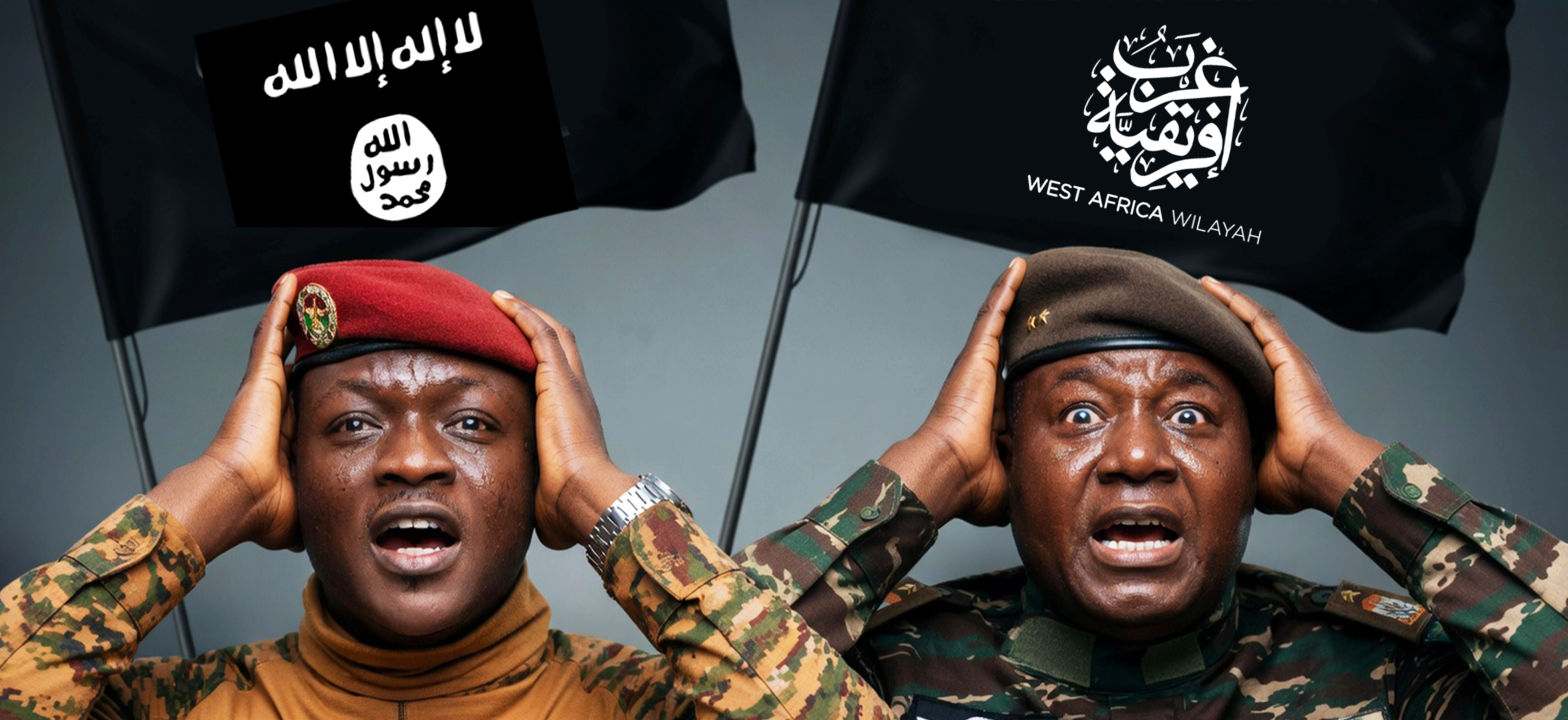
The recent confrontation along the shared border of Burkina Faso and Niger is not an isolated event, but a significant chapter in the ongoing hegemonic struggle between two dominant jihadist entities in the Sahel: the Al-Qaeda-aligned Group for the Support of Islam and Muslims (JNIM) and the Islamic State in the Greater Sahara (EIGS).
This escalation in the Sahelian conflict marks a departure from the previous global anomaly where Al-Qaeda and Islamic State affiliates coexisted. Since 2020, this dynamic has been replaced by an overt, systemic confrontation. The Burkina Faso-Niger frontier, a region characterized by critical security vulnerabilities, has become the primary theater for what is effectively a ‘civil war’ within the broader jihadist movement. Here, each faction prioritizes the elimination of its ideological adversary as a crucial precursor to any larger-scale offensive.
At the core of this conflict are profound doctrinal differences and their implications for engaging with local communities. The divergent approaches to civilian populations appear to be a central point of contention:
- JNIM (Integration Strategy): Under the leadership of Iyad Ag Ghali, JNIM employs a ‘hearts and minds’ strategy. The group actively seeks to integrate into local communal disputes, offering a form of justice and generally avoiding large-scale massacres of Muslim civilians. Their overarching goal is to establish a proto-state that garners acceptance from the populace.
- EIGS (Terror Strategy): Adhering strictly to the central Islamic State doctrine, EIGS implements an ultra-radical interpretation of takfir (excommunication). For them, anyone who does not pledge allegiance is deemed an apostate. This indiscriminate brutality frequently triggers clashes with JNIM, which then positions itself as a ‘shield’ for civilians, thereby enhancing its own legitimacy.
Given that the Burkina-Niger border serves as a vital strategic transit zone, yesterday’s clash was likely aimed at securing control over:
- Smuggling Routes: Pathways for fuel, livestock, and various commodities, the taxation of which finances their war efforts.
- Mobility Corridors: Essential for relocating fighters between their sanctuary in Mali and expansion zones extending towards the Gulf of Guinea nations.
For the authorities in Burkina Faso and Niger, both members of the Alliance of Sahel States (AES), these intense clashes create extreme security instability for civilian populations. This instability leads to massive displacements of refugees, posing significant humanitarian and logistical challenges for the governments involved. Furthermore, the fluid nature of multiple warring factions complicates aerial strikes, making target identification perilous.
More than just a territorial dispute, this engagement represents a fundamental struggle for political survival. JNIM endeavors to preserve its historical dominance, while the EIGS, known for its greater mobility and violence, strives to break free from its perceived encirclement. For Burkina Faso and Niger, sustained vigilance is paramount. The mutual weakening of these groups does not signal their demise but rather a continuous evolution of the security threat along their borders, demanding adaptive counter-terrorism strategies.